
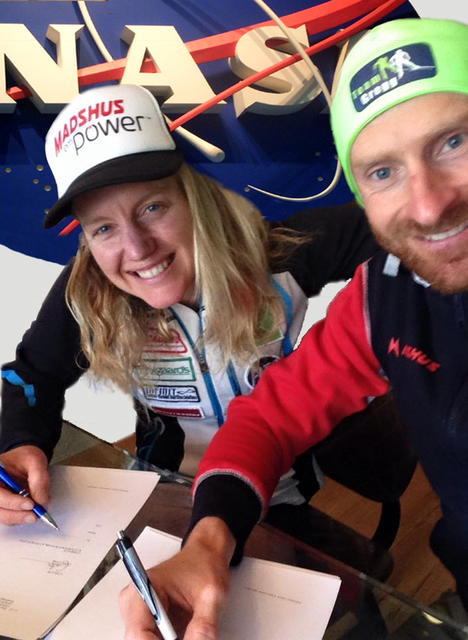
Brian and Caitlin Gregg of Team Gregg have penned an agreement with the National Aeronautics and Space Administration (NASA) to conduct a series of training blocks at zero gravity. Extensive research has been completed on the benefits of high-altitude training, but very little is known about the effects of space on endurance performance.
“We have found success with blocks of training at altitude and when the opportunity to explore a partnership with NASA came up we decided to look in to it,” Caitlin said. “We both have always wanted to travel to space. Although, we still have a lot of steps to take before the trip to the International Space Station (ISS).”
The ISS orbits about 200-250 miles above the earth and at that altitude, Earth’s gravity is about 90 percent of what it is on the planet’s surface.
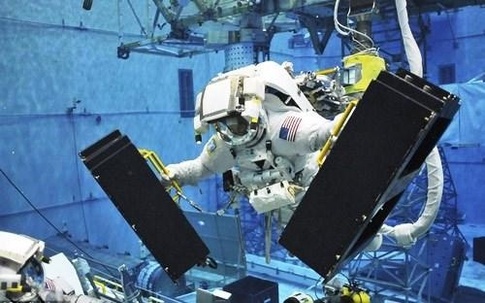
The Greggs were reached in Florida, where they are conducting initial testing and training with the astronauts in their specialized pool, which simulates micro gravity.
“The pool is really quite a strange feeling,” Caitlin explained. “The greatest challenge will be not losing too much speed, since all movements are so slow.”
“Water is relatively dense fluid and is available in huge quantity, so we can simulate microgravity in a pool by putting an astronaut into a suit and adjusting that suit’s weight until it neither floats nor sinks — making it neutrally buoyant,” explained resident scientist Kumar Harshit. “Once neutral buoyancy is established all the objects can move freely as in micro-gravitational field. The pool used to train astronauts for spacewalk at ISS, is 202 feet long, 101 feet wide, and 40 feet deep. Equipment which have higher density are covered by Styrofoam.”
Brian is of particular interest for NASA in this endeavor as he is a twin. His brother Chad will be monitored before, after, and during the study to help quantify the effects of space on the body.
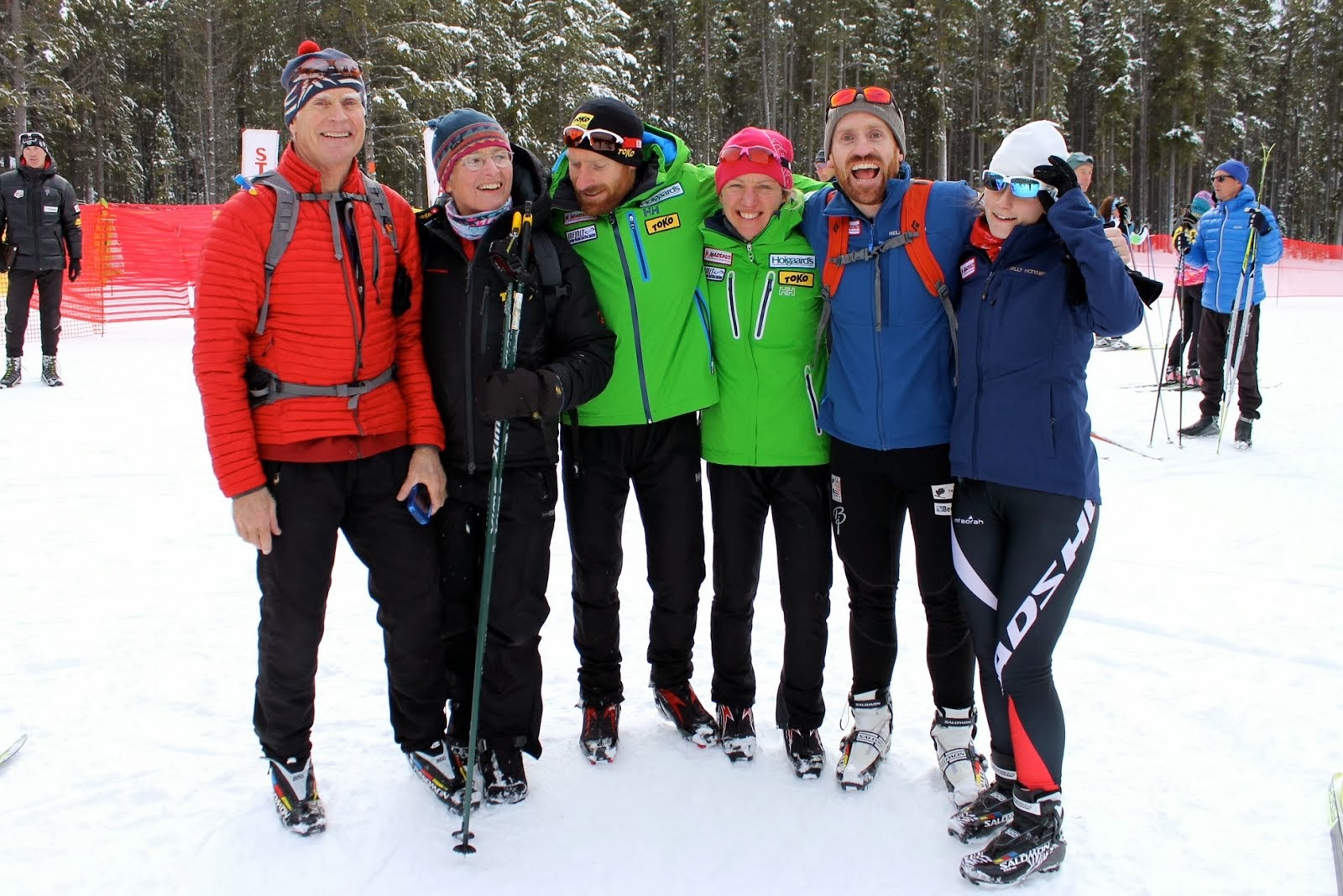
“Concept2 has actually designed a specialized travel SkiErg that we will be bringing with us to the space station for our training,” Brian said.