Warning: This review contains lengthy passages of unrestrained gushing.
_GR-AX155.jpg)
Is it possible that the best movie ever made about cross-country skiing doesn’t have a single scene which was filmed on snow? The answer is a decided yes. Because that movie is “A to B Roller Ski,” and it shatters the ceiling for what a movie about cross-country skiing can be.
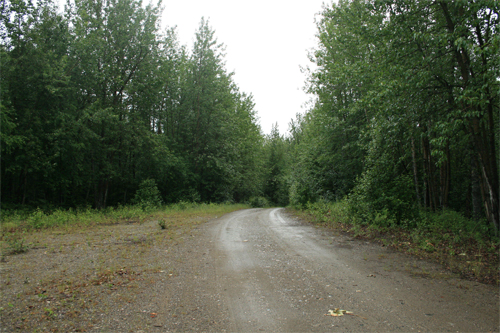
Moving, inspiring, authentic, pure, poetic, and beautiful, ‘A to B Roller Ski’ tells the story of Latvian born biathlete Raimonds Dombrovskis who in 1988 decided that after his Olympic biathlon dreams had ended due to a life threatening illness, it would be a good adventure to roller ski from Inuvik, Canada— near the Arctic Circle— to Baja, Mexico— a journey of 4,200 miles which took 90 days. Why? Well, “because everyone goes across the continent” he says in the movie. This incredible and crazy true story is a cinematic marvel which like a well-aged fine wine could only have been accomplished with decades of commitment. The movie has been out for years for viewing at film festivals. But now, it’s available for streaming on Amazon.
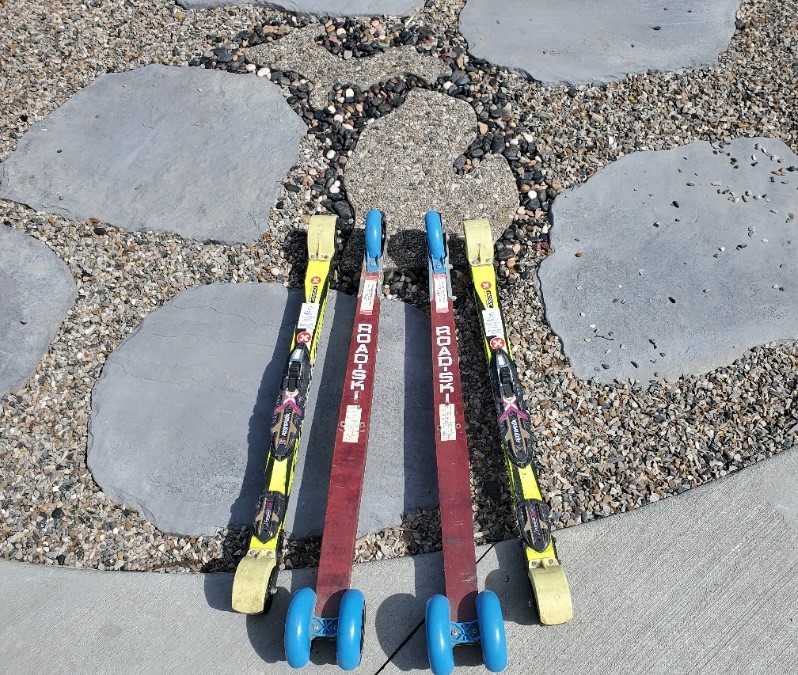
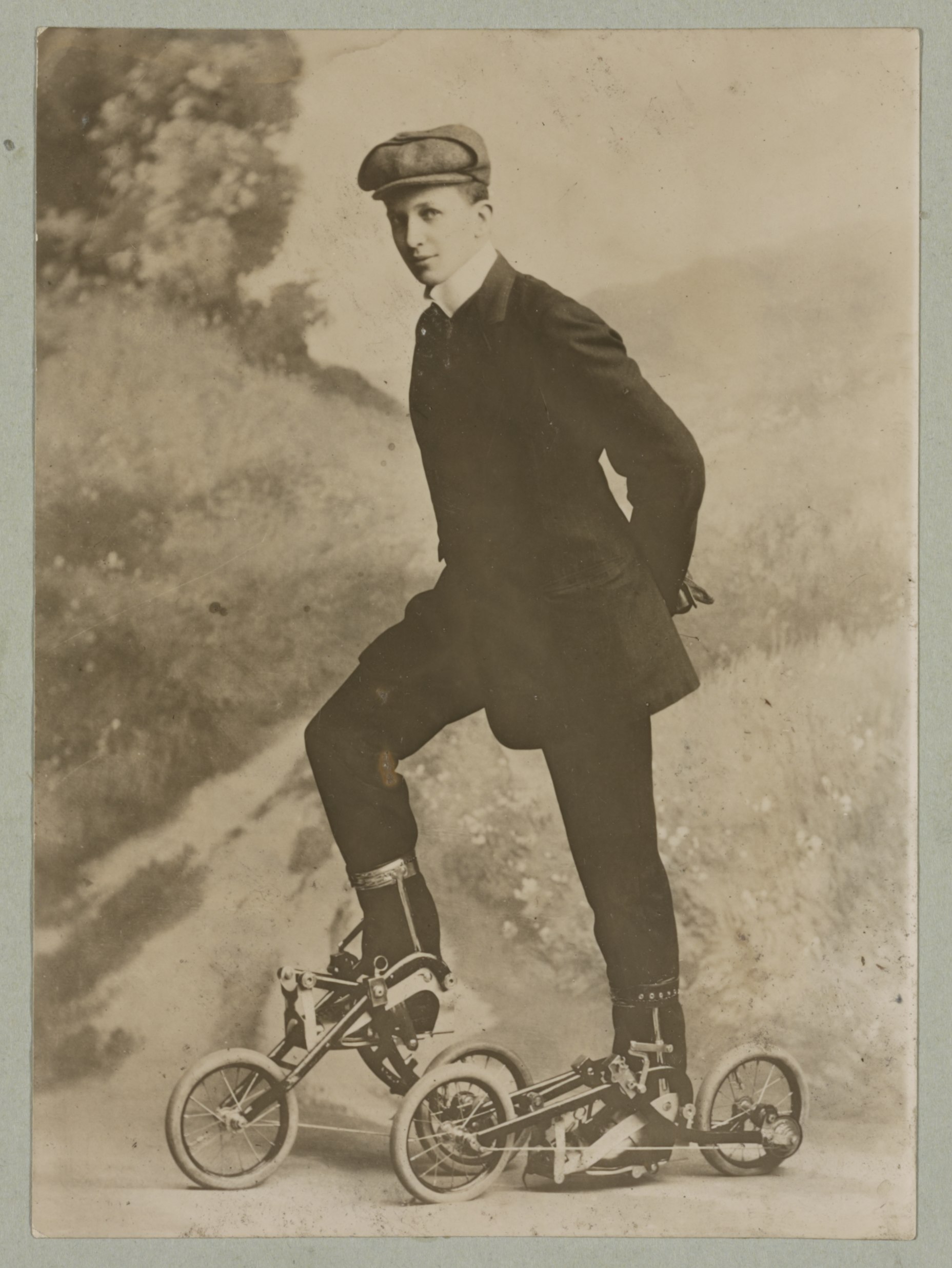
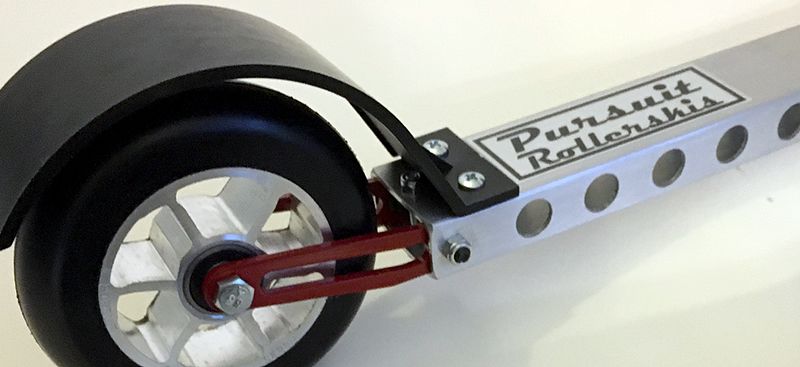
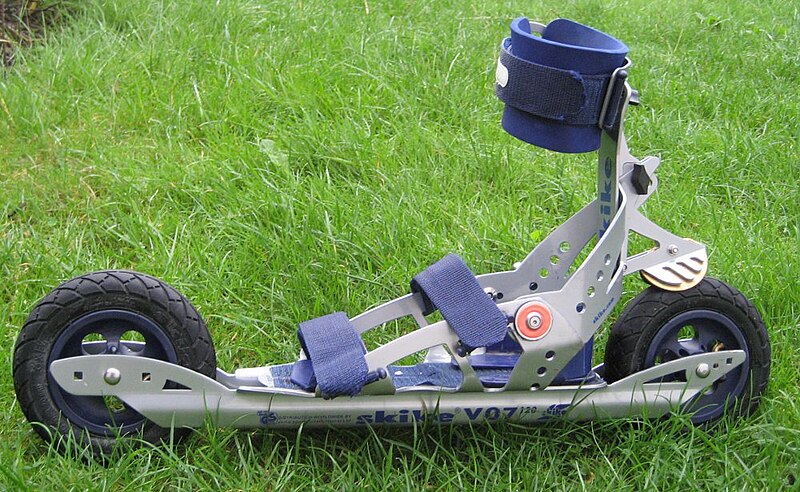
The concept behind the movie’s narrative is pure folly. Who in any sane mental state would even consider such a journey? From the baseball-size stone filled roads of the Alaska Highway, to the Rocky Mountains, to the deserts of Arizona, Dombrovskis and his faithful canine companion, Bucis, soldiered on and completed a journey that not only seemed impossible, but also seemed likely to end up with a dead protagonist. Remember, this original journey occurred in the late 1980s, on roller skis which were nothing like the ones we have today. There were no heel brakes or speed reducers. Shafts were either aluminum or wood. I had the exact pair of the skis, boots, and bindings that Dombrovskis used for a large part of his trip, and I can tell you from first hand experience that, even on the paved trail at my local park, they were nerve racking. Going down mountain passes on these is unimaginable.
The photography is remarkable. There is old footage of the journey from 1988, which given the technology of the time, a handheld VHS camera; and the limited budget—almost none— is beautifully crafted and technically well executed. The photography is perfectly mated with an evocative sound track, and the combination works wonders. There are contemporary interviews seamlessly interwoven into the original footage, which is also nicely crafted. Both the old and new photography help move the story along, and in a 1:38 minute movie, there is never a dull spot.
The vintage videos of biathletes racing in the Classic technique are enough to make one hope that the IBU (International Biathlon Union) mandates a couple of Classic races a year; just for aesthetics alone.
The movie is told against the backdrop of Dombrovskis’ emigration from Latvia to America, the end of his Olympic dreams, and the folly of trying to do something so outrageous that you would think it was surely a joke.
One of the more striking things about the journey is Dombrovskis’ obvious interest in the people he met along the way. Many of them may have been skeptical of him at first, but he’s the kind of guy who makes friends easily, which unquestionably helped him complete this odyssey.