By Charlie Cobb
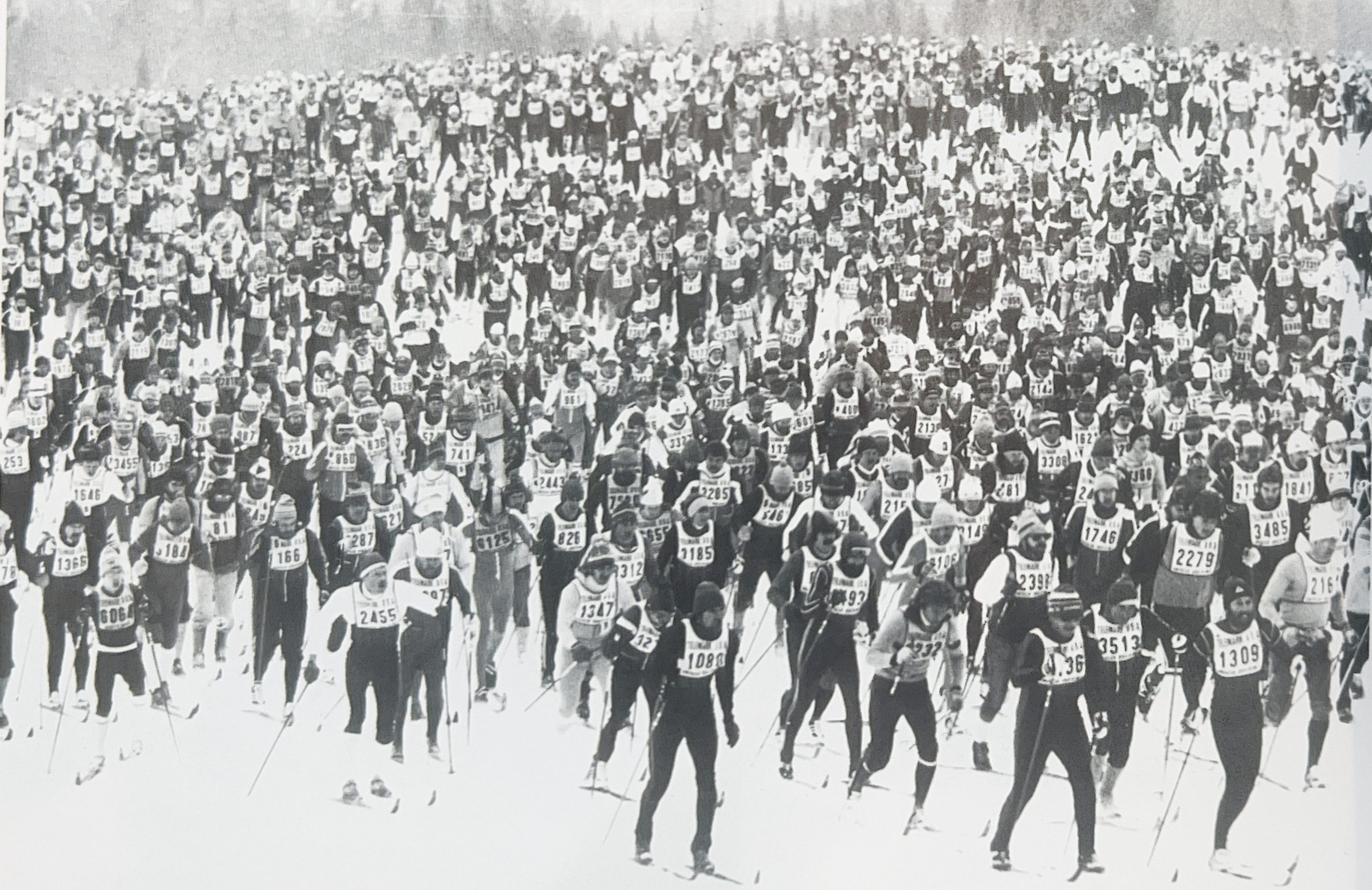
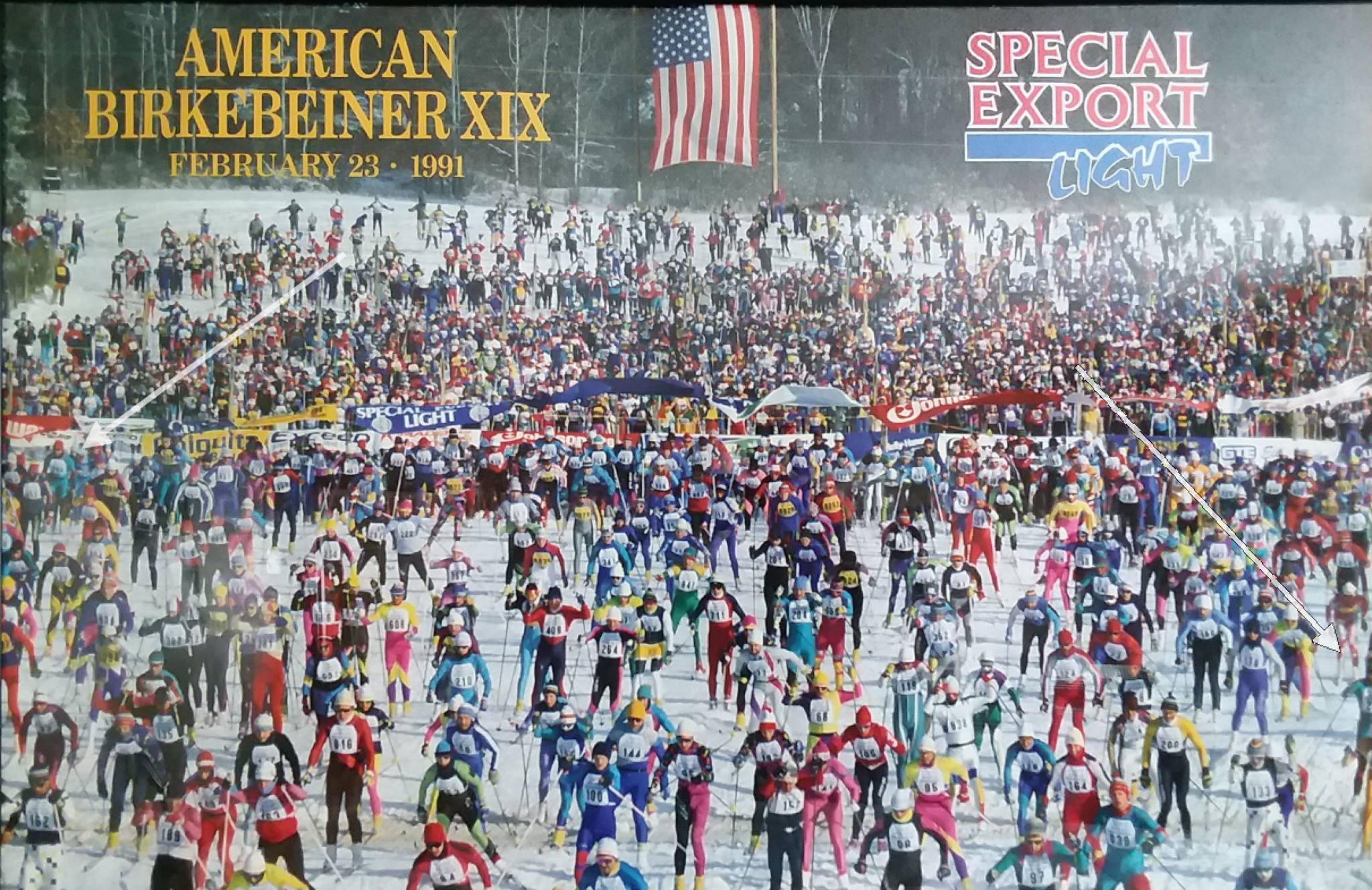
Months ago, I drove seven hours to Boston’s Logan Airport, boarded a plane to Minneapolis, drove 3.5 hours to Wisconsin to ski 1 hour and 19 minutes: my first American Birkebeiner. I have done a lot of ski races in my life, but the Birkie was truly unique. Like many in the American nordic ski community, I was still riding the high of seeing (through my laptop screen) both a male and a female distance podium on the same day on home snow. It felt like a true watershed moment: after so many years of striving, the US has now become one of the top nations in nordic skiing. The fact that many of these same American World Cup skiers would be sticking around to race the Birkie—on the same course that I and thousands of other citizen racers would be racing—only added to my excitement and further underscored the strength and connectedness of the American nordic ski community. Though I wasn’t at the Minneapolis World Cup, I was excited to see some World Cup skiers race the Birkie.
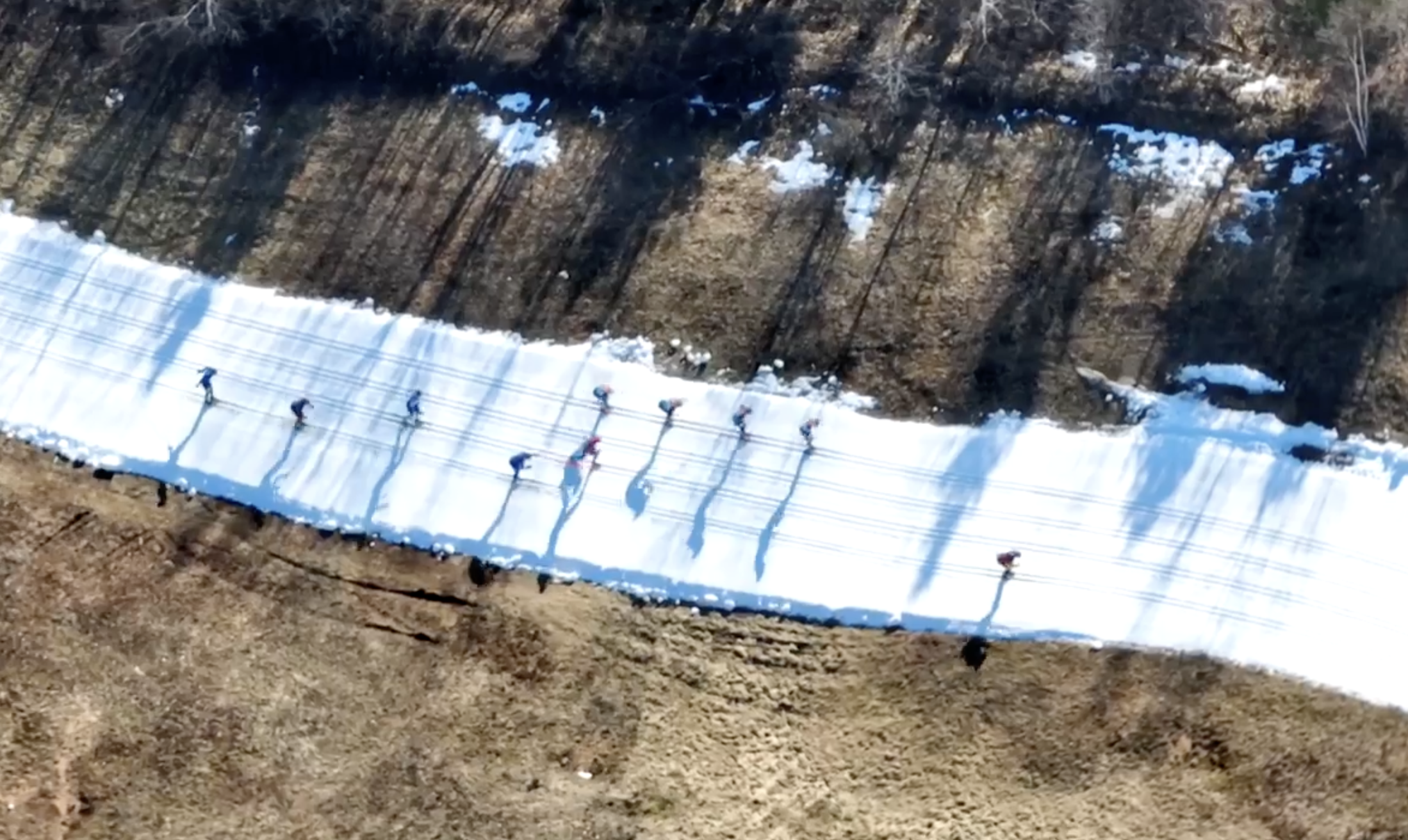
The 2024 Birkie was also unique because of the weather. What was typically a 55km point to point race winding through the woods had been reduced to a 10km ribbon of man-made snow winding over barren brown grass during one of the warmest, driest winters the midwest has ever seen. Despite this, people turned out in droves. I don’t know the final count of the race, but I estimate that there were over 5000 people who raced over the course of five days, and probably at least 1000 on Saturday alone.
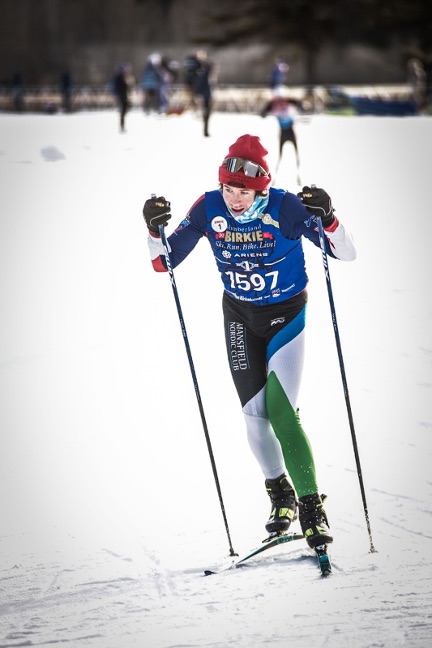
My race was anything but normal. I was racing on borrowed skis, got to the start a little on the later side, basically had no warm-up, and started well towards the back of the start queue. I spent the first six kilometers of the race working through a crowd to make my way up to the front of the field. Eventually, I got to the front, and realized that I felt good enough to break away and see if I couldn’t bridge up to the next skier in front of me. As it turned out, I couldn’t, but I felt good enough to hold off the pack behind me, and really had so much fun skiing on fast snow on a beautiful day. As a true New Englander, I’ve skied a lot of manmade snow loops in my life, but to have 10km laid out in a flowy rolling loop was pretty spectacular. It really made for great racing; however, the biggest highlight for me was the whole spectacle of the event. Spectators turned out for my race despite the 7am, 11 degree F start. By the time the elite wave started, there must have been over 1000 spectators. Many stuck around to watch hundreds more skiers take to the course for waves 3-10 later that afternoon. The whole thing felt a little like a giant nordic ski party, complete with beer, brats, lycra, and a sauna. It was awesome.
The Monday after the race I flew out of Minneapolis where the high temperature for the day had risen to 65 F. As I walked around the city before my flight, I couldn’t help but wonder about the future. Are 60-degree days in February and manmade ribbons of snow over bare ground the future of the sport? If the Birkie is 50 now, will it make it to 100? What will the Birkie look like for the kids who watched the Minneapolis World Cup last weekend?
In the past, I’ve felt guilty that one of the major reasons I care about climate change is to save my favorite sport. When so many have, and will continue to lose homes and loved ones to the climate crisis, my potential loss of cross country skiing seems so trivial; however, I now see that for myself and all those who have participated in the Birkie, or watched the Minneapolis World Cup, or been to the New England Bill Koch Festival, skiing is so much more than a sport. It’s an expression of true joy. It’s something we do with our friends and family. It’s part of our culture and identity. It’s something we look forward to every year because nothing quite compares to the feeling of skate skiing on a fast, icy day, or classic striding in firm tracks with extra blue kick wax. It’s the best feeling in the world; is that not worth preserving? Is preserving the things that make us happy, the things that make life worth living, not as important as preserving the basic necessities?