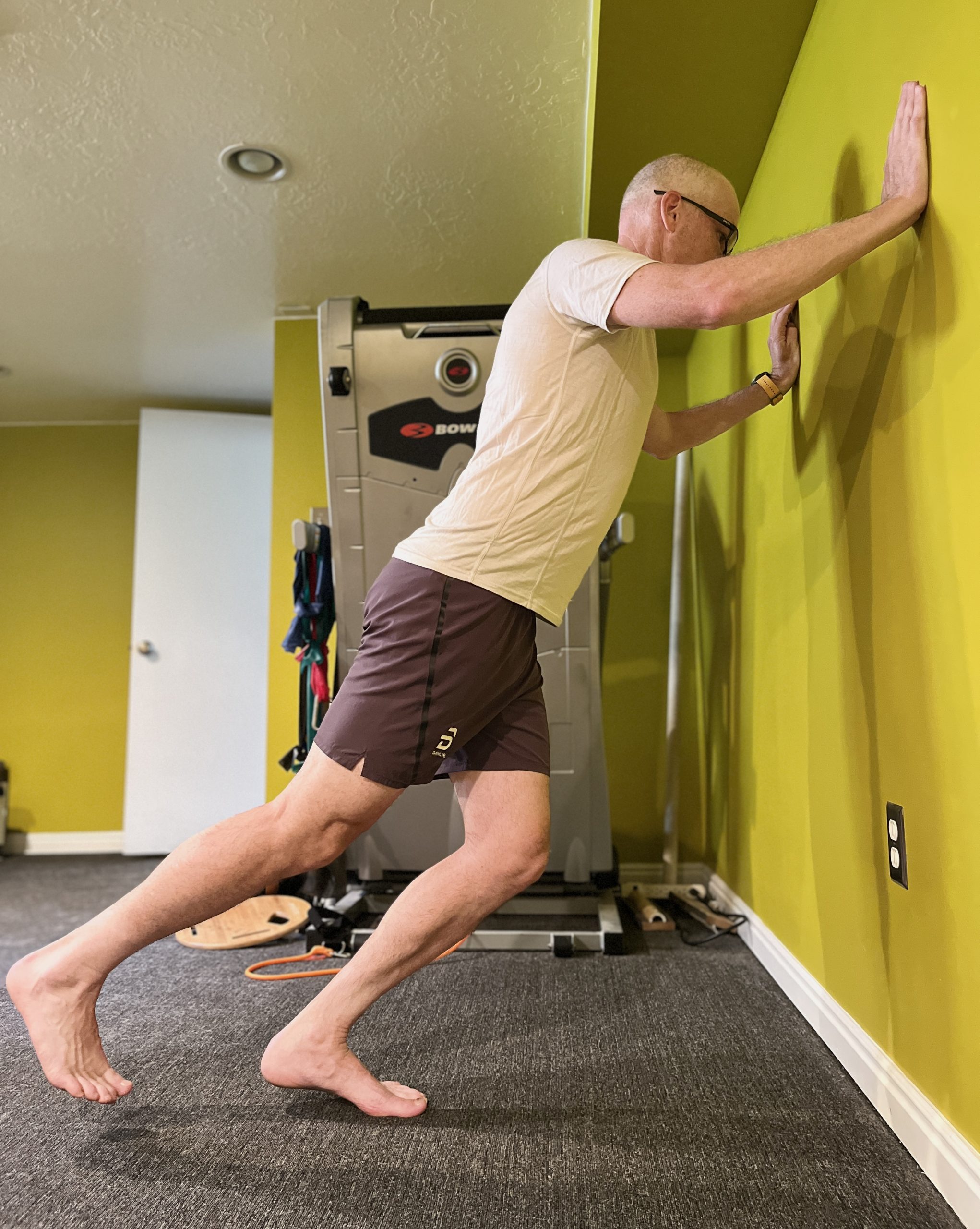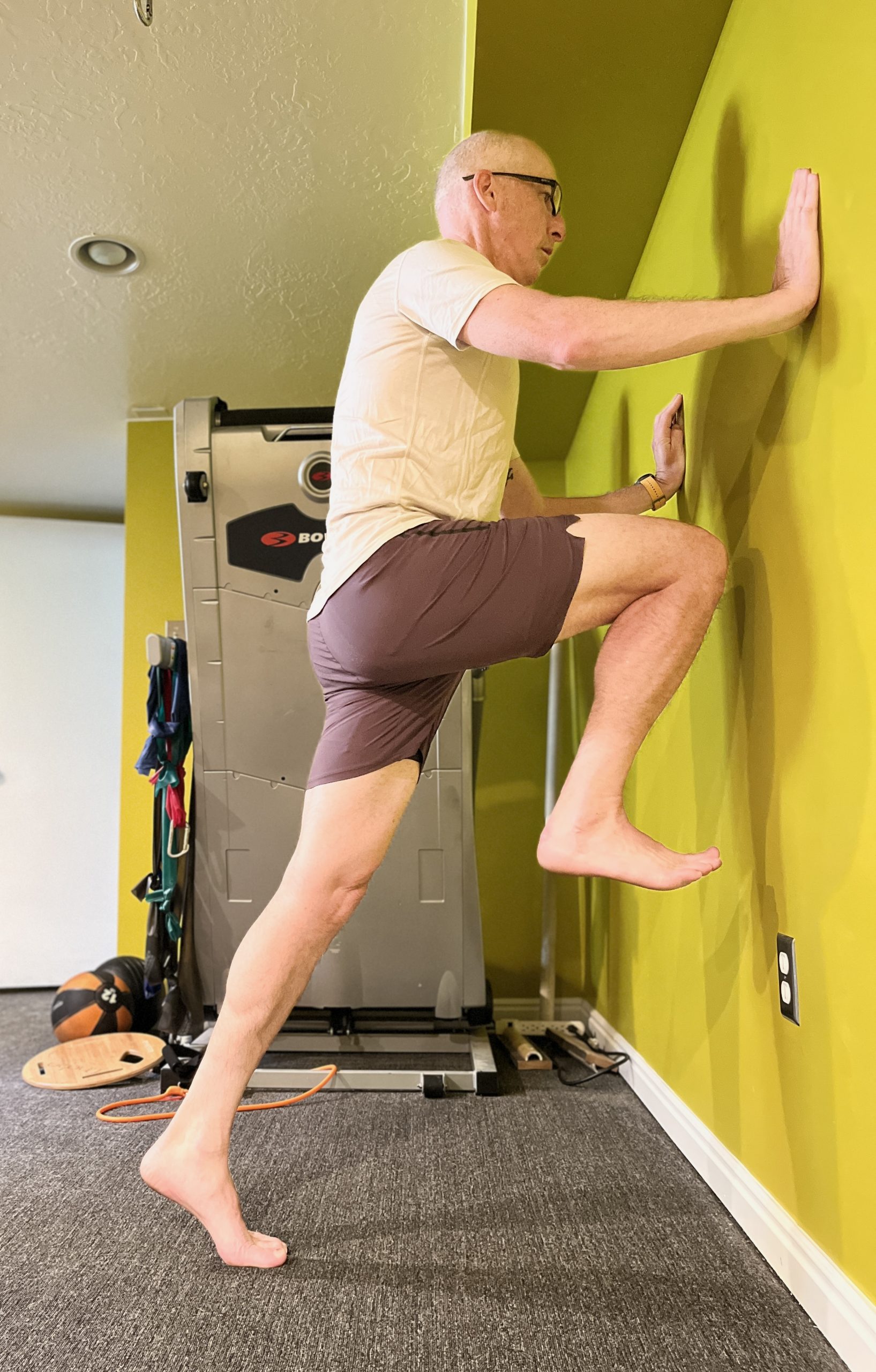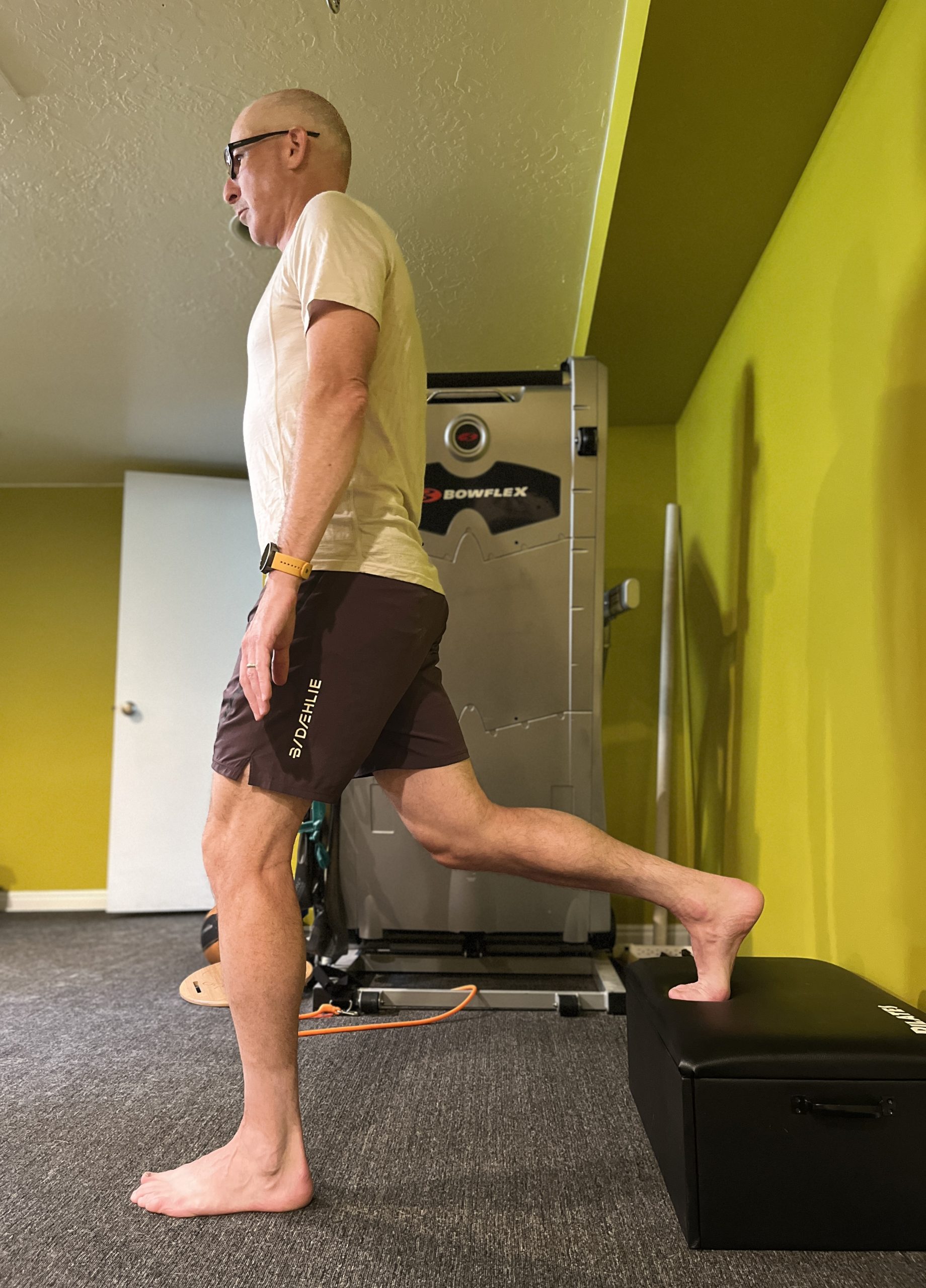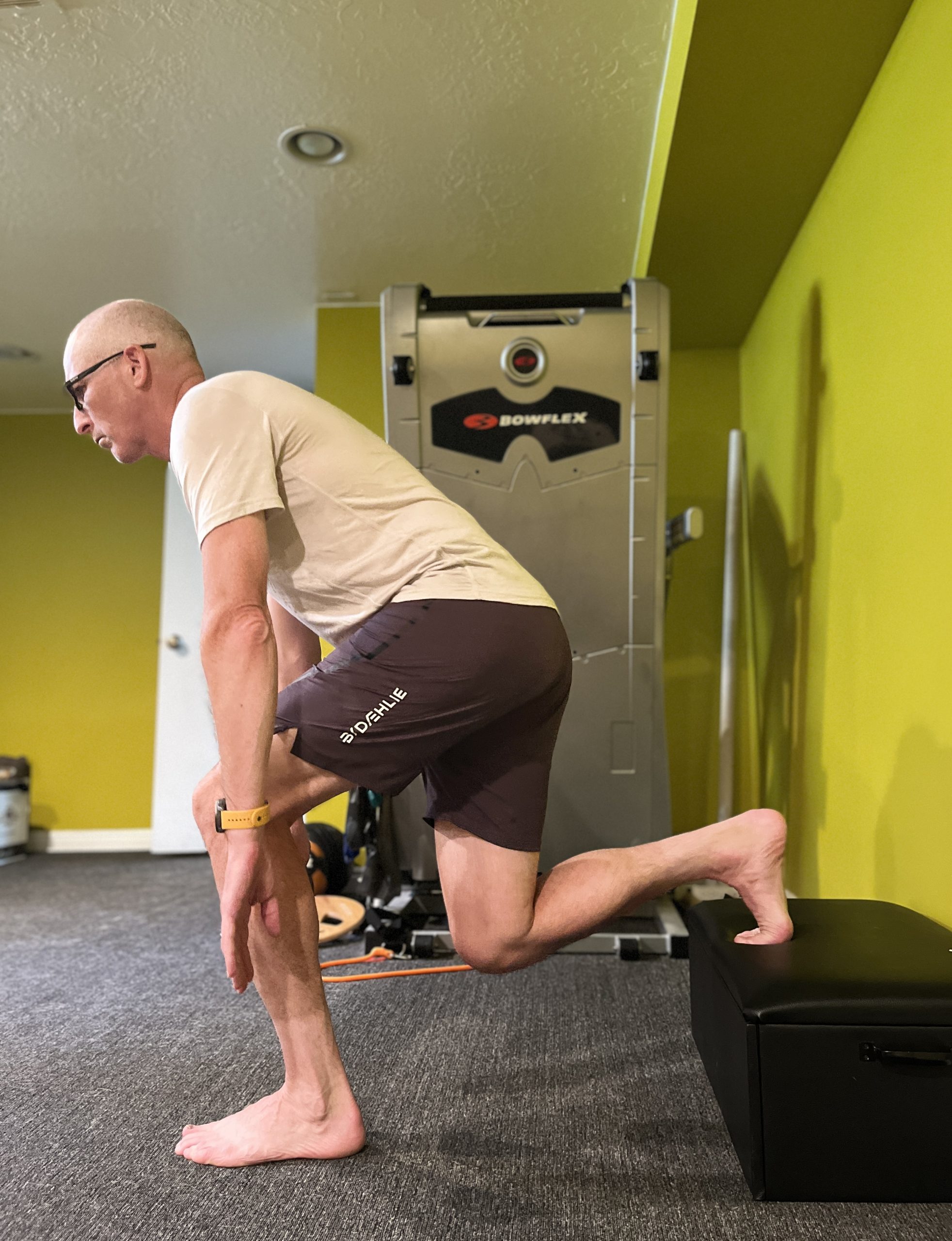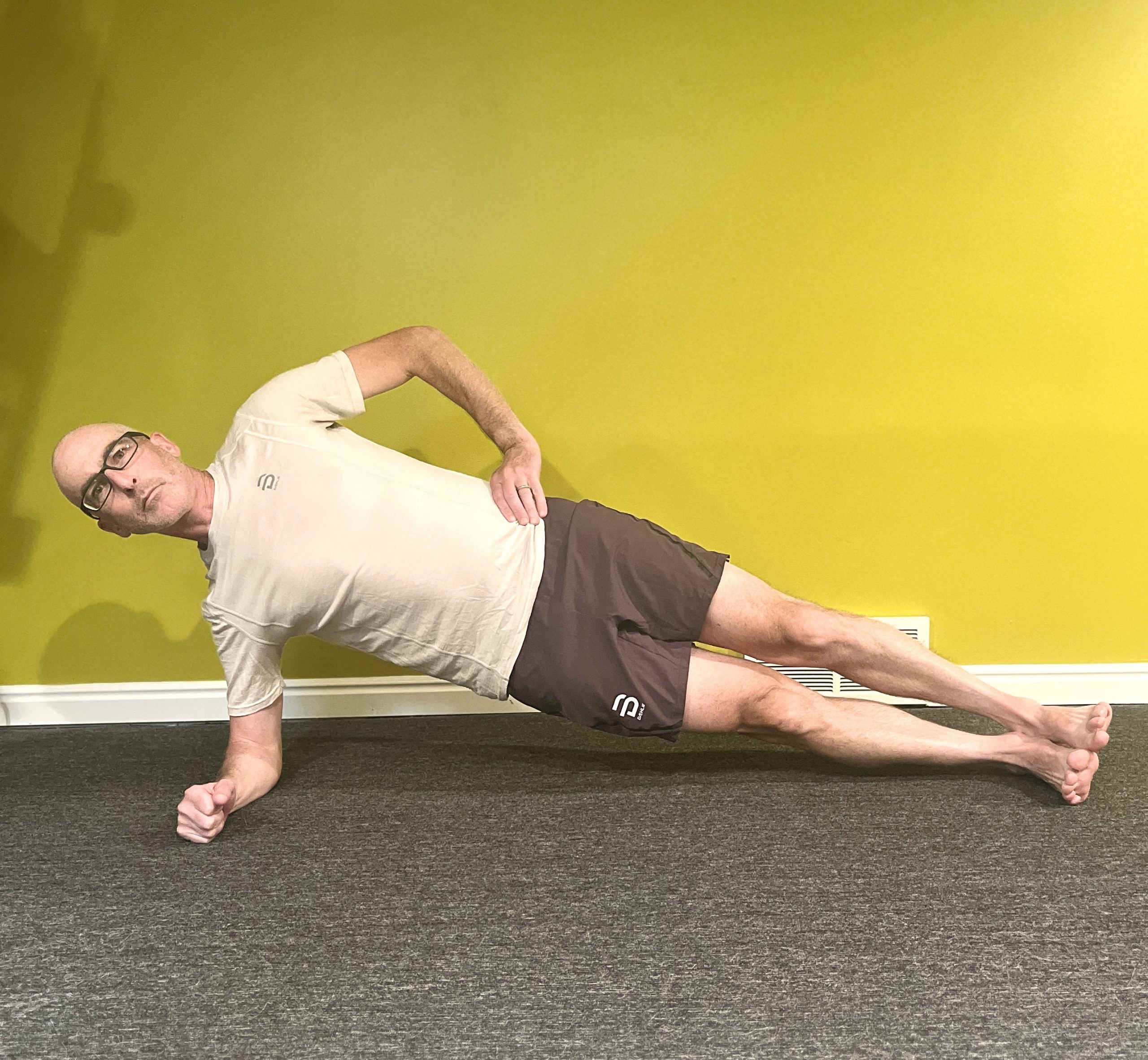
For better or worse the old cliche, ski racers are made in the summer still applies. Cross country runners are made in the summer too. Conveniently, running is excellent training for skiers and obviously runners. Inconveniently, there tend to be a lot of injuries associated with running. And even more inconveniently, we don’t have a ton of research to tell us why or what to do about it.
The clearest correlation to running related injury appears to be training error, which is estimated to account for 60-70% of injuries. But less clear, as this paper digs into, is which variable is most at play: volume, duration, frequency, or intensity? In an attempt to quantify “training error” and provide some guidelines, we have what’s come to be known as the 10% rule. The basic premise here is that you shouldn’t increase your weekly running volume by more than 10% over the previous week. But the 1st rule about rules is that there are no rules. So, this is more guidance than gospel.

What might be closer to a rule is that injuries happen when the load that’s placed on the body exceeds the body’s ability to tolerate that load. In this equation, we can modify load via training parameters like the variables that the article above attempted to dissect: weekly volume, duration of runs, frequency of runs, and intensity (speed and/or elevation gain and loss). We might further modify running load via surface (pavement vs dirt), footwear quality, and running form (more on that in a minute). On the other side of the equation, we can modify the body’s ability to tolerate load via exercise and preparation for the demands of running (much more on that in a few minutes).
Just like there is no perfect skiing technique, there is no perfect running form. However, in both sports we do have an optimal range, and when movement patterns fall outside of that range they become inefficient. Decreased efficiency equals both decreased performance and increased load, neither of which are desirable. Inconveniently (again), it’s very hard to define what proper running form looks like. It’s maybe easier to define what it doesn’t or shouldn’t look like. Even then, there are only a handful of moderate correlations between aberrant running form and injury.
At the top of the list is overstriding, aka landing with your foot well out in front of your body’s center of mass. (This is not to be confused with heel striking—landing with initial foot contact through your heel as opposed to mid foot or forefoot. Heel striking isn’t necessarily overstriding though most overstriding does tend to be characterized by heel striking.) The primary issues with overstriding are an increase in peak/impact forces and a decrease in control of the knee, both of which are going to increase load on the body. Without diving too deep into the rabbit hole, the best way to correct an overstride is to increase the cadence or steps per minute—more steps at the same speed equals a shorter stride length. To train this, you need to be on a treadmill at a fixed speed (if you try to increase your cadence outside, you’ll likely just run faster) with your steps timed to the rhythm of a metronome. The target is to increase your steps per minute by 10%, which has been shown to effectively decrease loading rates.

Next up is a lack of pelvic control or what’s often called hip drop or femoral adduction. This occurs when the muscles of the stance leg are overwhelmed and unable to control the hip, and therefore the pelvis. As a result the pelvis drops on the opposite side, altering knee kinematics in the process, and frequently causing knee pain. We look to correct this through exercises targeting hip strength, coordination, and control as well and balance and stability in single leg stance. Conveniently (finally), this would be all of our ski-specific dryland exercises and drills. If you are a FasterSkier regular, then you’ve already seen numerous exercise suggestions here, here, here, here, and here, all of which are quite appropriate for running injury prevention.
That’s a great segue into the other side of the equation: the body’s ability to tolerate load. To paraphrase Geoff Burns, PhD from a recent Science of Sport podcast on running biomechanics, It’s not any one component—joint or muscle—that correlates with injury or performance, but how the system behaves as a whole. We must behave like pogo sticks. More force in equals more force out. But the body must be able to withstand these forces and be able to direct them appropriately.

Essentially, Dr Burns is saying that running is an inherently high load activity and the body must be adequately prepared (strength, stability, mobility, etc) to handle these loads. Despite Instagram posts proclaiming Five Exercises Every Runner MUST Do! there is no magic exercise. I literally asked three different colleagues, all running injury specialists, What are your top three exercises for preventing running injuries? Inconveniently (here we go again), I got three different answers.