Key Betting Options and Strategies
Betting on cross-country skiing includes several options, each offering different levels of risk and reward. The most straightforward of these is the “outright winner” bet, where one wagers on a skier or team to take first place in a specific race or event. While this bet offers higher returns, it comes with considerable risk, particularly given the unpredictable nature of the sport and the large number of participants, often nearing 100 competitors per race.
Other betting types that provide a broader safety net include the “podium finish” and “head-to-head” bets. Podium finish bets allow a bettor to wager on whether a specific skier will place in the top three, reducing the risk while lowering the payout. A head-to-head bet, on the other hand, compares the ranking between two athletes during the race, providing a simple win/loss outcome based on which of the two finishes ahead. It’s a popular choice for bettors who wish to focus on a more manageable, two-skiers scenario rather than the full field of competitors.
More niche bets are also present in cross-country skiing, such as “top nationality” bets, which predict the nationality of the winning skier. Additionally, “prop bets” add complexity, allowing wagers on specific outcomes such as the fastest time, individual lap times, or even which skier might lead at various race intervals.
Maximizing Wagering Opportunities with Promotions
Exploring various wagering opportunities can enhance the overall strategy. When placing bets, it is essential to rely not only on informed analyses of athletes’ performances and conditions but also to consider the advantages provided by promotions offered by betting platforms. For instance, many bookmakers introduce competitive offers like odds boosts for major events such as the Winter Olympics or the Tour de Ski, which can greatly increase potential returns. Additionally, new bettors often find value in introductory bonuses that can provide additional funds to place initial wagers. These promotional strategies can be especially beneficial when leveraged in conjunction with thorough research about athletes and event-specific variables.
Moreover, while exploring these options, it’s advisable to compare offerings across several platforms. Each platform might cater to different aspects of sports betting, including sports betting promos that could make a noticeable difference to a bettor’s bankroll. For example, some sites may feature loyalty programs that reward frequent betting, while others might offer cashback on certain wagers. Understanding how to effectively use these promotions can lead to more strategic betting decisions. Analyzing the variety and conditions of these promotions is crucial for bettors aiming to optimize their betting strategy in cross-country skiing events. By doing so, bettors can approach each event with a refined perspective and potentially improve their overall wagering success.
Analyzing Athletes and Race Conditions
Before placing any bets, it is important to scrutinize the performance history and current form of athletes. Cross-country skiing’s long season features the FIS World Cup, where skiers compete across multiple venues and race formats. Recent results in World Cup races can provide indicators of which athletes are in peak condition while also revealing key insights into the possible effects of injuries or seasonal fatigue. Alexander Bolshunov holds a formidable reputation in the sport, having won multiple Crystal Globes. However, his fluctuating health, including surgeries like the jaw operation he received before the 2023 season, introduces performance uncertainty. Bettors could also examine Johannes Høsflot Klæbo’s consistent prowess, particularly in sprint events, to evaluate his potential in specific race formats.
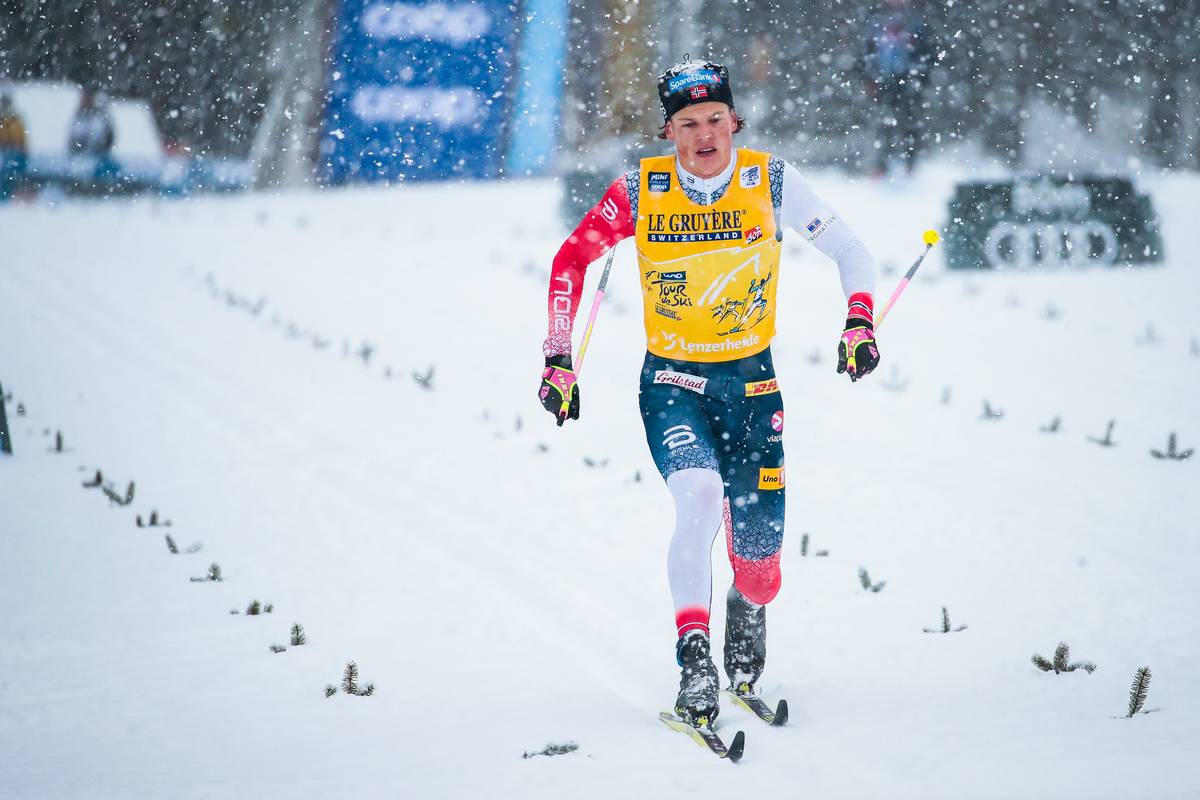
In cross-country skiing, the difference between a podium finish and an average result can often be traced to small but influential factors, the most prominent being course conditions and weather. Bettors need to remain aware of how different athletes perform under varying conditions, such as dense snowfall or extreme temperatures. Athletes who are stronger at particular altitudes or warmer climates, for example, might tend to perform better at races in Southern Europe or lower-altitude venues.