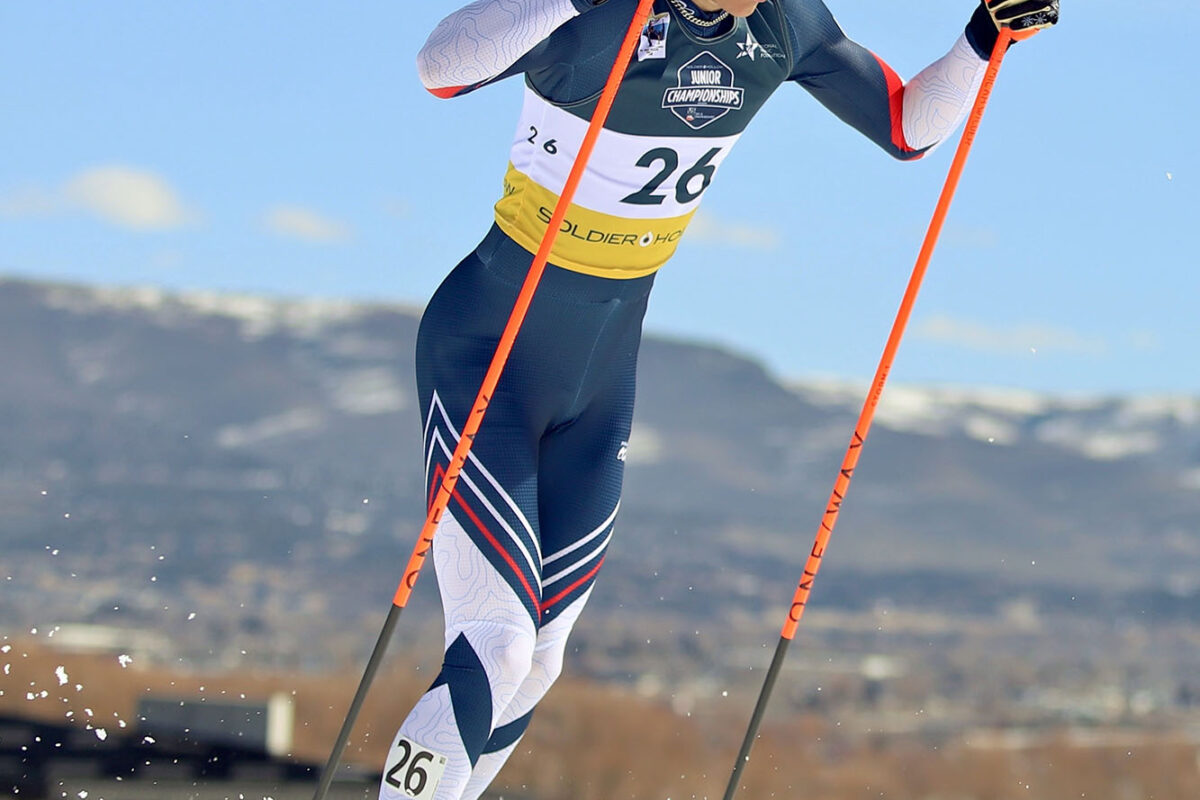

One window of marketing opportunity closed on Beckie Scott because of the 22-month delay in receiving her rightful gold medal for cross-country skiing at the 2002 Winter Olympics. But corporate doors are now wide open because of the qualities she showed in fighting against cheats and pushing the sport bureaucracy to do the right thing, sport marketing agents say.
“An Olympic gold medalist normally has three to six months after the Games to get endorsements that are based on qualities like hard work, dedication and athleticism. But on top of that, Beckie's image will carry the message of integrity, fair play, ethics, persistence,” said Elliott Kerr, the skier's agent at the Landmark Sports Group.
“We've seen so many examples that we point to and say 'that's what's wrong with sport.' You look at Beckie and what she did and it says 'that's everything that's right about sport.' She's bringing us back to what sport was meant to be.”
The international Court of Arbitration for Sport ruled on Thursday that Scott should get the 2002 Olympic cross-country pursuit gold medal, telling the International Olympic Committee it erred in letting Russia's Olga Danilova keep the gold medal for the pursuit. Danilova was discovered to be using darbepoietin, a blood booster, after a later race and the Canadian and Norwegian Olympic Committees, plus Scott and several Norwegian skiers argued it was contrary to the Olympic Charter to allow a cheat to keep anything won at the Games.
, figure skaters Jamie Salé and David Pelletier, hockey players and short-track speed skaters.</p>
<p>But this week, Scott has the spotlight to herself on the World Cup circuit, fuelled by her own version of a performance enhancing substance — gold. “I've never gone into a race as an Olympic champion before,” she said.</p>
<p>While Scott is destined to be known as Ms. Fair Play, the image shouldn't be construed as holier than thou, Kerr said. Indeed, Scott doesn't look down on the two drugged Russians who beat her to the finish line in Salt Lake City, Danilova and Laraissa Lazutina.</p>
<p>“I haven't talked to [Lazutina or Danilova], they both disappeared kind of quickly after the [Olympic] competition, but I have no personal animosity toward those two women,” Scott said.<br />
“The situation in Russia . . . I mean, I would guess those two are coming from quite different socio-economic circumstances than I am, and I can understand the incentive to make a better life for themselves. I fault more the federations who encourage [doping] and endorse it, and the ski associations who have not provided adequate testing to deter it.”</p>
<p>Cross Country Canada needs to tap into Scott's market magic, too. A source at CCC said yesterday the ski body is planning for Scott's gold medal ceremony to take place in Toronto in the spring. It's home base for the Canadian Olympic Committee, which helped fight the case, and it's the country's financial and media centre. Additional events could take place in Scott’s hometown of Vermilion, Alta., or Calgary, where her original bronze medal was upgraded to silver last summer.</p>
<p>“We want the event in Toronto to try and shake some money out of the corporate community,” the source said. “Despite the high profile we have received since Salt Lake City, we only have one significant corporate sponsor — Haywood Securities. Everyone else we have approached are lukewarm and some won't even return phone calls. Even another $100,000 in sponsorship to CCC could make the difference between podium and also-ran positions in 2006.”</p>
<p>Top cross-country ski countries such as Norway, Finland and Italy have budgets of about $3-million for the sport.<br />
Sport Canada's grant to the CCC totals $710,000, of which $520,000 goes to the national federation, $65,000 to running programs for skiers with disabilities, $70,000 to developmental programs and $55,000 to grassroots participation programs.</p>
</div><span id= "Edit/Preview")