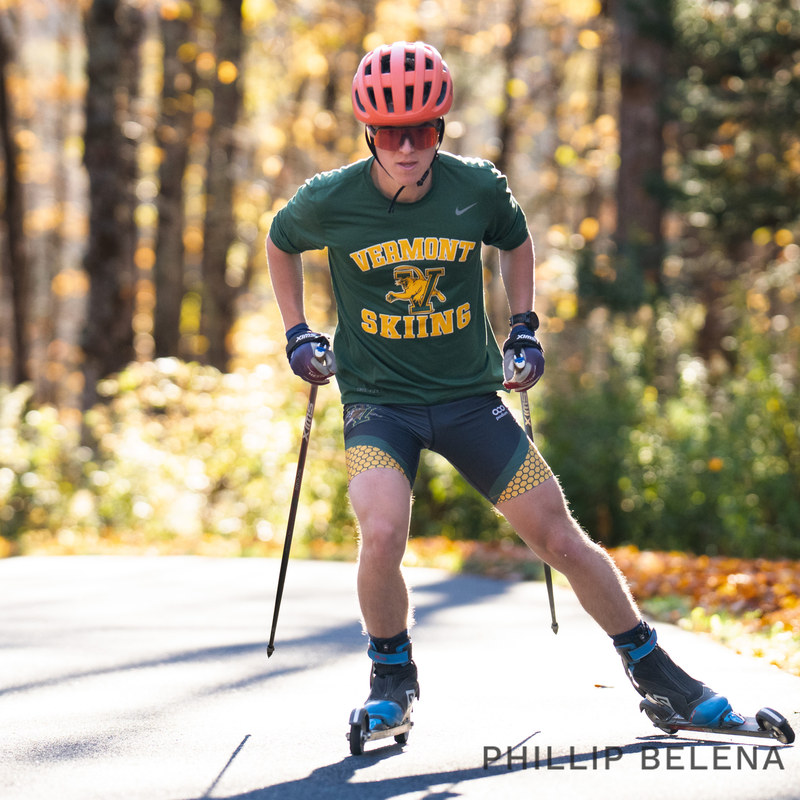

I have in some recent training articles discussed what I consider to be smart (interval) training and following is an example of what could be used as a smart approach for many interval workouts. In short this is: A good but easy warm-up, a conservative effort on the first couple of intervals and then gradually faster and harder.
Some interval sessions should avoid the hard race-type finish and be kept around -30 to -18 beats from max heart rate. Other workouts can be without the easy start and stress the heart at around -20 to -5 from max during all the bouts. No interval session should however show a fading performance curve.
A fading performance curve is shown when you for example run interval #2 in 3 minutes at a hard effort and then you run interval #4 (also at a hard effort) in 3 minutes and 20 seconds – starting and finishing at the same spot.
In other words, be able to at least perform at the level of the first two intervals in your last interval(s). You’re starting (way) too fast if that’s not the case.
. The nutritionist and doctor in me decided to stop at Wendy’s for a chilly and a salad following the workout and to take two Advil’s for my sore muscles that afternoon.</p>
<p>I had pre-session decided to stop at interval 6 or 7 if I could not keep up the pace. The profile of the section I used for the intervals is – the first 1/3 is flat or 1% grade, the remaining 2/3 is gradual uphill. The section is straight with no curves. There are no cars using this road, making skiing down again very easy. The recovery was roughly the same or a little shorter than the interval length, roughly 2 minutes and 30 seconds. </p>
<p><BR><img decoding= "Edit/Preview")