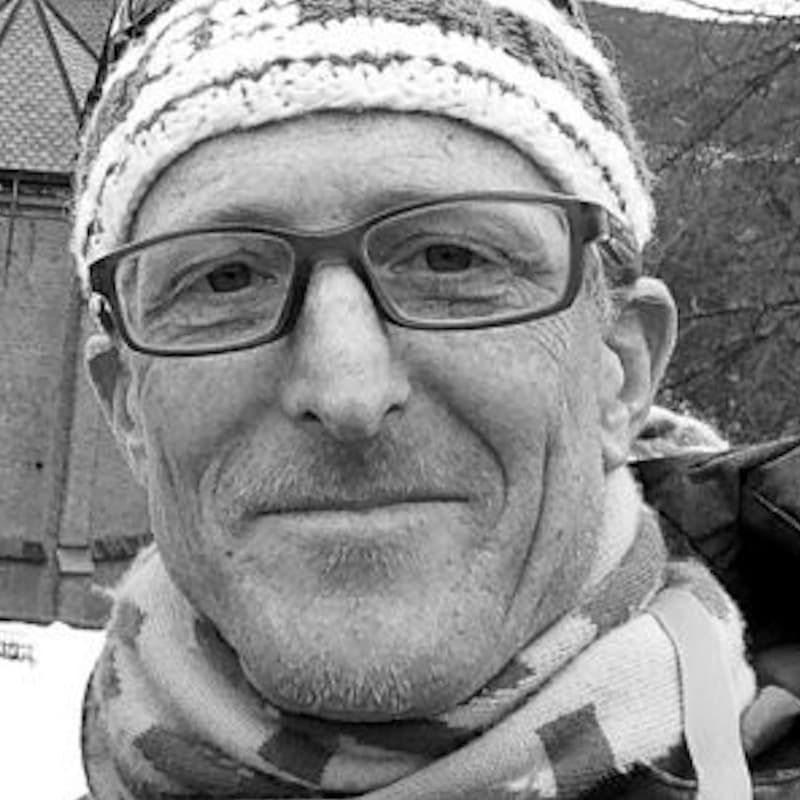
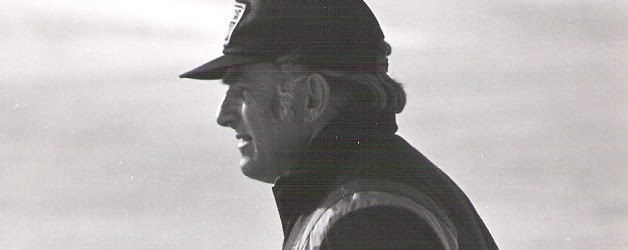
Marty Hall, 78, often needs no introduction. He’s established a canon of strongly worded comments and articles about the past and current state of cross-country ski racing. If there’s an opinion to be had, he’s got one.
Hall was interviewed for the FasterSkier podcast on Nov. 13. We spoke mainly about doping and sport in light of newly released WADA report. That report, The Independent Commission Report #1, was released Nov. 9. The interview was split into two segments; episode 1 and episode 2.
When asked about his first reaction to WADA’s findings about systematic doping in Russian athletics, he seemed torn.
“You know, I read this thing and I said, ‘Holy Cow,’ they got ‘em. They did it the right way,’ ” Hall said. “But you know what I’m worried about? They’ll let them off the hook. Everyone of those son-of-a-biscuits should be cooked. Out. Gone. That’s how I feel.”
Marty Hall on Doping: Episode 1
Hall’s thoughts are based on experience. What may seem reactionary or knee-jerk is grounded in where he’s been and what he’s done. Hall’s relationship with cross-country skiing goes back decades. Having learned to ski as a child in the backwoods of New Hampshire — he move there at the end of World War II from New York City — Hall fell in love with the sport. From pine boards and toe straps, to composites and fluoros, Hall has seen and been a part of it all. He skied for the University of New Hampshire and eventually climbed the coaching ranks, spending a decade with the U.S. Ski Team (1968-1978) in a variety of roles. He led both the women’s and men’s squads and served as head coach. In 1982, he headed north to Canada where he became the Canadian National Team head coach. He remained in that role until 1992.
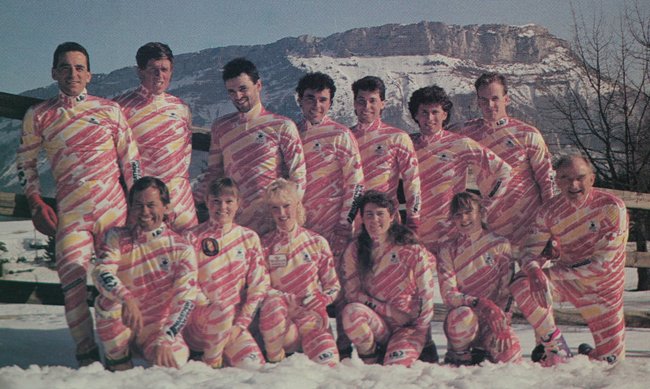
He then helped revolutionize how cross country skiing is viewed in person and on television. When planning the 1995 Thunder Bay World Championships, rather than one long 25-kilometer loop, with skiers away in the woods for long periods, Hall suggested a smaller loop, around 5 k, which would regularly bring athletes through the main stadium. If you enjoy watching today’s easier-to-view international events, Hall had a hand in that.