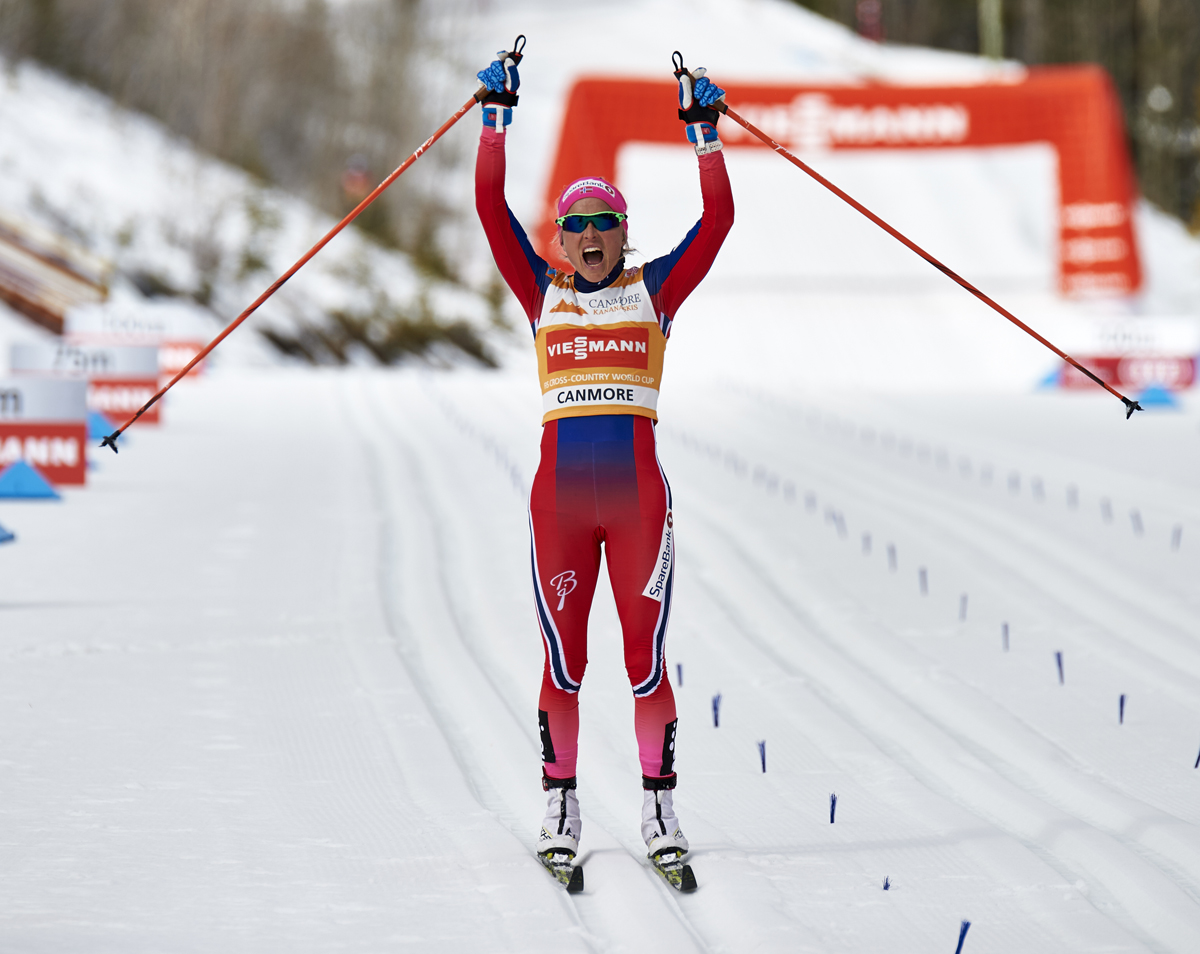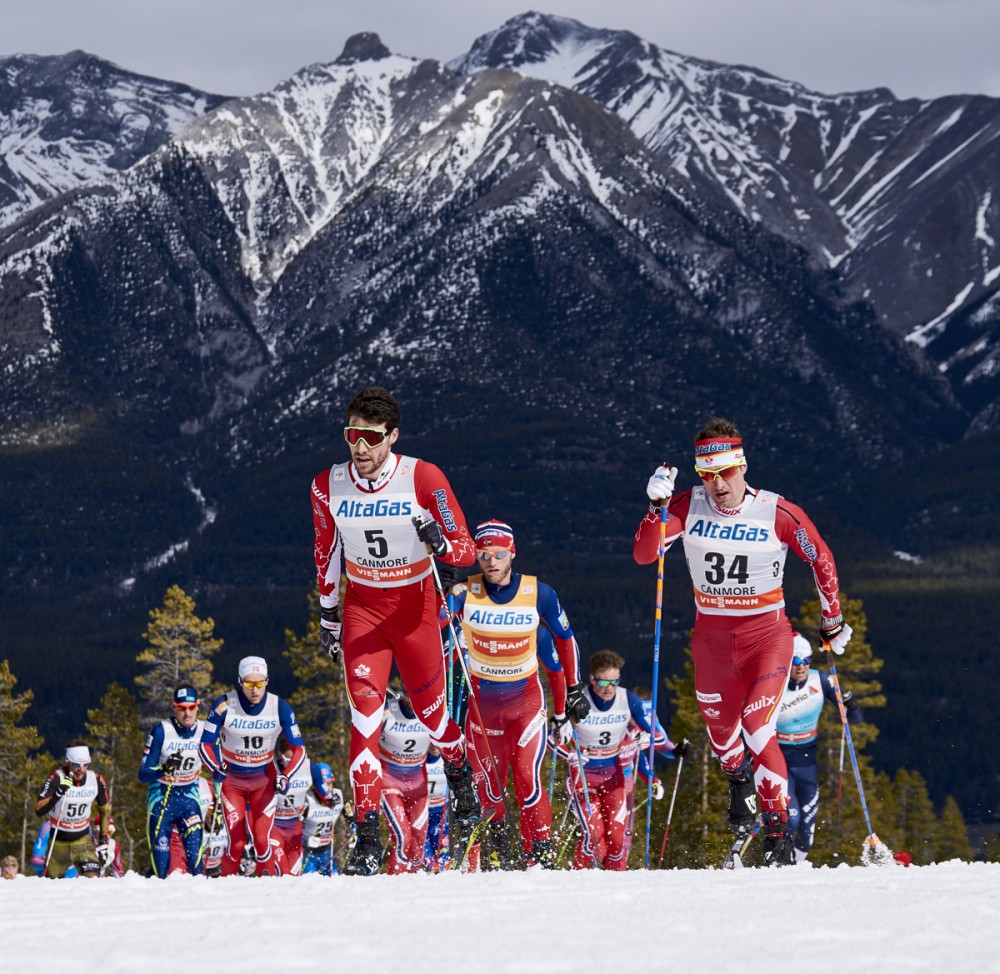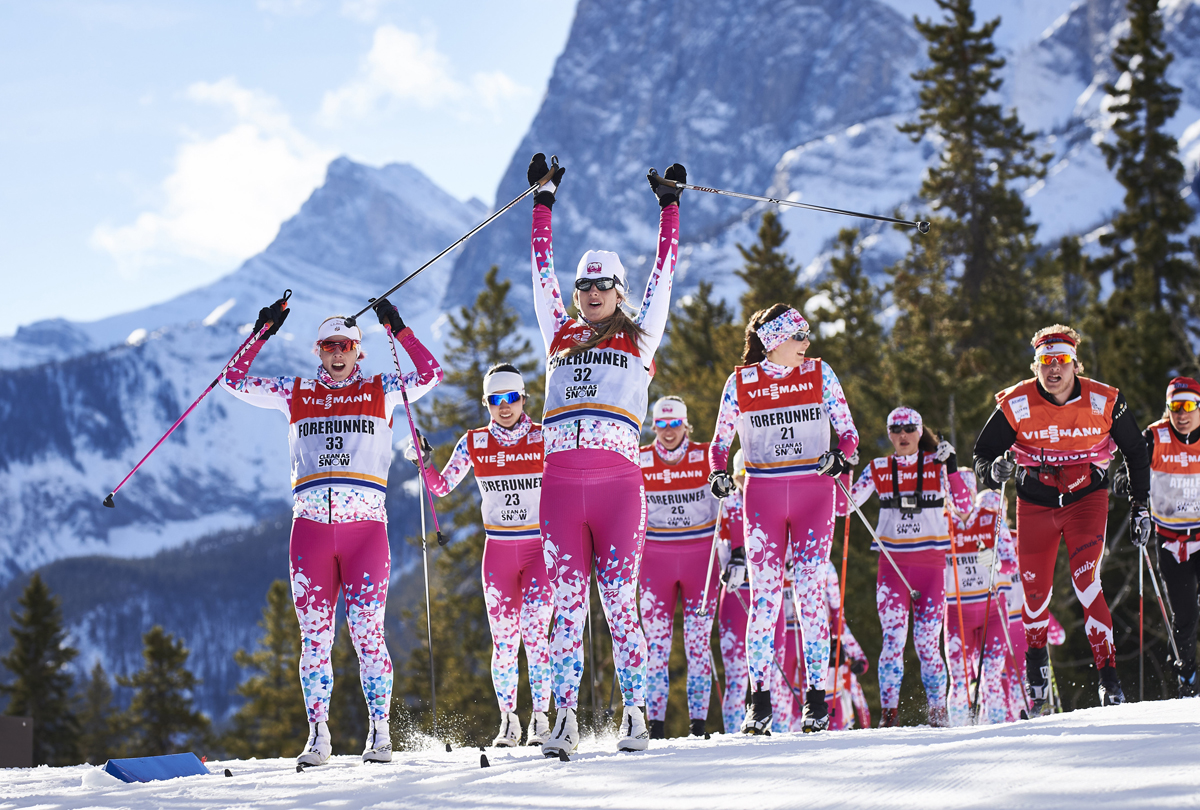
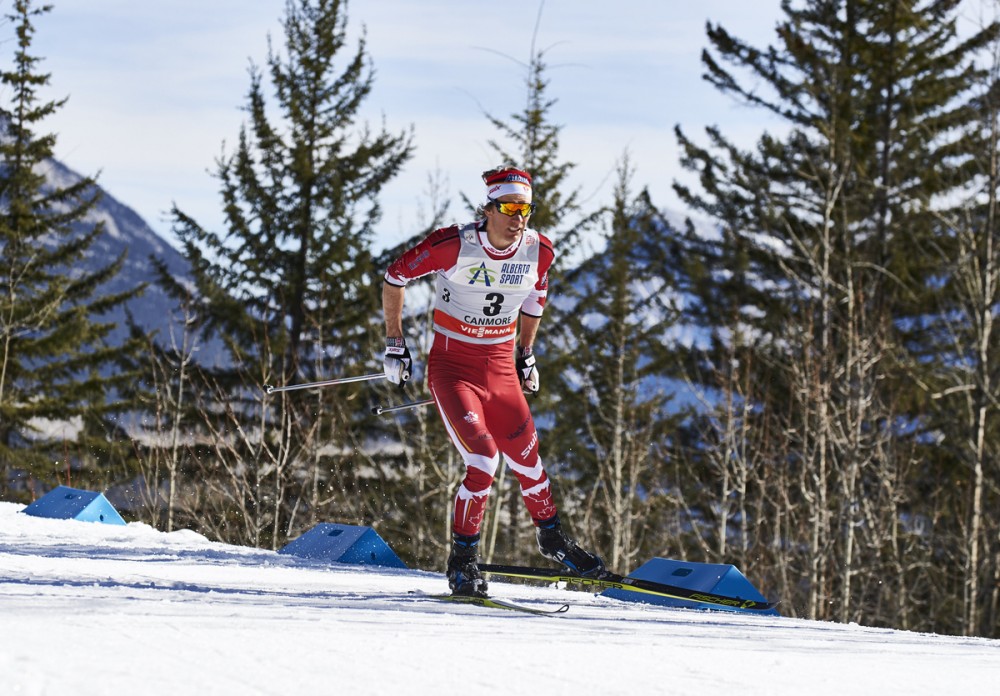
Canmore is one of those places that truly lives up to the hype. Nestled in the Canadian Rockies in southwestern Alberta, the small town with an authentically outdoorsy and Western Canadian vibe is definitely “bucket-list” worthy for anyone who hasn’t visited yet.
Locals say it’s a combination of the scenic backdrop, with jagged peaks on all sides rising around the town and Canmore Nordic Centre Provincial Park, and the community—most everyone here lives and breathes outdoor recreation—that makes it special. It’s also home to the most Olympians per capita of any other place in Canada.
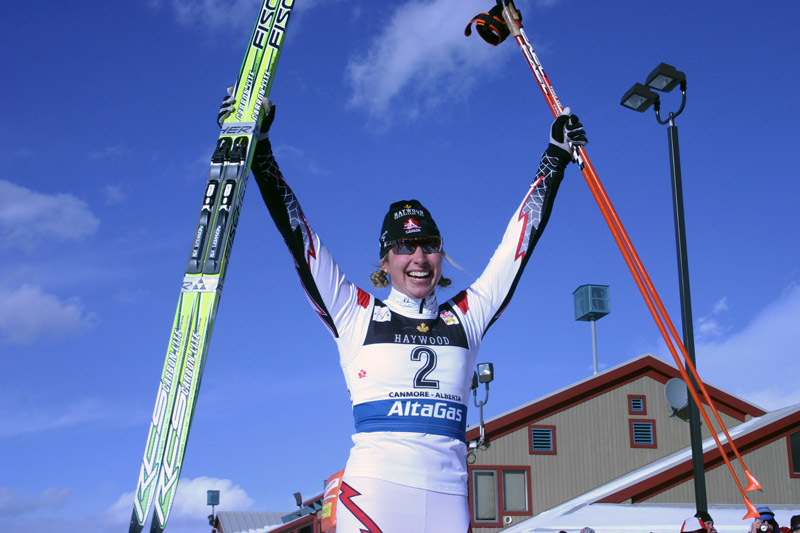
“We have Olympic medalists, including Robin McKeever, Beckie Scott, and Chandra Crawford, living in Canmore, so we are so thrilled when we have even more World Cup athletes coming to join us,” Tourism Canmore Kananaskis CEO Rachel Ludwig said of Canmore’s upcoming International Ski Federation (FIS) Cross Country World Cup from Feb. 9-13.
It marks the first Cross Country World Cup in Canmore in eight years after the 2020 event was canceled a week before due to the pandemic.
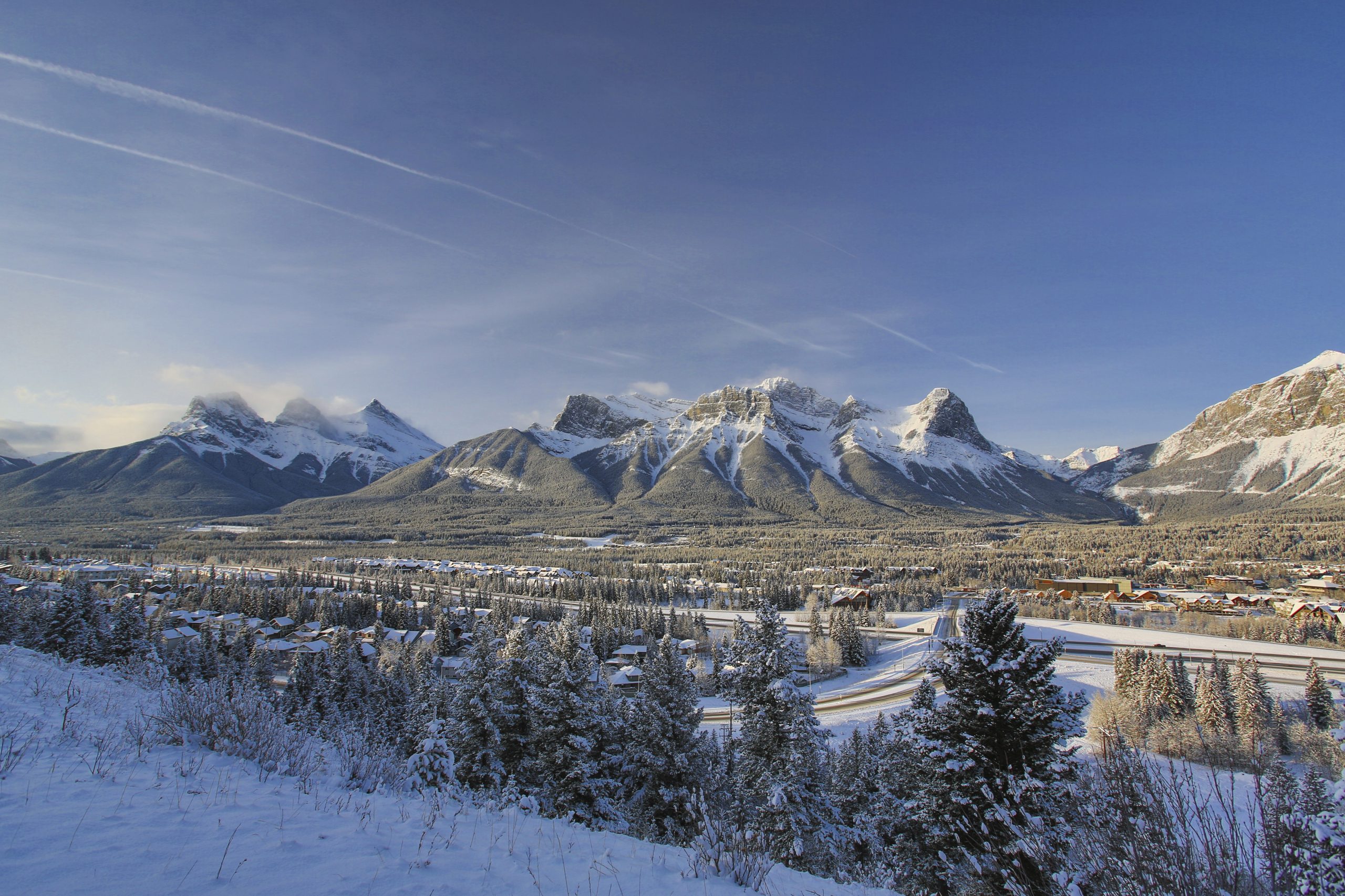
The town’s population of about 15,000 full-time residents more than doubles when an event like this comes to town. A past host of Para Nordic World Cups, a Masters World Cup, and International Biathlon Union (IBU) World Cups, this will be Canmore’s seventh Cross Country World Cup in 19 years.
According to Ludwig, they’re more than ready for it.
“Having 15,000 [spectators] come into the community plus athletes and coaches increases our population, but as a tourist town, we are well prepared for them,” she said. “We have great hotels and great accommodation options to choose from. We have restaurants ready to welcome everyone who would like to sample some special Canadian foods, and transportation is provided as well.”
Once in Canmore, just an hour west of Calgary, visitors can leave their cars and use free public shuttles to get around town and up to the Nordic Centre, 3.5 kilometers west of Canmore. Canmore boasts 80 kilometers of walking and biking paths, which are plowed in the winter, so they can also walk to the Nordic Centre, where the World Cup races will be held on Friday, Feb. 9, Saturday, Feb. 10, Sunday, Feb. 11, and Tuesday, Feb. 13.
En route to the venue, situated 1,400 meters (nearly 4,600 feet) above sea level, pedestrians can enjoy the Art Walk in the Woods. This temporary outdoor exhibit, with seven art installations over 2.5 k, celebrates the Cross Country and IBU World Cups, with the latter coming to Canmore in mid-March.
“The Art Walk is always a special treat for visitors [on their way] up to the Nordic Centre,” Ludwig noted. “When you walk from downtown up to the Nordic Centre, it is a bit of an incline. You might break a little bit of a sweat, so it’s nice sometimes to stop and look at the beautiful artwork.”
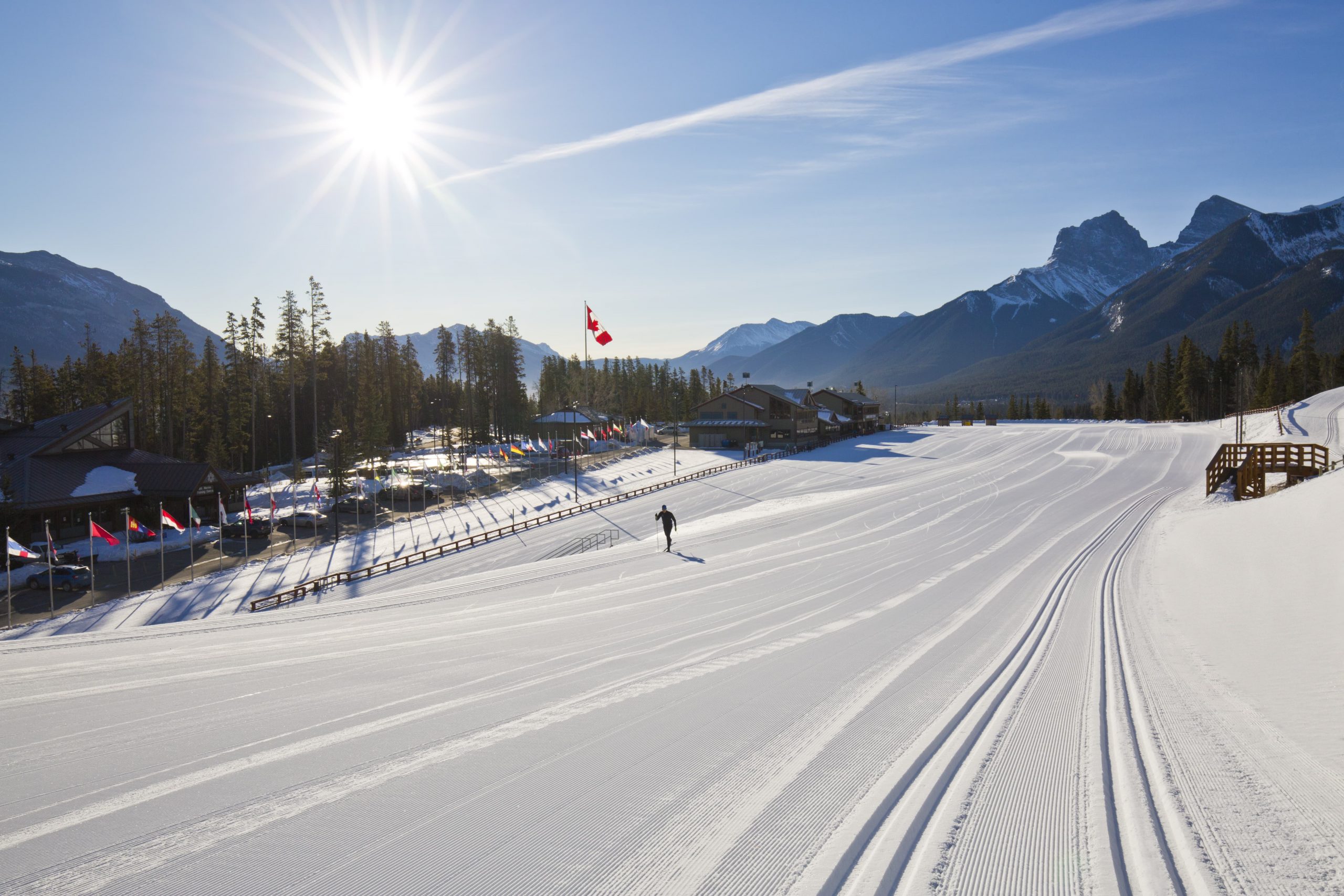
Created by the town of Canmore and Canmore Nordic Centre Provincial Park, the Art Walk is one of several World Cup spectator events that extend beyond racing. Others include four The Warm Up concerts on Feb. 9 and a Fast & Female event, COOP Mini World Cup, and The Cool Down assortment of family-friendly cultural activities on Feb. 10.
“Our goal is to attract all sorts of spectators who simply want to come out to the mountains and have a fun, great day,” explained Norbert Meier, events chair of the Alberta World Cup Society. “Coming to Canmore is much more than watching a ski race. It’s a great place to spend a mini vacation.”
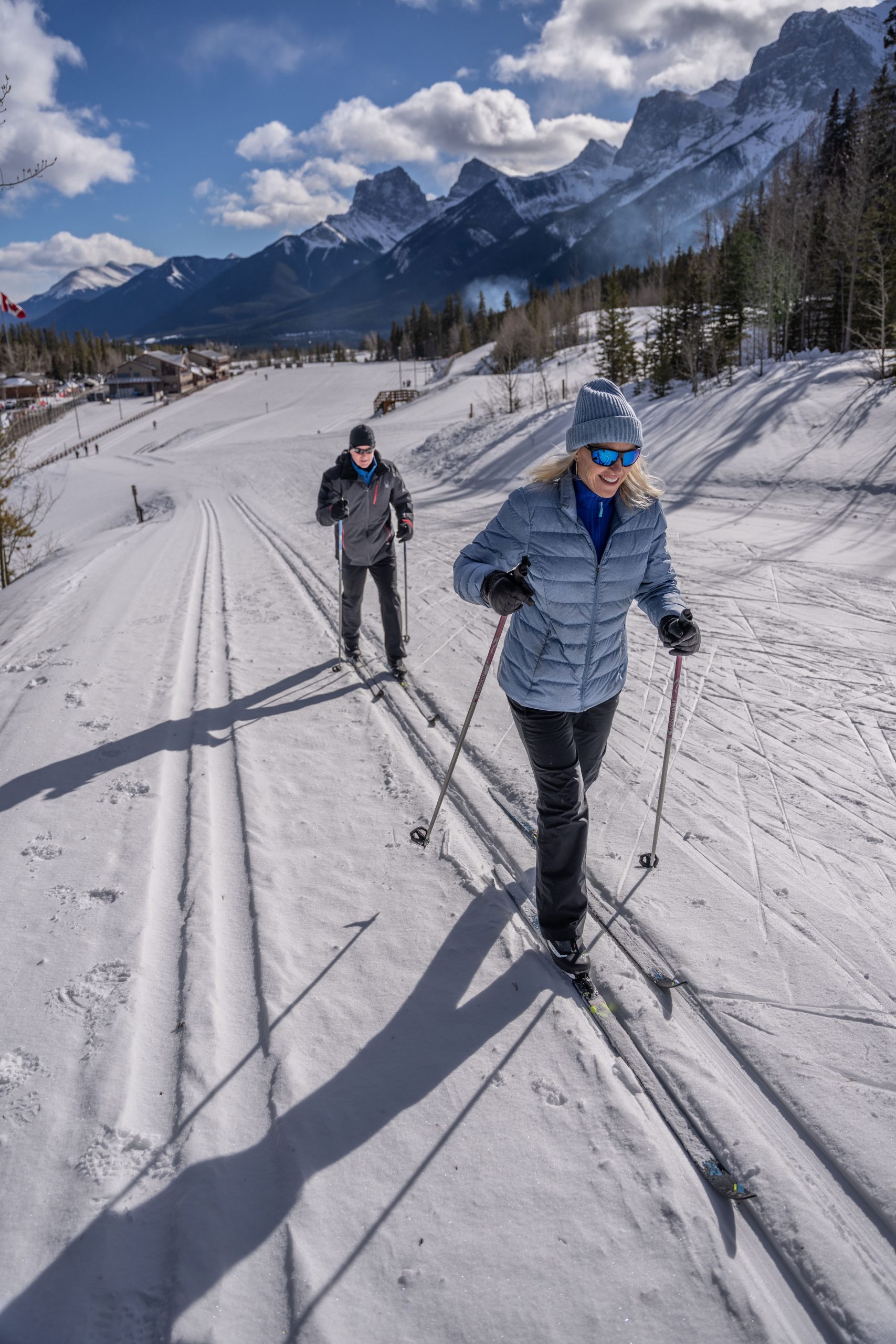
Meier said there’s been a great deal of investment and improvement in the Canmore Nordic Centre over the years, including the $27 million redesign of the 1988 Olympic trails in 2005 to meet modern World Cup standards regarding difficulty and television production. Most recently, in 2022, Alberta’s provincial government approved a $17.5 million project to improve the biathlon facilities.
Since Canmore’s last Cross Country World Cup—the Ski Tour Canada in 2016—and the World Cup before that in 2012, the race trails are mostly unchanged. They rise from the stadium with a series of switchbacks and a “compact footprint” that’s great for TV production and spectators, with the opportunity to see racers multiple times on a 1.3 k sprint or 5 k distance course.
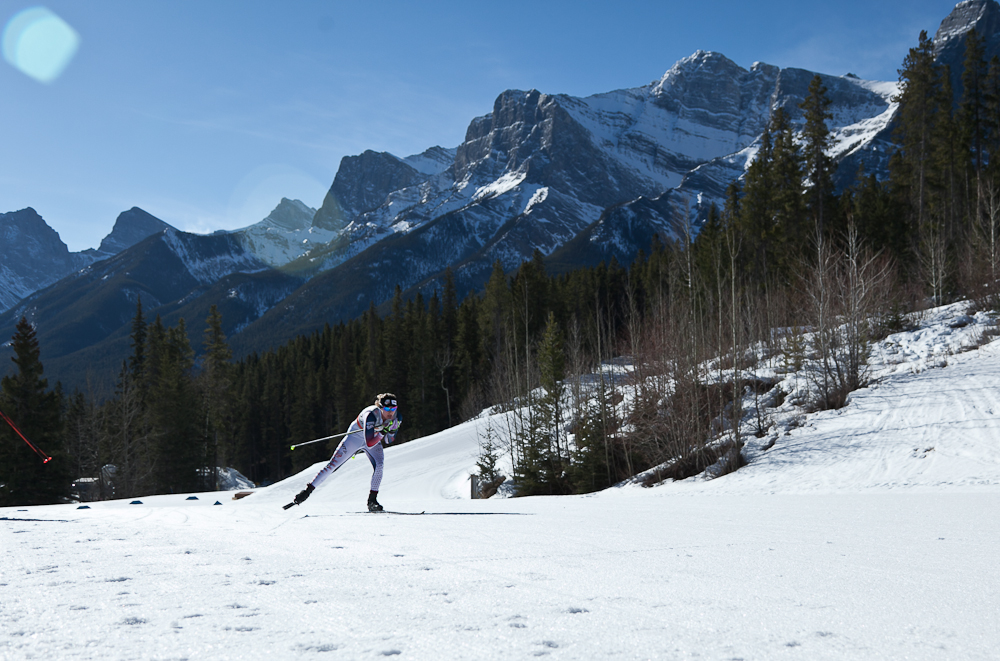
“There’s no easy part to our trails. It makes for great racing,” Meier said. “The hills are steep going up and fast and short going down. … It’s a bit of a twisty, turny course, so there are lots of opportunities to watch up close and be out there in the mountains.”
Public access is free for general admission and spectating at designated places in the stadium and around the course. This year, organizers offered VIP tickets for an “elevated experience” in the VIP Suite at the day lodge.
“The Canmore Provincial Park is one of those really special facilities where, as a spectator, you can go to a lot of different places on the trails, similar to what you see over in Europe at the Holmenkollen or other venues where there are lots of spectator spaces trailside,” he said of the free spectator/fan zones.