
On October 4, amid a crisp autumn morning at the trailhead near Cable, Wisconsin, around a hundred skiers, family members, and supporters gathered to witness the unveiling of two life-size bronze statues celebrating the trail designers of the American Birkebeiner, Sven Wiik and Marty Hall.
Half a century after their work laid the foundation of what has grown into the United States’ premier cross-country ski marathon, the Birkie community paused to remember the minds behind the trail.
From Vision to Reality
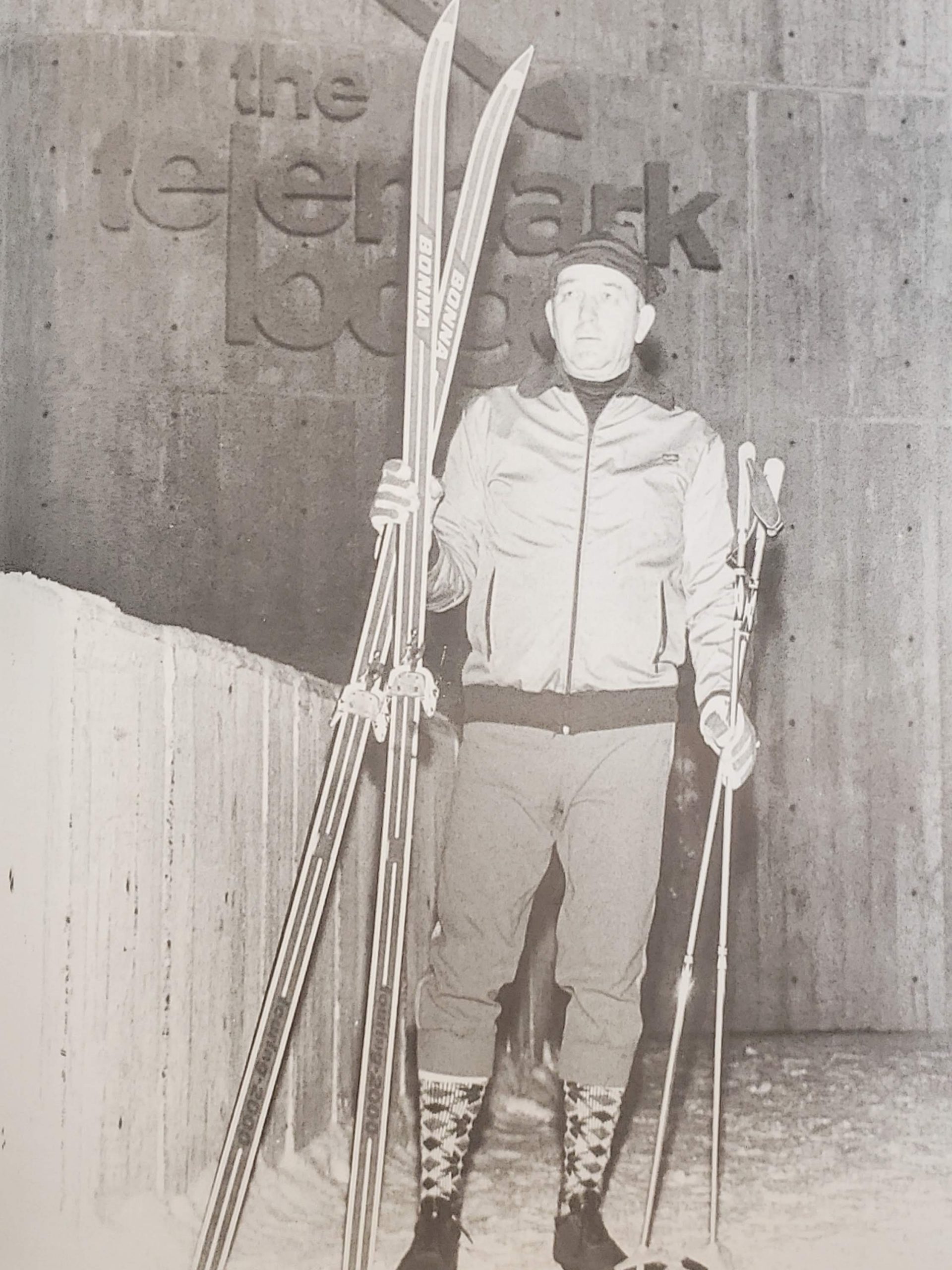
The story begins with Tony Wise, owner of Telemark Lodge, who conceived a 50-kilometer cross-country ski route linking Cable to Hayward. In 1975 and 1976, he recruited trail designers Sven Wiik and Marty Hall to bring that vision to life as an enduring path through Wisconsin’s North Woods.
Over the years, the Birkie Trail became more than a race course: it became a symbol, a training ground, and a pilgrimage for recreational and competitive Nordic skiers alike. It’s estimated that over one million people have used the trail since its inception.
Ben Popp, Executive Director of the American Birkebeiner Ski Foundation, offered a fitting tribute at the dedication:
“These two gentlemen turned Tony Wise’s vision into reality. They designed a trail that has helped define the Birkebeiner and has meant so much to generations of skiers.”
Lives Cast in Bronze
At the unveiling, Birgitta Wiik (daughter of Sven) and Kathy Hall (widow of Marty) each pulled draping cloths to reveal the statues. Birgitta was joined by Sven’s wife, Birthe, and granddaughter, Kajsa, while Kathy stood with the other family around Marty’s likeness.
Wiik’s statue shows him striding, saw in hand, cutting a path through the woods — a visual nod to the physical act of trail carving. Marty Hall’s statue depicts him with arms crossed, a posture that reflects both his coaching life and his role in trail-building (with trail-marking tools nearby).

During the dedication, Birgitta spoke to her father’s character and legacy:
“We remember Sven not only as being a trail designer but also as a beloved coach, mentor, and an inspirational figure who dedicated his life to igniting a passion for skiing …”
Meanwhile, Kathy Hall recounted how Marty’s connection with Tony Wise dated back to the spring of 1976, when Marty’s U.S. Olympic team practiced at Telemark and forged a partnership that led him to return to help finish the Birkie trail layout.

Sven Wiik passed away in 2016; Marty Hall died in February 2025.
Legacy, Community, and What’s Next
The statues sit side by side, separated by plaques that highlight each man’s contributions. A third plaque is dedicated to the broader history of the Birkie Trail.
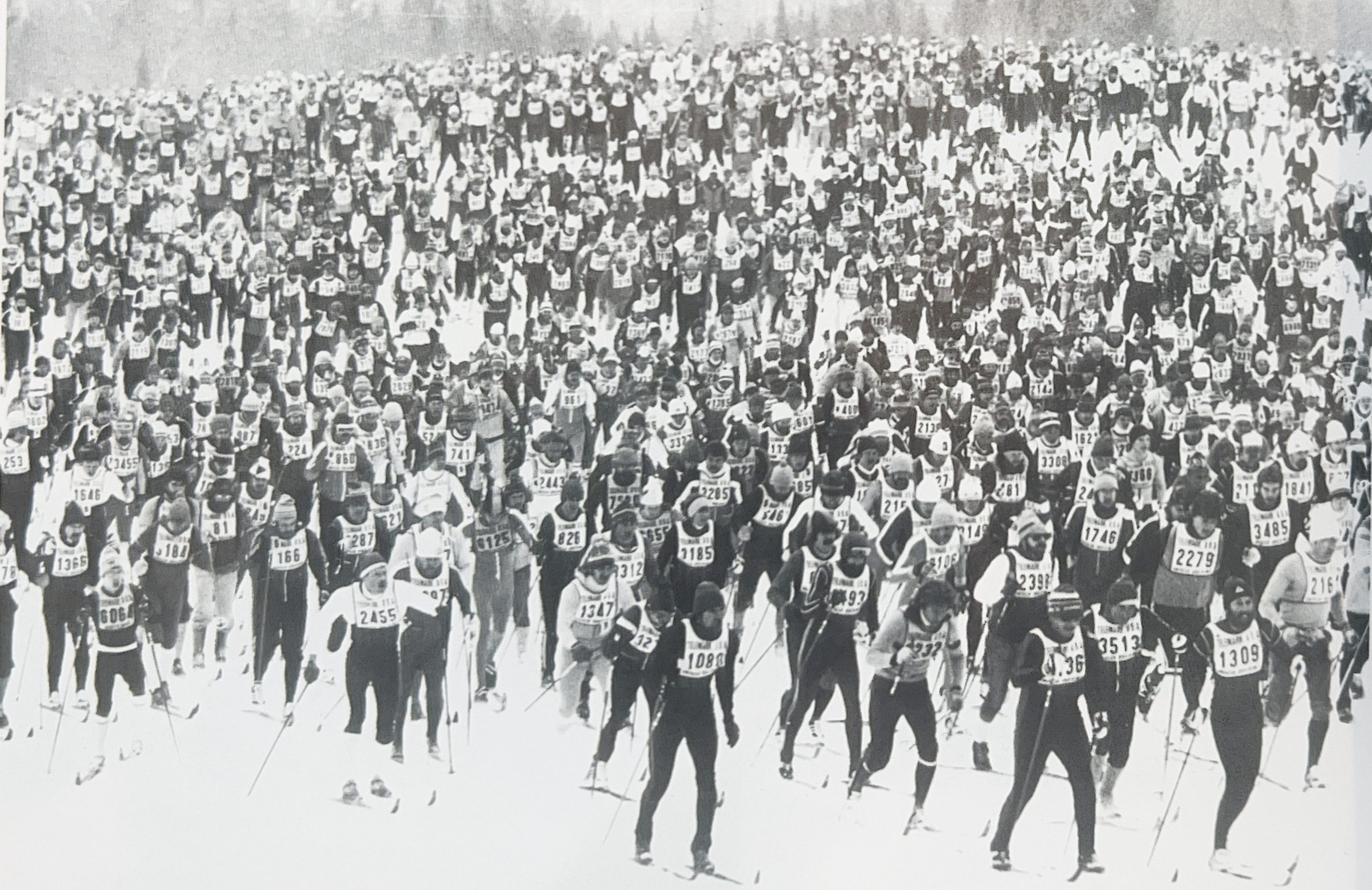
Jerome Poling, historian and author of America’s Greatest Ski Marathon (forthcoming), delivered remarks at the ceremony, framing the trail’s creation as a turning point in American ski racing. He reminded attendees that in 1975, only 324 skiers entered the Birkie; today it routinely draws over 10,000 participants — a growth narrative inseparable from the trail itself.
Also featured in the ceremony were longtime Birkie figures:
- Ernie St. Germaine, the only skier to have completed 50 Birkebeiners, offered an Ojibwe blessing.
- Don Quinn, coached by Wiik, and Olympic athletes coached by Hall, such as Alison Bradley and Doug Peterson, spoke about the men’s influence.
- Frances Wise, daughter of Tony Wise, joined to reflect on the lodge’s place in Birkie lore.

The statues were realized through collaboration among the families and the Birkie Foundation. They were sculpted by Milwaukee artist Tom Holleran and cast by Vanguard Sculpture Services, also in Milwaukee. Holleran invested months into refining the likenesses and the postures to tell not just who these men were, but what they represented.
Fundraising is currently underway to erect a third statue — this one dedicated to Tony Wise — to be located near the former Telemark Lodge site, now known as Mt. Telemark Village (the lodge was razed in 2021).

Why It Matters to the Nordic Community
For the community of cross-country skiers and racers, the unveiling is more than commemorative. It is an affirmation of roots. While races, circuits, and gear evolve, the trail itself remains the backbone of the Birkie. Recognizing the creators of that backbone is a way to affirm history, continuity, and the values that have shaped it.
For future generations — kids who grow up stringing glide wax, college racers chasing time splits, retirees chasing fresh tracks — seeing Wiik and Hall immortalized in bronze grounds the sport in narrative and personality, reminding us that ski trails are more than lines on a map; they are legacies shaped by people.
If you stand at the trailhead and look up the hill, you don’t just see the snow-groomed path ahead — you know the vision and sweat it took to produce it.

Matthew Voisin
As owner and publisher of FasterSkier, Matthew Voisin manages the day-to-day operations, content, and partnerships that keep the site gliding smoothly. Away from the desk, he’s doing his best to keep pace with his two energetic sons.