

Conventional thinking has long prioritized endurance and cardiovascular fitness for cross-country skiers, but new research suggests that strength and power are just as important for better skiing. Cross-country skiers that did just between six to twelve weeks of strength training showed noticeable improvements in their performance compared to those who didn’t, a recent systematic review found. The way strength training pays off is that stronger muscles generate more power with each movement. This means you ski faster and cover more ground without exhausting yourself. Strength training also helps your brain and body work together better for more efficient skiing. Interestingly, similar benefits can be achieved with cross-training with other winter sports like snowboarding, which can also help you develop the balance and control you need to ski at your best.
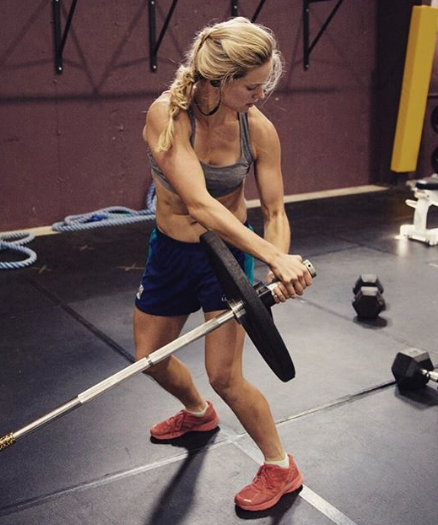
Stronger muscles for easier skiing
Several studies in the review found that skiers who added high-load or explosive strength training to their routine saw significant gains (anywhere between 7-52%) in their work economy. What does this mean exactly? Basically, that strength training can help you improve your performance on the trails while expending less energy. Stronger muscles deliver more power with each movement, and this translates to a more efficient skiing style where you cover more ground with each push. Two exercises that can help with this are the bench press and bench pull. The bench press targets the shoulders, chest, and triceps, while the bench pull strengthens the back and biceps. These are all muscles heavily used for double-poling. Together, these moves can help you can ski with more power without burning as much energy.
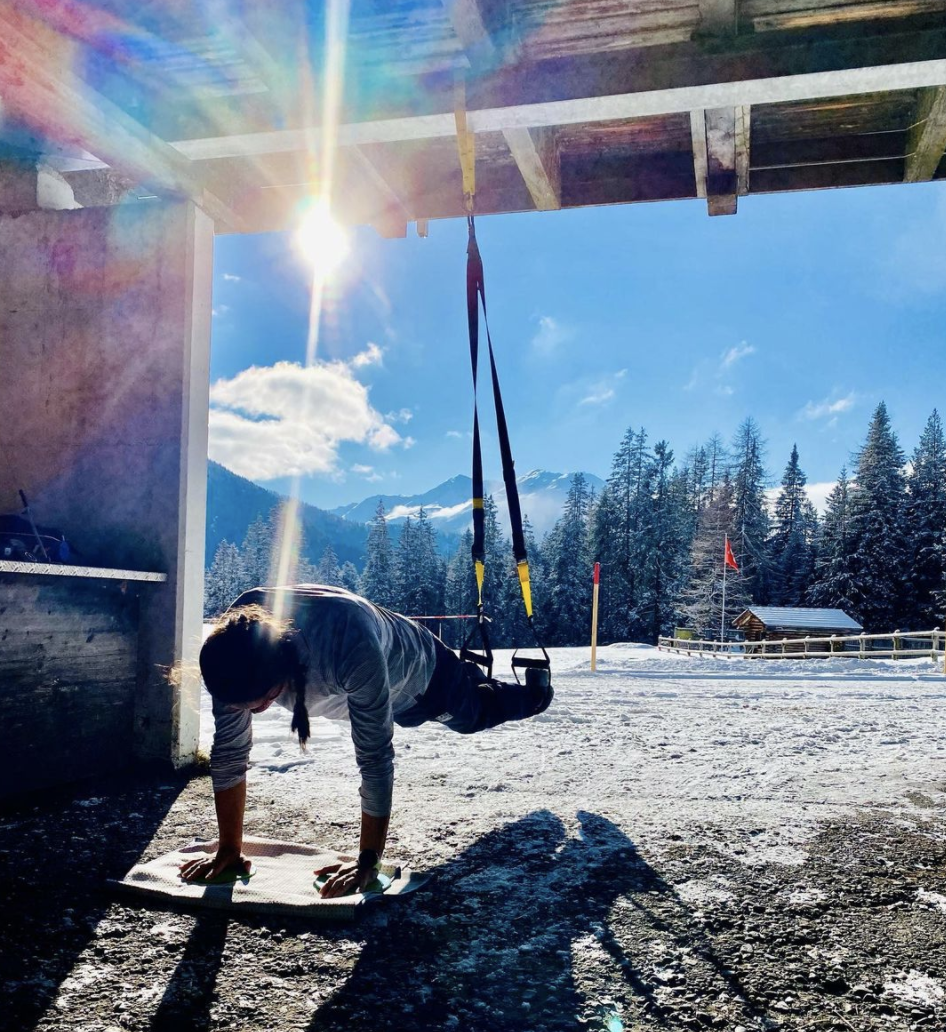
Improve neuromuscular coordination with cross-training
Research also shows that strength training helps your brain and muscles work together better (what’s known as neuromuscular adaptation). This can make a huge difference for cross-country skiers. Using the right muscles at the right time means you ski faster with less effort. But strength training isn’t the only way to achieve this benefit, and cross-training with other sports, like snowboarding, can also help you get even better at controlling your body. Snowboarding trains your neuromuscular system to improve balance, which can complement your skiing nicely. There’s actually research to back this up. In a Polish study, a group of snowboarders saw great improvements in their balance after just nine days of practice. Their overall stability index dropped from 2.21 to 1.85, which means they developed better body control. So, snowboarding can work well with strength training for better skiing. Just remember to gear up properly before you hit the slopes. A good pair of boots will give you the control and stability you need to practice new moves without worrying about falls. The range of boots at Tactics includes all-mountain designs that provide support and stability across any terrain.
Build maximal strength for more power
Strength training also improves maximal strength in cross-country skiers by up to 24%. Maximal strength is the maximum amount of force your muscles can generate in a single effort, and helps cross-country skiers produce more power on the trails. In particular, the seated lat pulldown can help you develop a more powerful double poling technique. This is because it primarily works the latissimus dorsi muscle on your back, which is the main muscle used in double poling. Another useful exercise is the squat jump. This move has been linked to faster peak velocity (or more explosive leg power) in diagonal stride, thanks to its focus on leg and glute strength.
Strength training can help you become a better cross-country skier. When you build stronger muscles and improve neuromuscular coordination, your efforts will pay off with a faster, more efficient performance on the trails.

Press Release
Publishing press releases is a service we offer to the ski community, so please note these articles are not written by FasterSkier and therefore do not necessarily represent our thoughts and standards.