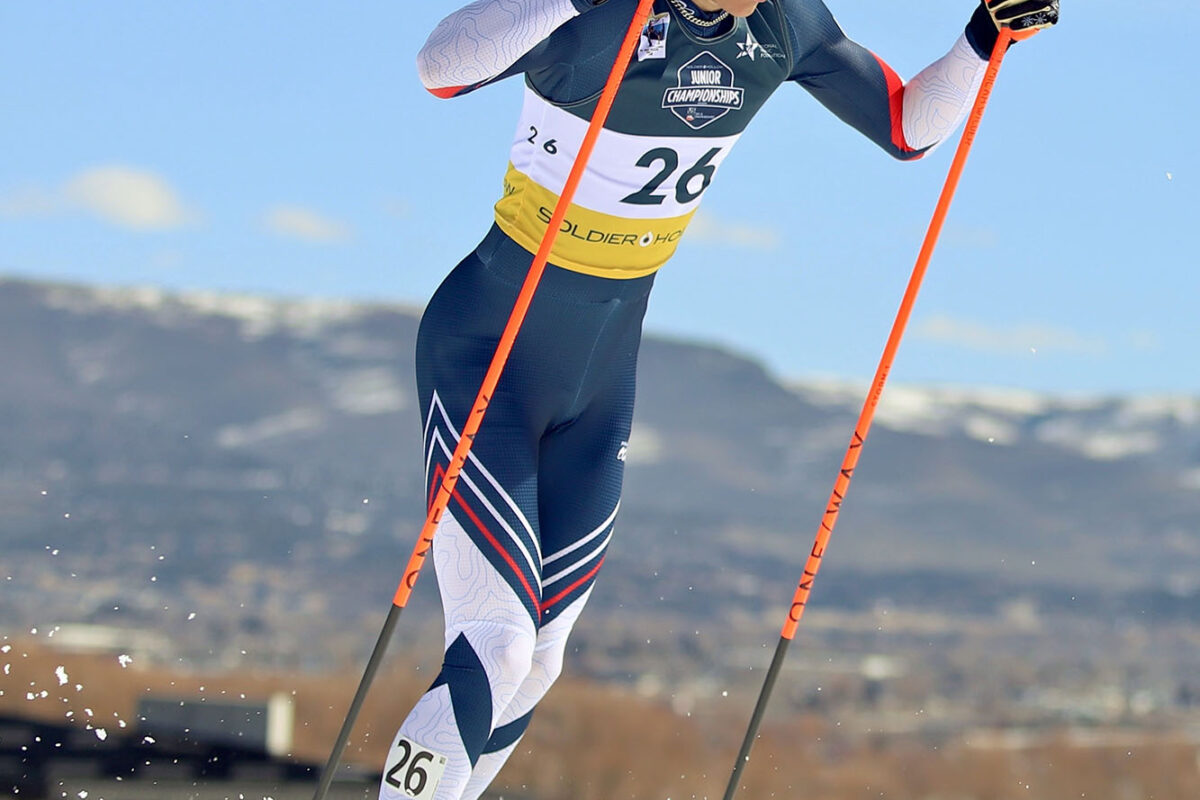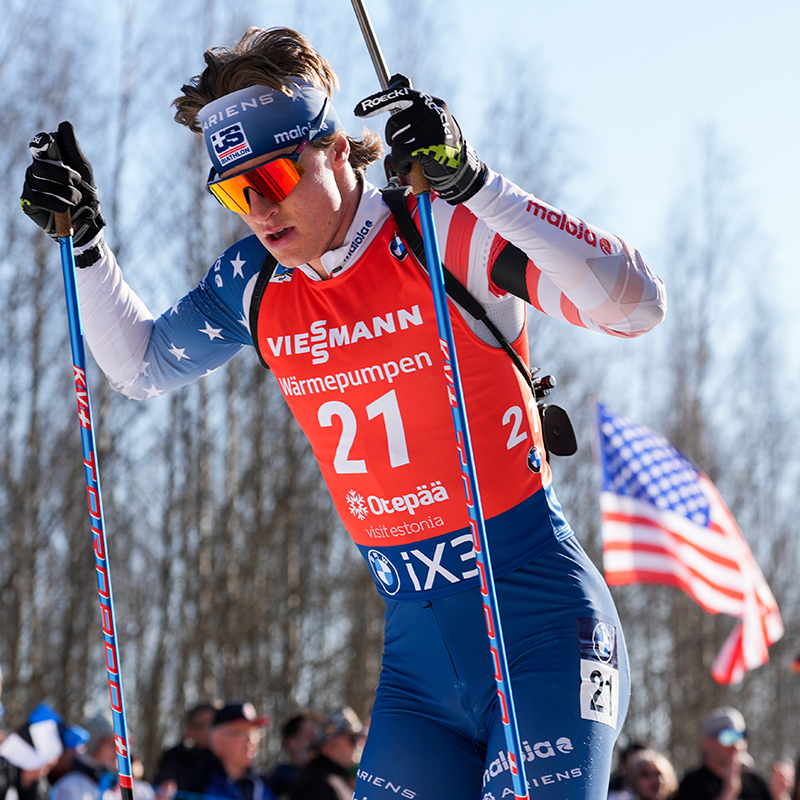

LANESBORO, MA — On a crisp Sunday morning, nearly a hundred rollerskiers lined up at the base of Massachusetts’ highest peak, ready to test themselves against one of New England’s classic ascents. The Mount Greylock Hill Climb has always been more than a race—it’s a rite of passage, a season-ender that blends community, endurance, and a dash of history stretching back four decades.

A Long Tradition on a Steep Road
The Mt. Greylock Hill Climb traces its roots to the 1980s, when Steve Blazejewski, longtime owner of Berkshire Outfitters in nearby Cheshire, organized the first informal hill-climb rollerski up the mountain’s south access road. Those early events had a distinctly grassroots feel: a handful of hardy skiers, a few volunteers with stopwatches, the smell of fall leaves mixing with sweat, and the sounds of clicking ski ferrules on asphalt breaking through the cooling autumnal wind.
Blazejewski—a fixture of the Berkshire outdoor scene and a lifelong skier—recognized that Mount Greylock’s 3,491-foot elevation and sustained grade offered a perfect proving ground for endurance athletes. What began as a small local challenge quietly evolved into an annual fall tradition, drawing Nordic skiers from across Western Massachusetts and southern Vermont.
Today, that same spirit endures, even as the event has grown in scale and professionalism. With the New England Nordic Ski Association (NENSA) now running the climb as part of its official Rollerski Race Series, the Greylock event has evolved into the season finale of the regional summer circuit. This culmination feels both natural and earned.

The Climb: From Lanesboro to the Clouds
Racers in the Long Course began their 8-mile ascent at the Mount Greylock Visitors Center in Lanesboro, winding steadily up the south access road to the summit. Those opting for the Short Course started halfway up near Jones’s Nose—a 4-mile route that compresses the mountain’s final, steepest pitches into a fierce test of pacing and grit.
The weather was ideal: cool, calm, and clear, with late-autumn color lining the road. For many, the Greylock climb doubles as both a training benchmark and a celebration—one last rollerski before snow season begins.
Tight Battles and Young Legs on Display
In the men’s Long Course, Cole Bothner (Williams College) led from the base, maintaining tempo through the middle grades and holding off Thomas Videtich Bye (Bears) by just eight seconds (48:22 to 48:30). Quinn McDermott, also of Williams, rounded out the podium in 48:41.

The women’s Long Course belonged to the next generation. Astrid Longstreth (Mansfield Nordic) took a commanding win in 59:16, pacing perfectly before attacking the upper switchbacks. Leigh Niedeck (EMXC) followed in 1:00:45, and Olya Wright (Williams College) was third in 1:01:12.
In the Short Course, juniors shone bright. Luke Ebisawa (SMS) dominated the men’s field (29:26), with Thomas Huemmer (EMXC) and Jorgen Pirrung (Mansfield Nordic) on the podium. The women’s race was even tighter: Genevieve Graves (GMVS) edged Mia Gorman (Mansfield Nordic) by six seconds (34:25 vs 34:31), with Kendal Bowen (GMVS) third in 35:54.
“A Chainsaw, Not a Hand Auger” — The Role of Rollerskiing
For Ben Theyerl, NENSA’s Competitive Program Director, the Mt. Greylock Hill Climb embodies what makes rollerskiing such a powerful development tool.
“One thing I’ve gained a newfound appreciation for stepping back in the East,” Theyerl said, “is how my predecessor Justin Beckwith framed rollerski programming: as a development tool. And as a tool, fittingly coming from Justin, it’s more chainsaw than hand auger—that is to say, power!”

He added that NENSA’s current approach is about “matching opportunities with athletes”—balancing elite-level races, such as the Lost Nation Roll and Keys/Climb to the Castle, with inclusive, community-oriented climbs, like Greylock.
“You can’t simultaneously broaden the base of junior skiers comfortable on rollerskis at those pro-style races,” Theyerl noted. “So we target different opportunities like Greylock, or regional camps and clinics. This year, we had plenty of first-time rollerskiers—and we had Jessie Diggins, Ben Ogden, their SMS T2 teammates, Craftsbury GRP athletes, and MNC Pro Team skiers racing too.”
That balance, he said, creates a feedback loop across generations: “The more comfortable young skiers are on rollerskis, the more we can tap into them as a tool. We want these opportunities to be a key part of our community.”
A Berkshire Tradition, and a Broader Metaphor
Theyerl also sees the Greylock climb as uniquely emblematic of New England grit.
“For every place we associate with ski racing—Vermont, Minnesota, Colorado, Alaska—there’s a community just adjacent, with dedicated skiers doing the sport we love where it’s a little harder to hack it. The Greylock Hill Climb is a great embodiment of the unlikely, impressive things that stand in the Berkshires, literally and metaphorically. It takes a town meeting’s worth of different people to put a mountainside race like that on—and that’s the grandest New England tradition of all.”

Looking Ahead
As NENSA’s rollerski series continues to expand, the Mt. Greylock Hill Climb feels like its perfect closing chapter—a bridge between old-school grassroots passion and the modern era of organized Nordic development.
Forty years after Steve Blazejewski first envisioned a climb to the state’s highest point, the heart of the race remains the same: community effort, steep grades, and the unmistakable rhythm of ski poles clicking against New England pavement.
Complete Results
Full Photo Gallery
(Please credit @FasterSkier if you publish them on socials or elsewhere)

Love Stories Like This? Help Keep Them Coming.
Feature interviews like this one take time, access, and care to produce. If you value thoughtful storytelling and independent ski journalism, please consider becoming a Voluntary Subscriber. Your support directly fuels the work we do to cover the people, places, and moments that make our sport special.
Join the FasterSkier community.

Matthew Voisin
As owner and publisher of FasterSkier, Matthew Voisin manages the day-to-day operations, content, and partnerships that keep the site gliding smoothly. Away from the desk, he’s doing his best to keep pace with his two energetic sons.