This article was made possible through the generous support of our voluntary subscribers. If you would like to see more articles like this one, please support FasterSkier with a voluntary subscription.
Starting line of the Vasaloppet. Jim’s in there somewhere . . . (Photo: FasterSkier)
In 2021, our family decided to do the 2022 Vasaloppet, marking the 100th anniversary of this iconic event. That meant setting an alarm for 1:30 a.m., firing up the computer, and scrambling to grab a spot as the Vasaloppet website went live. With 15,800 entries filling up in minutes, we were lucky to get in.
Joyce signed up for the 30-kilometer Nattvasan night race, while Gunnar, Torry, and I committed to the full 90-kilometer Vasa. That kicked off a year of more focused training, and, to be honest, some nerves—as I prepared for one of the longest ski races I’d attempted in decades. My goal wasn’t about performance. It was about being fit enough to ski the full distance comfortably and experience one of the most iconic mass-start endurance events in the world.
A Legendary Course
The Vasaloppet runs 90 kilometers through the Swedish forest and seven villages, with rolling terrain and plenty of modest climbs. Back in my racing days, we never had the opportunity to ski the Vasa. We were always in Falun for the annual World Cup and would catch glimpses of the race on Swedish TV before heading out to race ourselves. At 65 years old, I was finally going to ski it.
Course Recon & Waxing Decisions
Two days before the race, I skied an easy 20 km near the finish to activate the system and get a feel for conditions. The snow was transformed and icy, klister was clearly going to be the only viable grip option. Later that day, we picked up our numbers in Mora. The race office was impressively efficient, we were in and out in 15 minutes, even with long lines.
At the expo, I chatted with the Swix and Madshus reps about waxing for the higher parts of the course. Conditions varied. Some recommended hard wax over binder, others klister with a cover, and a few suggested straight klister. With forecast temps between –10 -15 C at the start rising to +4 and +5°C, none of it seemed perfect. I settled on Swix Green Base Klister spray, topped with Rex Violet Klister. In hindsight, it was too much straight klister and not enough cover for the sugar snow churned up on race day.
Joyce enjoyed fast, sunny conditions during training in Summit county, Colorado. (Courtesy Photo)
Joyce’s Race
Joyce skied the 30 km Nattvasan skate from Oxberg to Mora on Friday night. We dropped her at the 7 p.m. start, then drove to the Eldris feed station to see her pass through. She loved the experience, skiing under the stars with a head lamp, through the woods and finished strong in just under 2:15.
Race Day Chaos and Magic
We were up at 3:00 a.m. after barely sleeping, then caught the 4:30 a.m. bus from Mora to the start in Sälen. It was a 90-minute ride, but I managed to get a little sleep. Gunnar, Torry, and I were seeded in Wave 10, last row of the pen, with 15,000 skiers ahead of us.
At -14°C, the start was frigid. On Dave Quinn’s advice, we lined up far left, and it paid off. We passed hundreds of skiers in the first few hundred meters. But once we hit the first climb, a nearly 3-kilometer grinder, it turned into gridlock. Wall-to-wall skiers, herringboning up a churned-up trail, created 8–12 inches of sugary snow. It took over an hour just to reach the top.
It’s hard to describe the sheer scale of it: 15,000 people spread across a 150-meter-wide trail, stretching as far as the eye could see. It was impressive and overwhelming all at once.
Unfortunately, the sugary snow fouled my klister, leading to icing. By Mangsbodarna (~25 km), my skis were slipping. By Evertsberg at 50 km, I had lost all kick. I didn’t carry wax, so fixing it mid-race wasn’t an option. A thinner klister base covered with hard wax and topped with red or universal klister mid-race would’ve been a better strategy.
Settling In and Managing the Effort
Once the trail opened up, we hit a long 25 km stretch of double poling. I would stride the few uphills just to give my arms a break. The first 30 km took 2:40, an hour of that was barely moving in the early gridlock.
From 30 to 50 km, things were harder than expected: gradual climbs, slow skis, and no kick. I averaged 151 bpm heart rate over that section, right at threshold. I stayed focused on efficient poling and backed off effort on the climbs.
After 50 km, I made a conscious decision to conserve energy and dropped effort to 135–140 bpm. Joyce met me at Oxberg with coffee, and I ditched my Camelbak. I hit Oxberg at 5:20, still on pace for a sub-7-hour finish.
But the last 29 km were a grind. The tracks were washed out, gone, and still no kick. I averaged just 12.5 kph and crossed the line in 7:28. That said, I felt strong at the finish, no bonk, no collapse, and recovered well in the following days.
At the finish, I told myself, “Well, I’ve done it. No need to do that again.” But the next morning, we were already talking about coming back.
Fueling Strategy
I aimed for ~80g of carbs per hour (~320 kcal), totaling ~2,400 kcal during the race. Firstbeat estimated I burned ~5,000 kcal, roughly 3,000 from fat and 2,000 from carbs. I carried 1.5L of sports drink (~1,100 kcal) in a Camelbak, which allowed me to skip the congested early feed zones. I also took 2 cups at each aid station later and had many gels throughout the day.
Race Observations
Downhill skiing among the field was… tentative. A lot of half-snowplowing made descents tricky.
Long stretches of double poling, especially between the villages.
Tougher than expected from Risberg to Evertsberg and again after Oxberg.
“Passing lanes” were more theory than reality. All tracks were jammed early on.
Five days to adjust to the time change wasn’t enough. A full week would have made a big difference.
Training Approach
My training focused on aerobic development, more than 90% at basic endurance intensity. Every 10–14 days, I’d add VO₂max intervals (10–45 minutes of work). Spring started with running, followed by road and mountain biking. By late May, I added 2–3 SkiErg sessions/week.
A summer cycling trip in Mallorca—7 days of 70–100 miles/day and 4,000–5,000 ft of climbing, was a big aerobic boost. Winter snow came late, but by January I was skiing 4–5 times/week for ~2 hours per session, with a focus on double poling.
For strength, I used BStrong BFR bands 3x/week for general strength and SkiErg intervals. On snow, I continued BFR 2–3 times/week. I didn’t follow a strict plan but used Firstbeat recovery data to guide load, following a 3-on, 1-off, 2-on, 1-off cycle. I’m convinced consistent 2-hour endurance sessions were more effective than a few massive, long skis, especially at altitude.
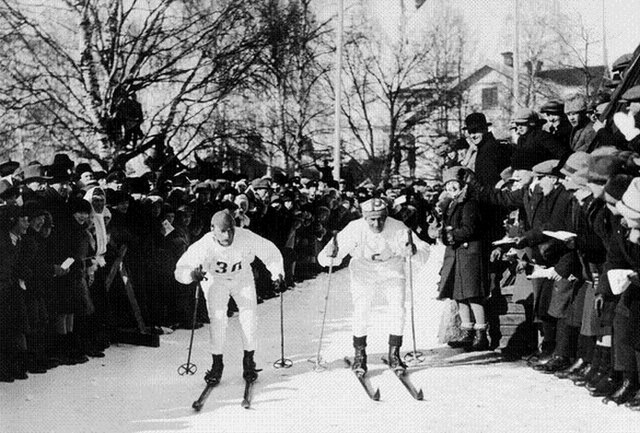
The Vasaloppet is Sweden’s classic ski race, and one of the world’s great endurance events. (Photo: WikiCommons Media)
Final Thoughts & Tips
This was a great experience. The preparation and execution came together well. With better wax, a more forward start position, and a bit more familiarity with the course, a 6-hour finish is absolutely within reach.
If you’re intrigued by skiing 90 kilometers through Swedish forest—do it. But here’s some advice:
Arrive in Mora 4–5 days early. You’ll need the time to adjust, ski sections of the course, and recover.
Use the official bus to the start. Traffic between Mora and Sälen is brutal, we learned in subsequent years that missing the start is a real risk.
Wax your own skis if you can. Local wax services vary wildly, and the snow changes dramatically once 15,000 people go through the tracks.
Be patient on the course. You’ll pass where you can, and follow where you can’t. After the first 10–15 km, things open up.
Ski the descents wide. Most of the mayhem on the downhills happens in the center tracks. I stayed left or right and avoided the worst of it.
Would I Do It Again?
Absolutely. It’s not just a race, it’s a celebration of endurance. A shared experience with 15,800 other people pushing through winter, village to village, chasing something personal. That alone makes it worth returning.
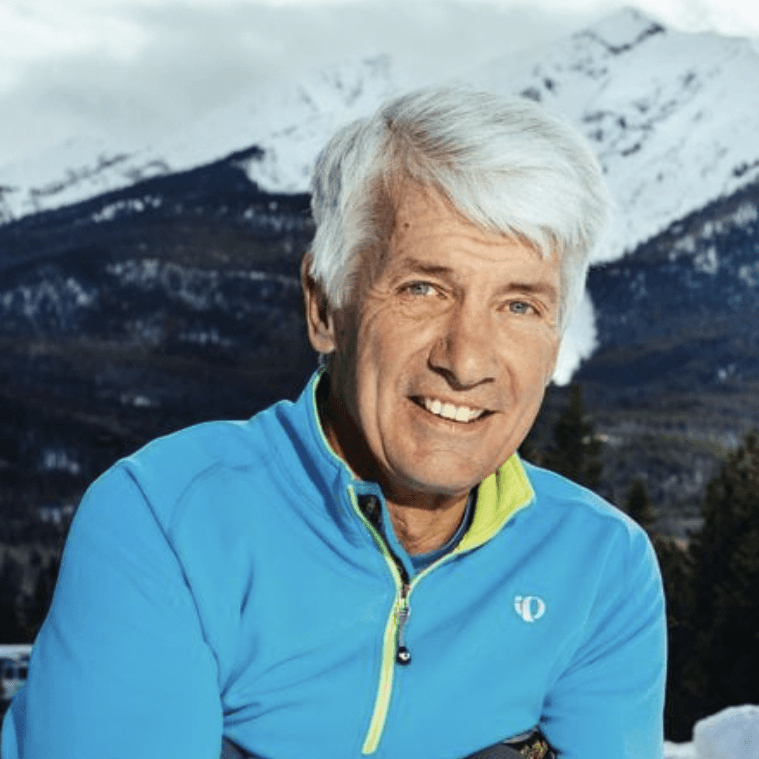
Coach, competitor, correspondent, commentator—Jim Galanes has spent a lifetime on cross country skis, always serving as a keen observer of our sport. A three-time Olympian in both Cross-Country and Nordic Combined, Jim has tested the theories, initiated the instruction, assessed the results. Now, FasterSkier is thrilled to announce that Jim joins our staff of writers and contributors, adding his unique and time-tested insights to the editorial offerings of this publication.