HomeAuthor

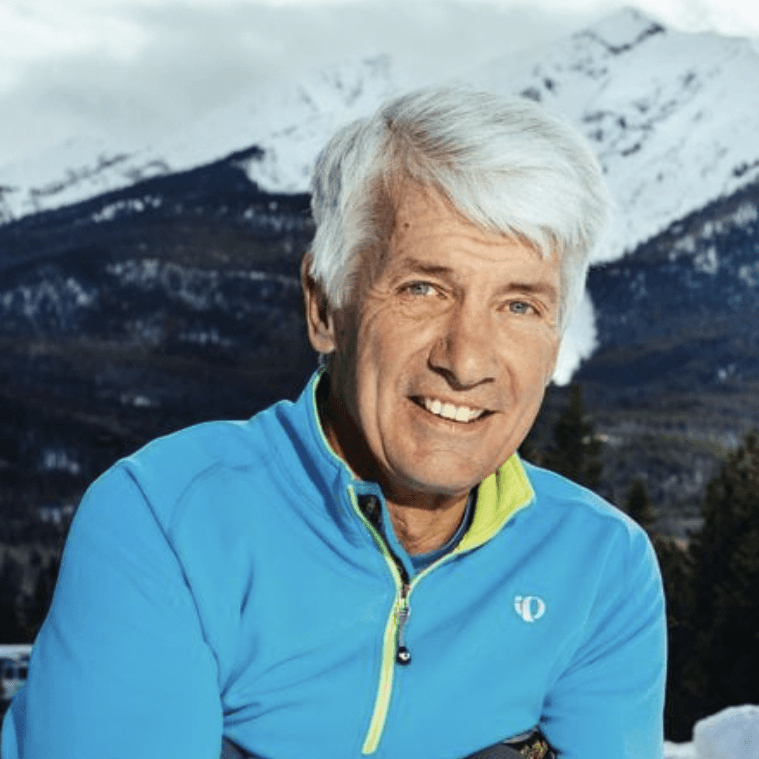
Jim Galanes

Coach, competitor, correspondent, commentator—Jim Galanes has spent a lifetime on cross country skis, always serving as a keen observer of our sport. A three-time Olympian in both Cross-Country and Nordic Combined, Jim has tested the theories, initiated the instruction, assessed the results. Now, FasterSkier is thrilled to announce that Jim joins our staff of writers and contributors, adding his unique and time-tested insights to the editorial offerings of this publication.
Governing Olympic Sport

This article was made possible through the generous support of our voluntary subscribers. If you value coverage like this, please support FasterSkier with a voluntary subscription. The Ted Stevens Olympic and Amateur Sports Act, passed in 1978 and amended several times (most notably in 1998 and 2020), is the statute that created the U.S. Olympic & Paralympic Committee (USOPC) and granted National Governing Bodies (NGBs) exclusive, monopolistic, authority over Olympic sports in the United States....

Kris Freeman—Performance, and the Cost of Standing Still

This article was made possible through the generous support of our voluntary subscribers.  If you would like to see more articles like this one, please support FasterSkier with a voluntary subscription.   A few weeks ago, I sat down with Kris Freeman expecting a fairly general conversation about his skiing career. What I got instead was a clear-eyed, detailed account of two decades inside U.S. men’s distance skiing, performances, missed opportunities, technical evolution, and the political forces that...

The Long Game: Over-Training in the Development Years.

After my posted articles on FasterSkier on “Junior Nationals” and “What’s the Hurry”, there was some anticipated discussion on my statements around over training, burn out, and the attrition rate in the sport. When I write, it is based on my experience, my research, and my opinion. I encourage and welcome the debate. Over training and burnout in junior athletes is real I think it is important to define the ways I view over training...

Long Drive, Good Thinking

This article was made possible through the generous support of our voluntary subscribers.  If you would like to see more articles like this one, please support FasterSkier with a voluntary subscription.   Over the last six days, I drove 1,000 miles down to Tucson and 1,000 miles back to visit Bob Treadwell, a teammate on the U.S. Ski Team in the mid-’70s, along with our friend Tim Caldwell, who most readers will know from his long run...

Training Philosophy—a Holistic View

What follows is a simplified training philosophy that works, if you apply it consistently. I’m focusing on the core elements of endurance sports: aerobic endurance and capacity (VO₂max), strength, speed, and appropriate training volume. These are the levers that matter. Coaches love to talk about nuance and the next latest and greatest shinny object: not going too hard during distance days, going hard enough during high-intensity sessions, finding the right dose of speed and strength,...

Lack of Accountability in Youth Sports Abuse

This is a follow up to the reporting of an abuse case that occurred in March of 2025 within a major Colorado club. An initial report was posted on Faster Skier earlier this summer. This subsequent article is an attempt to keep all such issues front and center so that athletes and coaches will feel safe, so that families will feel faithfully represented, and so that governing bodies will stand behind their responsibility to protect...

Why “Training Volume Is the Biggest Predictor of Success” — and Why That’s Only Half True

We read it again and again in studies, articles, and coaching posts: “Training volume is the best predictor of performance.” It’s one of the most consistent findings in exercise science, appearing across endurance sports for decades, and in national training systems. But the statement is often repeated without understanding what it really means, or more importantly what it doesn’t. One reason this line gets repeated so often is that “train more” is an easy message...

Cross Country Skiing Participation: What Does the Data Suggest?

This article was made possible through the generous support of our voluntary subscribers.  If you would like to see more articles like this one, please support FasterSkier with a voluntary subscription.   I’ve been curious for a long time about participation trends in cross-country skiing and what direction the data might point. Ideally, I’d like to see longitudinal data over 10-20 years, but that kind of dataset doesn’t appear to be publicly available. Still, there are several...

Pitfalls of Junior Athlete Training: A Case Study in Overload and Misguided Intensity

Over the years, I have often been asked to review training programs for junior athletes. Most of the time, these requests come when an athlete is underperforming, showing signs of overtraining, or failing to make anticipated steps in competition. Unfortunately, these situations occur far more often than we might think. In fact, I have reviewed at least a dozen similar cases in recent years, where athletes share the same training and performance profile: high motivation,...

A Review: Anders Ericsson and Robert Pool—“Peak”

This article was made possible through the generous support of our voluntary subscribers.  If you would like to see more articles like this one, please support FasterSkier with a voluntary subscription.   As I was re-reading “Peak” by Anders Ericsson and Robert Pool, the quoted paragraph caught my attention. (I most often read my books multiple times as with each reading I tend to find more learning.) “A 2012 study of tennis players looked at the success...

Training Zones

This article was made possible through the generous support of our voluntary subscribers.  If you would like to see more articles like this one, please support FasterSkier with a voluntary subscription.   About two years ago, I started asking myself if we could define training zones in a better way. Since then, I’ve looked at just about every model out there. From a metabolic perspective, the 3-zone models tries to anchor the zones on metabolic events.  But...

Rethinking Endurance Training: The Implications of Pontzer’s Constrained Energy Model

This article was made possible through the generous support of our voluntary subscribers.  If you would like to see more articles like this one, please support FasterSkier with a voluntary subscription.   Over the past few years, I’ve been studying the work of Herman Pontzer, PhD, whose research in human energetics challenges long-held paradigms of how endurance athletes adapt to training. For decades, endurance training theory was based on the principle of cumulative energy expenditure: train more,...

Does Lactate Threshold Even Exist?

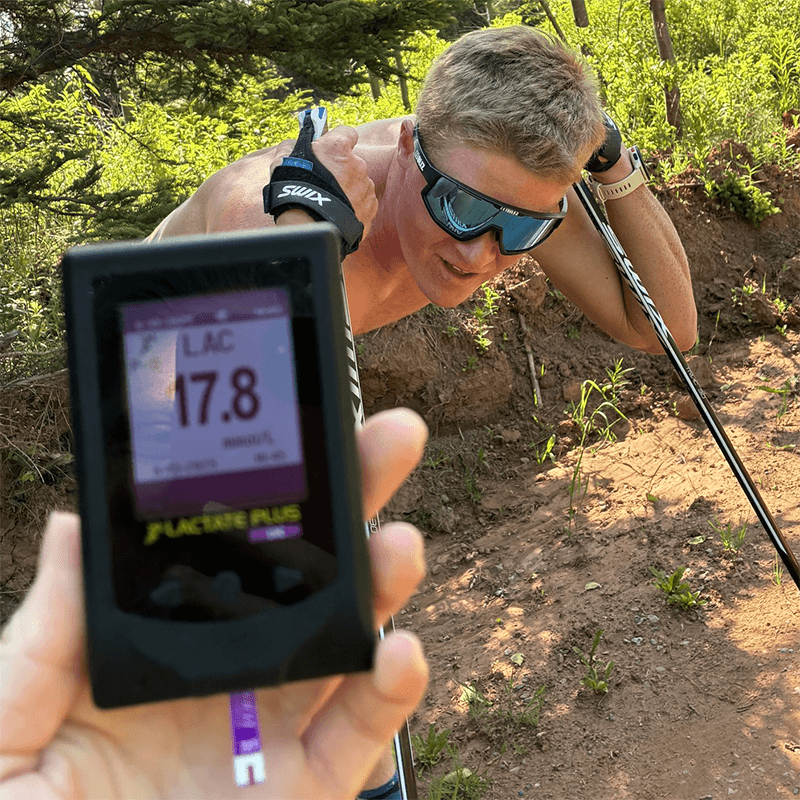
This article was made possible through the generous support of our voluntary subscribers.  If you would like to see more articles like this one, please support FasterSkier with a voluntary subscription.   In the mid-90s, I began doing extensive lactate testing with the athletes I coached. For about ten years, I collected data before eventually abandoning the practice. Why? Because the results raised more questions than answers. Lactate values varied greatly from day to day, and the...

High Intensity Training

This article was made possible through the generous support of our voluntary subscribers.  If you would like to see more articles like this one, please support FasterSkier with a voluntary subscription.   We live in the information age where a tremendous amount of training information is available. When it comes to that information, much of it is biased, hyped, or stripped of context for each athlete’s individual physiology. New trends come and go, often pushed more by...

A Common Question

This article was made possible through the generous support of our voluntary subscribers.  If you would like to see more articles like this one, please support FasterSkier with a voluntary subscription.   “Starting out, it is difficult to train at L1–2. The unfit blows right through just shuffling on the flats. Any insight on how the rank novice can gain enough fitness to begin varying the level of effort?” Submitted by a FasterSkier reader, this is the...

If I Knew Then What I Think I Know Now — Or Has Training Really Changed That Much?

This article was made possible through the generous support of our voluntary subscribers.  If you would like to see more articles like this one, please support FasterSkier with a voluntary subscription.   I want to highlight a comparison between how we trained in the late 1970s and 80s, and what we now consider best practices. I’ve reviewed some old training logs to refresh my memory, though with time, those memories fade. I started unstructured training around the...

Training Philosophy: Building, Not Breaking Down

I regularly share my thoughts on training through various social media platforms. My goal is always to spark discussion and share insight from decades of experience and study. But what I’ve noticed over time is that people often read between the lines and make erroneous assumptions that simply aren’t accurate. Some suggest I don’t value high training volume. Others think I advocate only for easy training or that I always train in 2-3 day blocks....

Is SafeSport—and U.S. Ski and Snowboard’s MAAPP Protocol—Actually Working?

This article was made possible through the generous support of our voluntary subscribers.  If you would like to see more articles like this one, please support FasterSkier with a voluntary subscription.   In March of this year, an alpine coach from a Colorado based ski club—a club that encompasses all U.S. Ski & Snowboard (USSS) disciplines—was reported for abusing a nine-year-old child during a post-season training camp in Taos, New Mexico. The club promptly reported the coach...

The Vasaloppet Experience

This article was made possible through the generous support of our voluntary subscribers.  If you would like to see more articles like this one, please support FasterSkier with a voluntary subscription.   In 2021, our family decided to do the 2022 Vasaloppet, marking the 100th anniversary of this iconic event. That meant setting an alarm for 1:30 a.m., firing up the computer, and scrambling to grab a spot as the Vasaloppet website went live. With 15,800 entries...

US Ski and Snowboard Level 100 Mandate—A Closer Look

This article was made possible through the generous support of our voluntary subscribers.  If you would like to see more articles like this one, please support FasterSkier with a voluntary subscription.   U.S. Ski & Snowboard (USSS) has mandated that to be eligible to attend USSS events, all member coaches must be Level 100 Certified. According to USSS, the goal of the Level 100 Cross Country Ski Coach Education is to provide new and developing coaches with...