

Skiing is often celebrated for the thrill of carving turns on fresh powder and the endurance needed to spend hours on the trails. But what happens once the skis come off is just as important. Nutrition and recovery play a huge role in sustaining energy, preventing injury, and ensuring you’re ready to perform again the next day. For many skiers, what they eat and how they rest in the lodge can make or break the season.
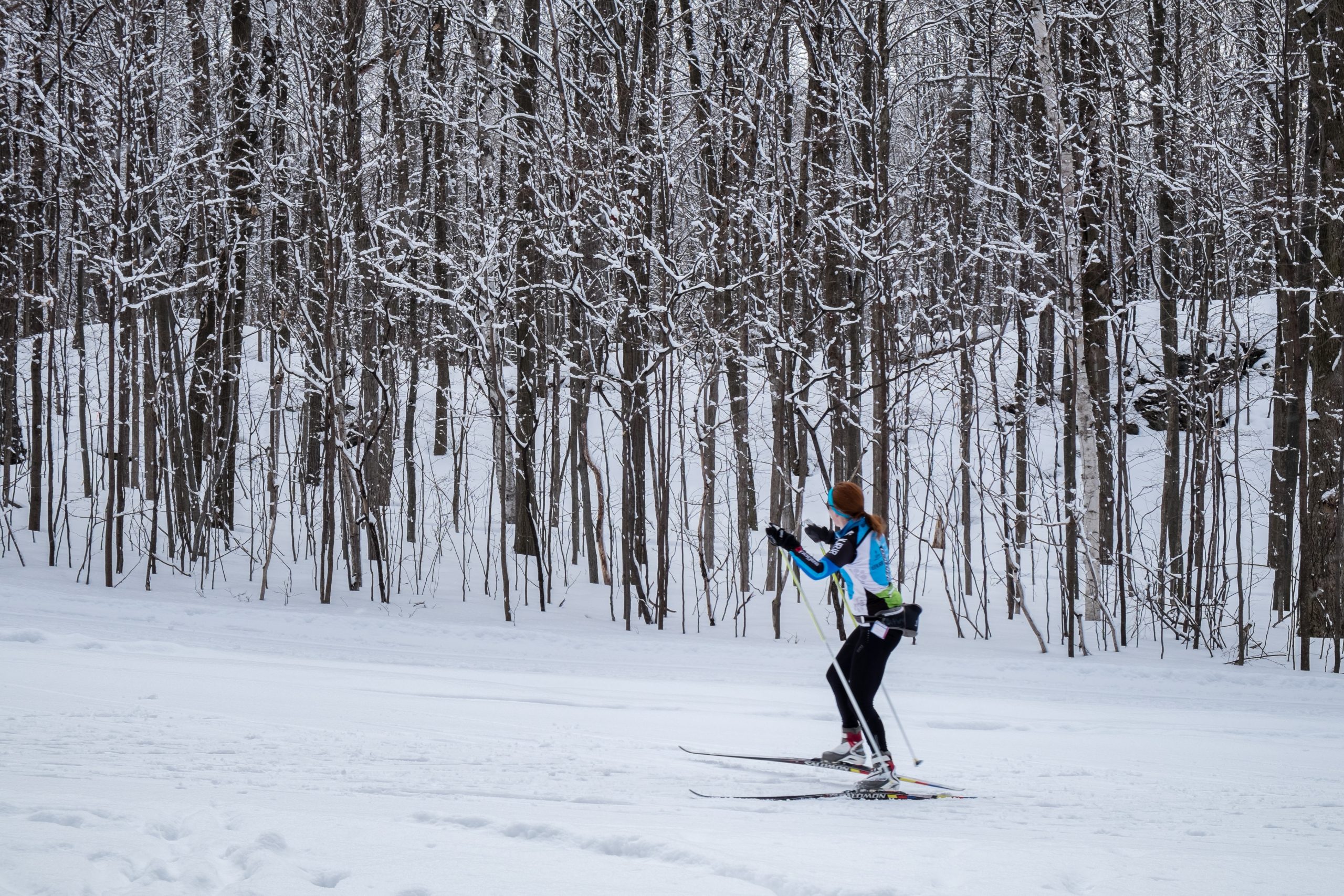
Fueling Up After a Day on the Trails
Skiing is a full-body workout that demands both explosive power and sustained endurance. By the time you return to the lodge, your muscles have depleted much of their stored glycogen, and your body needs fuel to repair and recharge.
- Carbohydrates: Essential for restoring energy. Opt for whole grains, roasted vegetables, or hearty pasta dishes.
- Protein: Repairs muscles stressed by the day’s activity. Lean meats, eggs, and beans are good choices.
- Fats: Healthy fats like avocado, nuts, and olive oil help with sustained energy release.
A well-stocked kitchen is essential for skiers who want to maintain their peak performance. That’s why many lodges and mountain homes make space for reliable appliances, such as a Liebherr fridge freezer in Australia, which is known for preserving both fresh produce and prepared meals in peak condition.
Hydration Is More Than Just Water
Cold weather often masks dehydration. Skiers lose fluids through exertion and altitude, but don’t always feel thirsty. Proper hydration extends beyond simply drinking water — it also includes electrolytes to maintain bodily balance. Soups, herbal teas, and electrolyte-rich drinks can all help with recovery.
Tips for Staying Hydrated:
- Drink a glass of water before hitting the slopes.
- Sip fluids throughout the day, not just when you feel thirsty.
- Include hydrating foods such as fruits and soups in lodge meals.
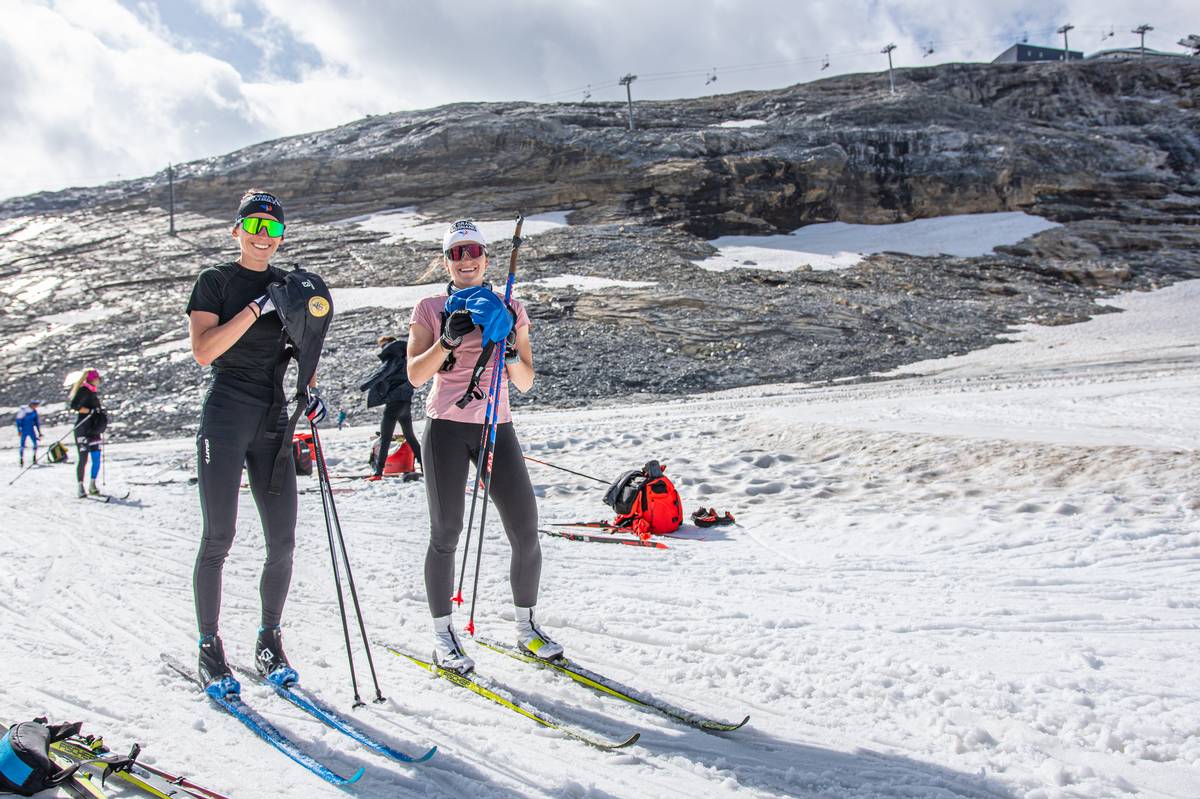
The Role of Recovery Meals
Timing is as important as the food itself. The “golden window” for recovery — within 30–60 minutes of finishing your ski session — is when your body absorbs nutrients most effectively. A balanced snack, such as yogurt with fruit or a sandwich with lean protein, can make the difference between feeling sluggish the next morning and being ready to perform again.
Sleep and Rest: The Overlooked Performance Boost
It’s easy to get caught up in the social atmosphere of lodge life, but cutting sleep short undermines recovery. Deep sleep is when your body releases growth hormone, essential for muscle repair and energy replenishment.
To improve sleep after a ski day:
- Avoid heavy meals too close to bedtime.
- Reduce screen time in the evenings to allow natural melatonin production.
- Create a comfortable sleep environment with minimal noise and consistent room temperature.

Stretching and Active Recovery
Recovery isn’t only about food and rest. Light stretching, yoga, or even a short walk around the lodge can prevent stiffness and aid circulation. Skiers who build in 15–20 minutes of stretching after their day often find they’re less sore and more agile the next morning.
Creating the Right Lodge Lifestyle
Performance isn’t just about what happens on the slopes. It’s the result of consistent choices in the lodge — from how you store your food, to when you eat, to how you unwind before bed. Nutrition and recovery routines create the foundation that allows skiers to push harder, enjoy longer days on the mountain, and reduce the risk of injury.
When lodge life supports recovery, skiing becomes more than a sport — it’s a sustainable lifestyle. And for anyone serious about getting the most out of every run, the hidden side of performance is just as important as the visible one.

Press Release
Publishing press releases is a service we offer to the ski community, so please note these articles are not written by FasterSkier and therefore do not necessarily represent our thoughts and standards.