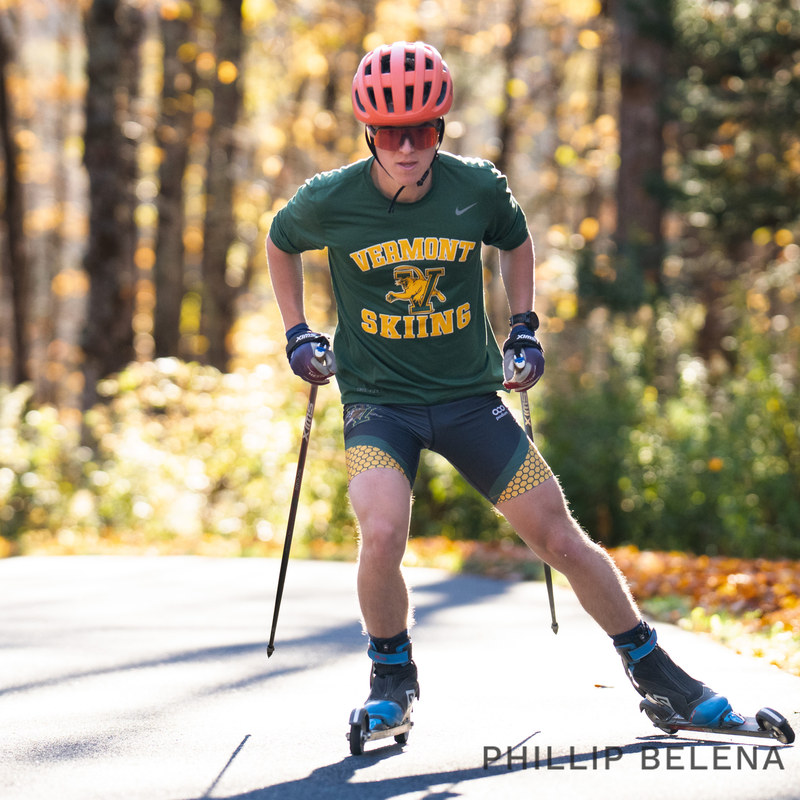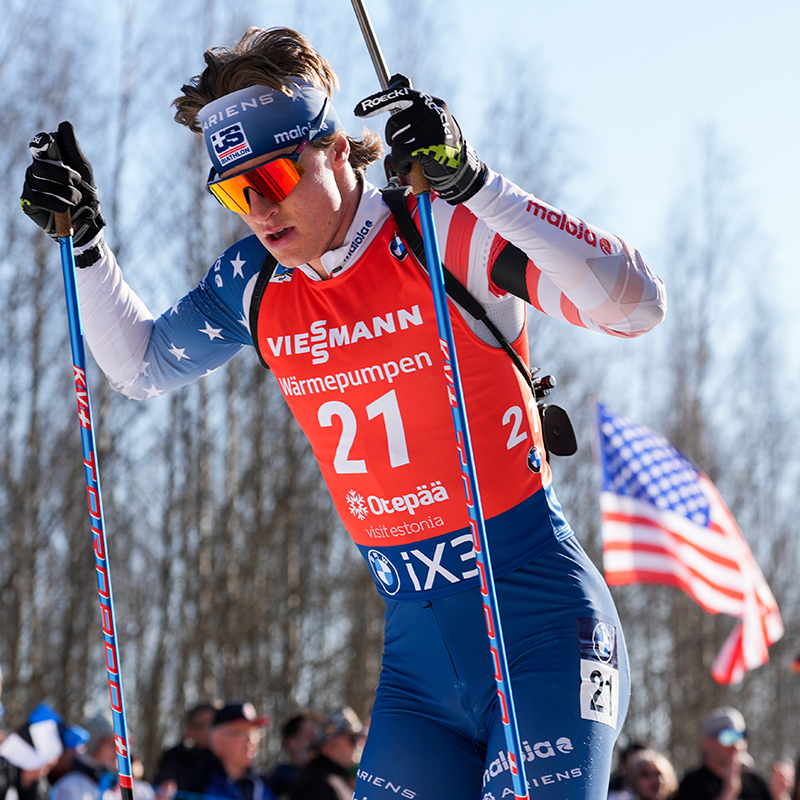

For many high school cross-country ski racers, fall is filled with soccer practices or long cross-country runs. These sports build endurance, speed, and competitiveness—but skiing requires an additional set of skills. Transitioning from fall sports to ski season means making smart adjustments so athletes don’t just carry fitness into the winter but arrive with ski-specific readiness.
We spoke with several EISA coaches about what young skiers should focus on as the leaves fall and the snow approaches.
Keep the Aerobic Engine Running
Soccer and cross-country running already provide a strong foundation in aerobic training. However, once the fall season hits full swing, many athletes cut back drastically on their training volume—a mistake that coaches caution against.
“The key is consistency and a little bit of planning,” says Annika Martell, recently appointed Nordic Head Coach at St. Michael’s College. “The huge and random sessions in October and November might not provide as much value as consistent roller skiing or running, where it fits in the athletes’ weekly schedule. Athletes who stay in a rhythm will transition to snow much more smoothly.”
Maintaining three to five aerobic sessions per week helps ensure that all the hard-earned fall fitness carries seamlessly into ski season.
Build Ski-Specific Strength
Running and soccer strengthen the legs, but skiing relies heavily on upper-body power and core stability. Coaches recommend carving out at least two sessions per week for ski-specific strength training.
“Adding focused strength sessions to your training gives the multisport athlete the best opportunity for success in each season,” says Steve Monsulick, former Bates College runner and skier and now Head Nordic Coach at Williams College. “Creating workouts that include upper body, core, and lower body exercises will pay off huge when winter rolls around.”
Even short sessions—such as 20 minutes of core work or a mix of push-ups, pull-ups, and lunges—can make a significant difference. Strength not only enhances ski performance but also helps prevent injuries as the season progresses.

Sharpen Balance and Agility
Skiing is not done on a flat, predictable surface—it’s about efficiency on slippery, changing terrain. Balance and agility drills prepare athletes for that challenge.
Simple routines, such as single-leg squats, side-to-side hops, or time spent on a slackline or wobble board, can sharpen coordination.
“Balance and body awareness are fundamental to success on skis,” explains Shane MacDowell, Head Nordic Coach at the University of New Hampshire. “For athletes to maximize their balance, they must understand how their body feels and moves through space.”
MacDowell notes that skiing balance begins in the feet and ankles. Proper ankle flexion and weight distribution allow athletes to channel energy efficiently into the ski, creating what he calls “free speed”—momentum generated when pressure transfers smoothly through the foot and into the ski between kicks or strides—the result: a more powerful glide and fluid, efficient technique.

Dial in Technique Before the Snow
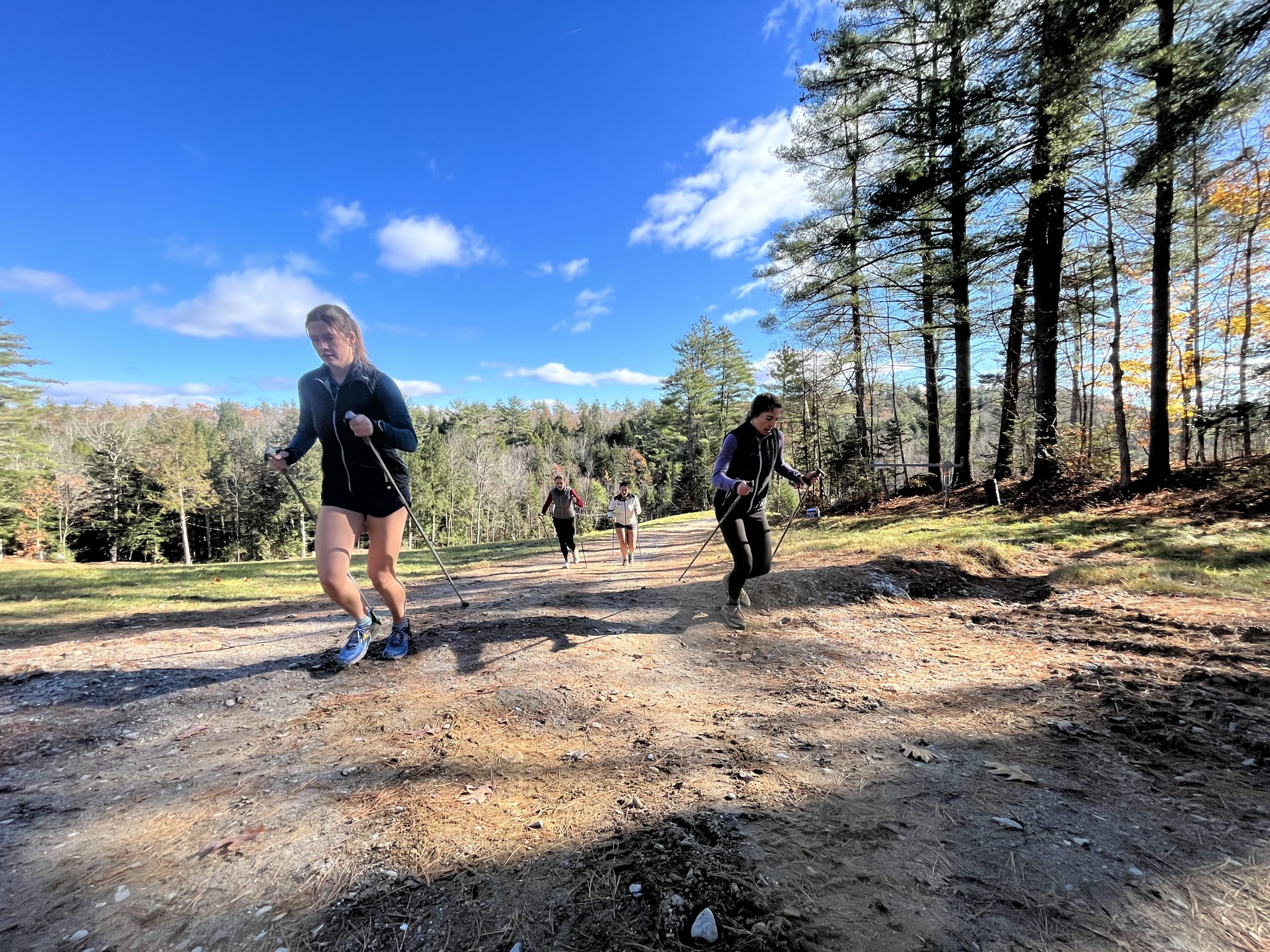
Dryland training is the perfect time to refine technique. Even one rollerski session a week helps athletes practice timing, pole use, and weight transfer. Bounding uphill with poles on grass is another effective way to mimic skiing motion.
“We’ve all heard that it takes 10,000 repetitions to engrain a habit; ski technique is no different,” says MacDowell. “It’s much more beneficial to work on technique and engrain good habits over the summer and fall so your body is ready once race season comes.”
Prioritize Recovery
Finally, coaches emphasize recovery—something often overlooked by busy high school athletes balancing sports, school, and social lives.
“High schoolers don’t always think about recovery year-round,” Martell says. “Racing fast in February doesn’t mean just prioritizing sleep the night before the big race; October sleep and recovery also matter to keep the body sharp.”
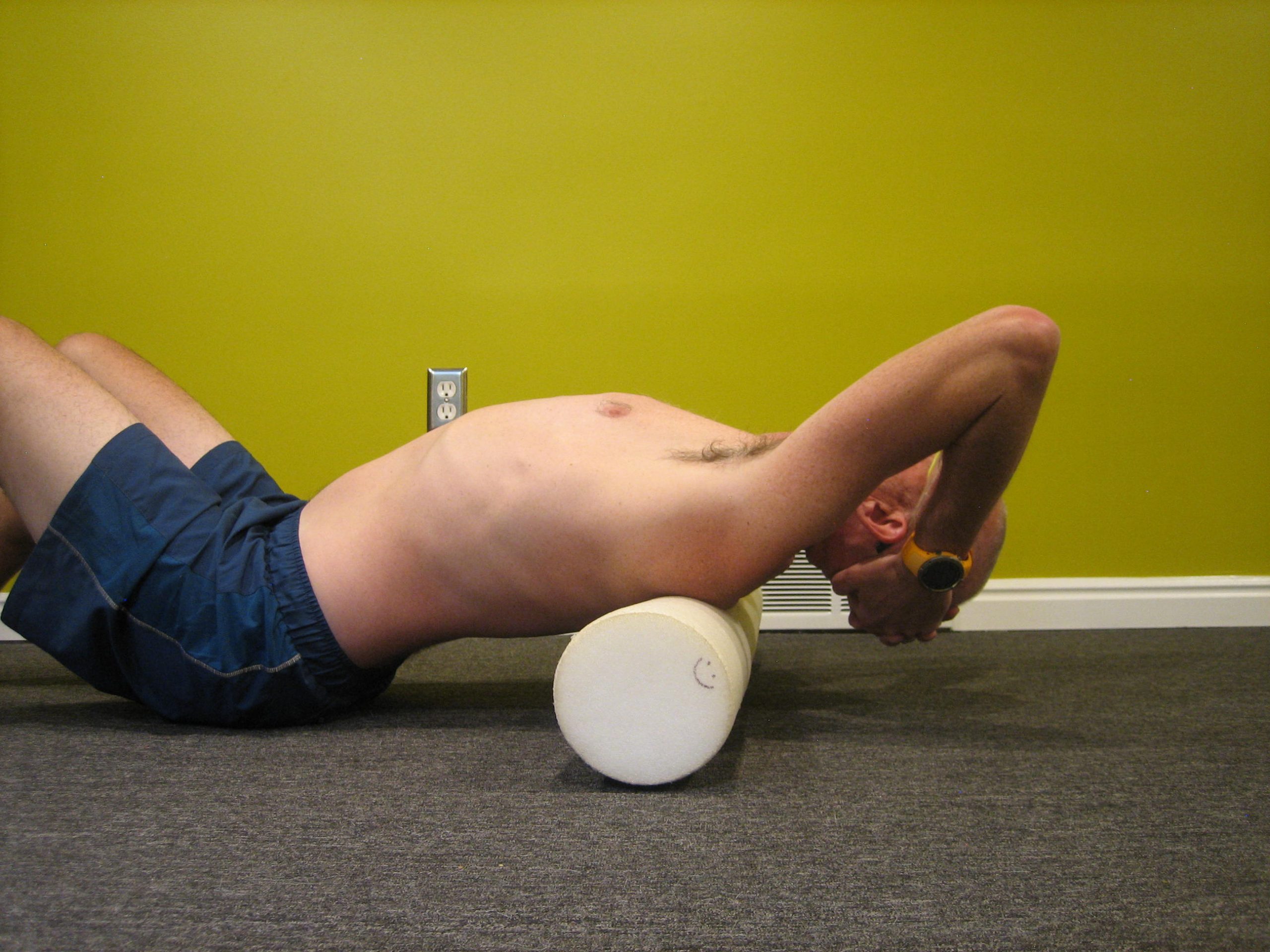
Foam rolling, stretching, and good nutrition all support recovery as new muscle groups are stressed. Because skiing demands far more upper-body engagement than soccer or running, arriving rested and healthy helps prevent early-season soreness from becoming setbacks.
The Bottom Line
Fall sports give ski racers a big head start: strong aerobic engines, powerful legs, and sharp competitive instincts. But skiing rewards those who also train ski-specific strength, balance, technique, and recovery.
As Monsulick puts it:
“You can’t just run your way into ski season. At the higher levels, skiing is a year-round sport that requires a focus on strength throughout the year. Athletes who make these additions while participating in other sports will be well-positioned for success come January.”
With the first snow just around the corner, now is the time to bridge the gap—so when the tracks are set, skiers are ready to glide right into them.

Matthew Voisin
As owner and publisher of FasterSkier, Matthew Voisin manages the day-to-day operations, content, and partnerships that keep the site gliding smoothly. Away from the desk, he’s doing his best to keep pace with his two energetic sons.