 This World Cup coverage is made possible through the generous support of Marty and Kathy Hall and the A Hall Mark of Excellence Award. To learn more about A Hall Mark of Excellence Award or to learn how you can support FasterSkier’s coverage please contact info@fasterskier.com.
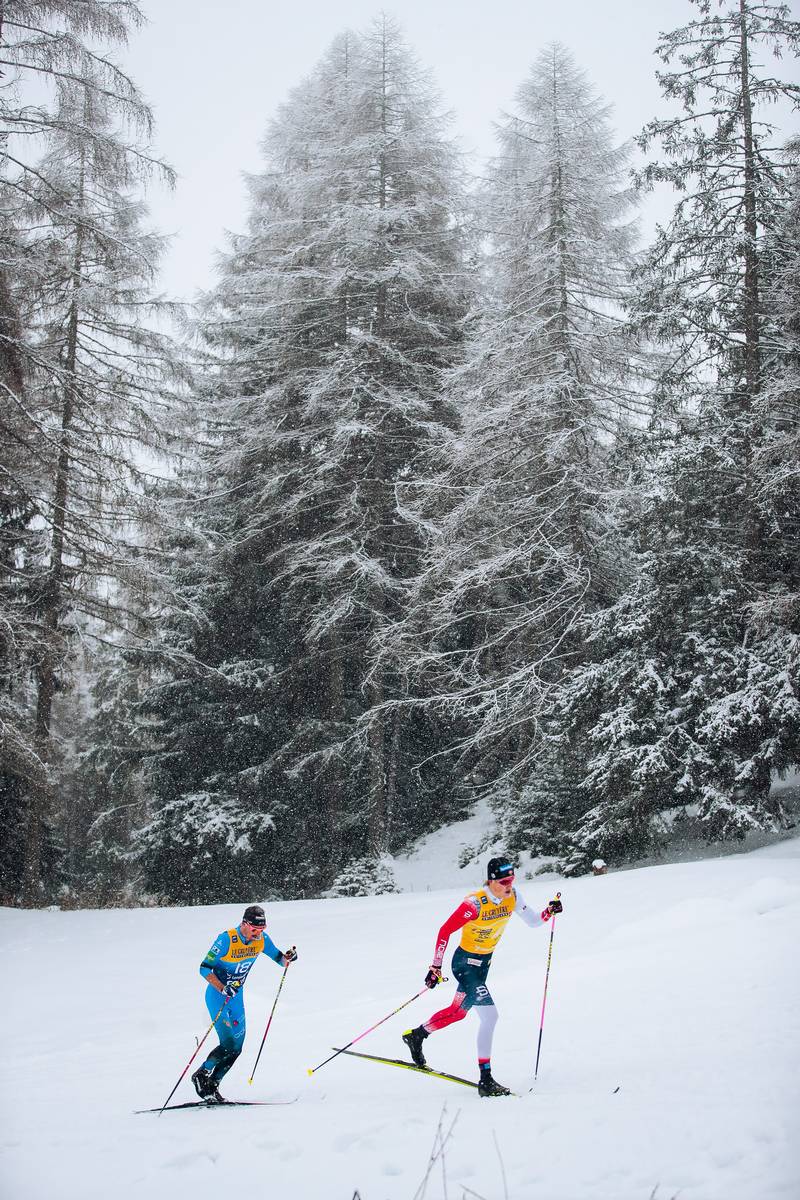
Lenzerheide, Switzerland was tucked into a snow globe today, as snow fell steadily in fat flakes throughout the races. The wax technicians had their work cut out for them as they prepared skis for the second stage of the 2021/22 Tour de Ski, a 15-kilometer interval start classic.
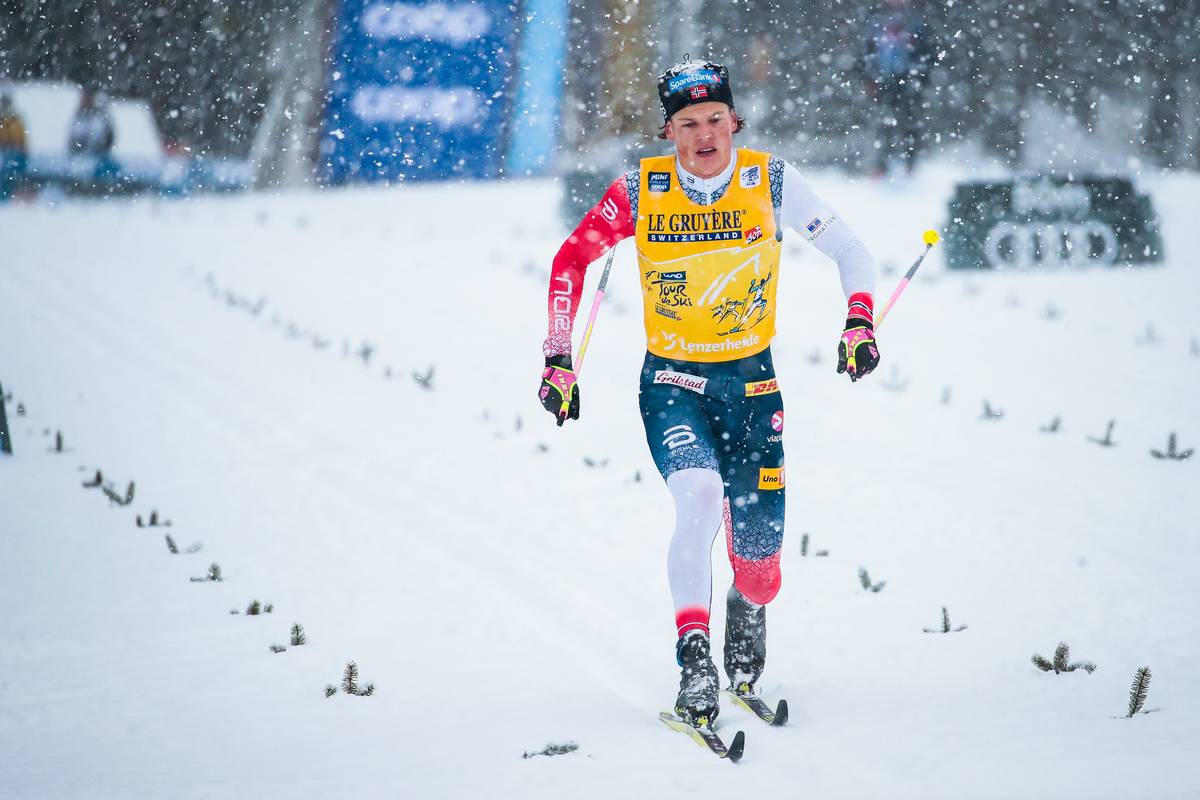
With the seeded group of podium favorites starting in bibs 30-50, there was time for athletes to learn how the course was skiing. Among these favorites, Johannes Høsflot Klæbo (bib 42) was looking to maintain good standing in the Tour, building on his top finish in yesterday’s freestyle sprint. In the 2019-2020 Tour de Ski, his last appearance after sitting out last year’s Tour for COVID-19 concerns, Klæbo finished in 10th in the 15k classic stage.
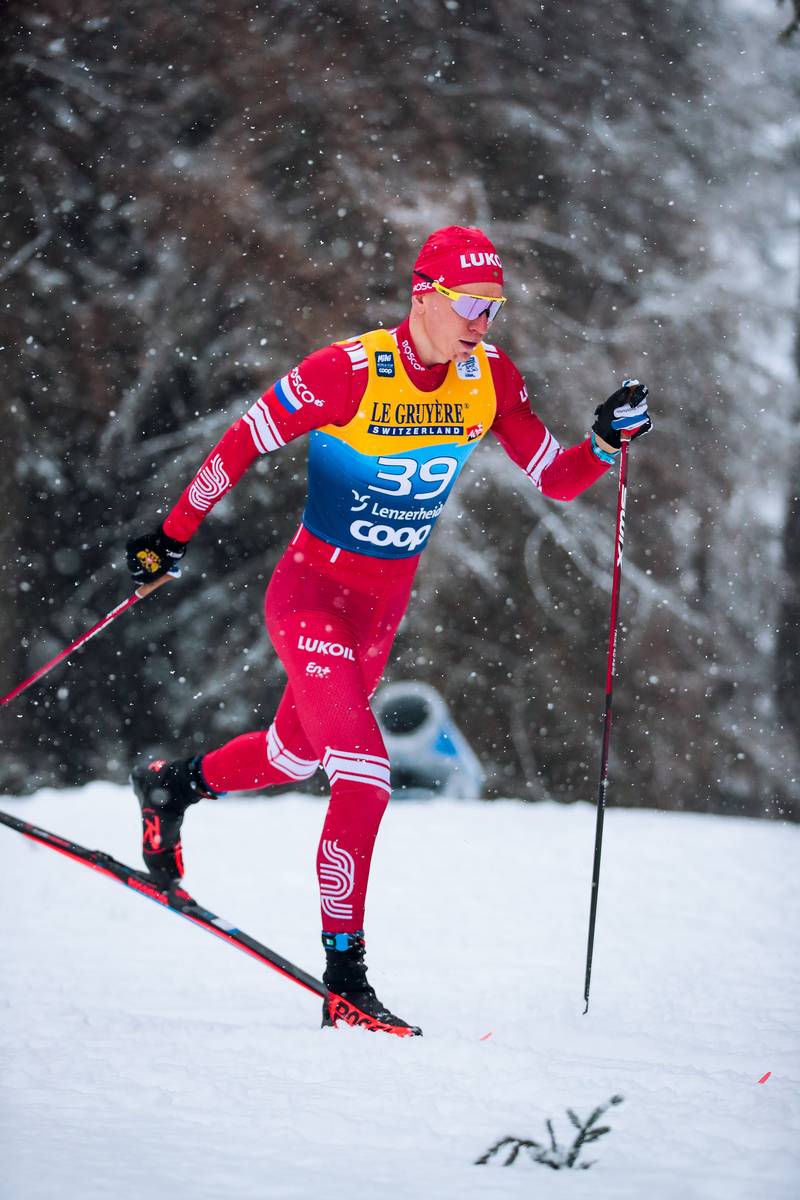
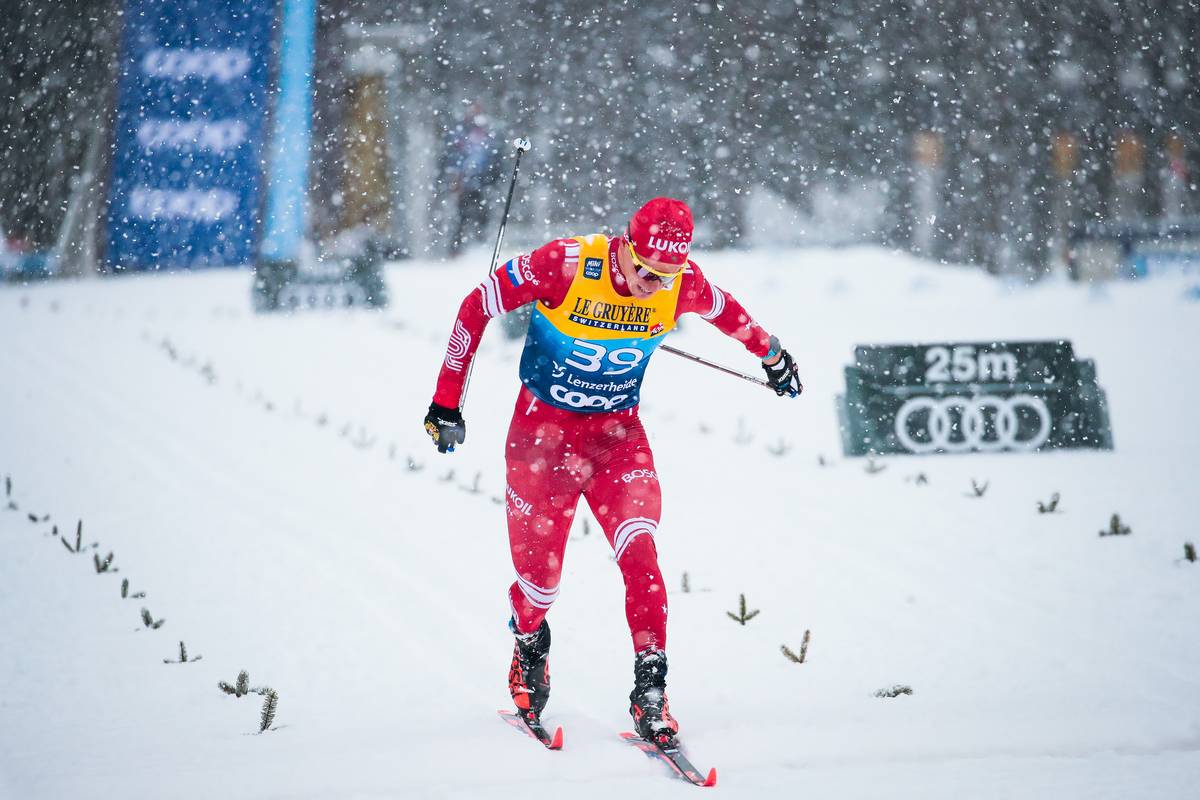
Winner of the last two iterations of the Tour de Ski and back-to-back World Cup overall champion, Russian Alexander Bolshunov has had an unprecedented start to the season, with results well below what were anticipated, possibly due to health challenges he’s faced this year. Bolshunov was knocked out in the quarterfinal of yesterday’s sprint, finishing 17th, and has not been on the podium in an individual event since the opening World Cup weekend in Ruka.
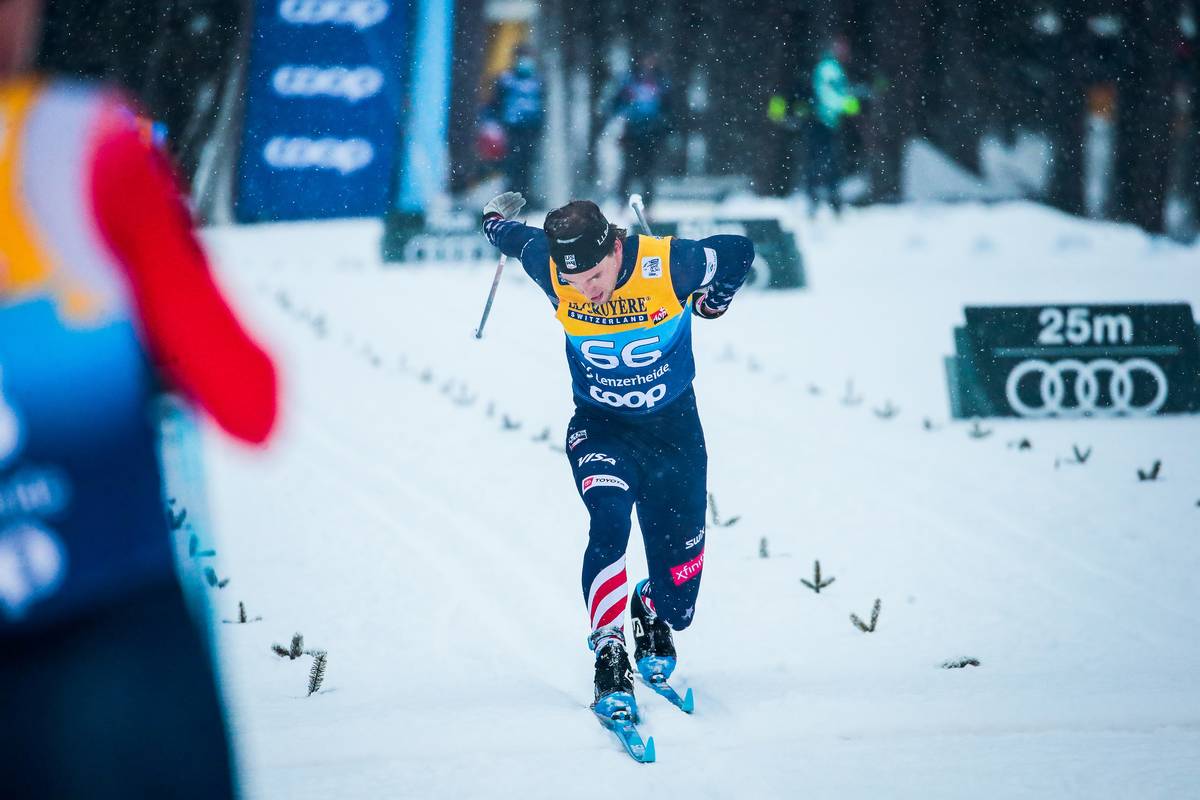
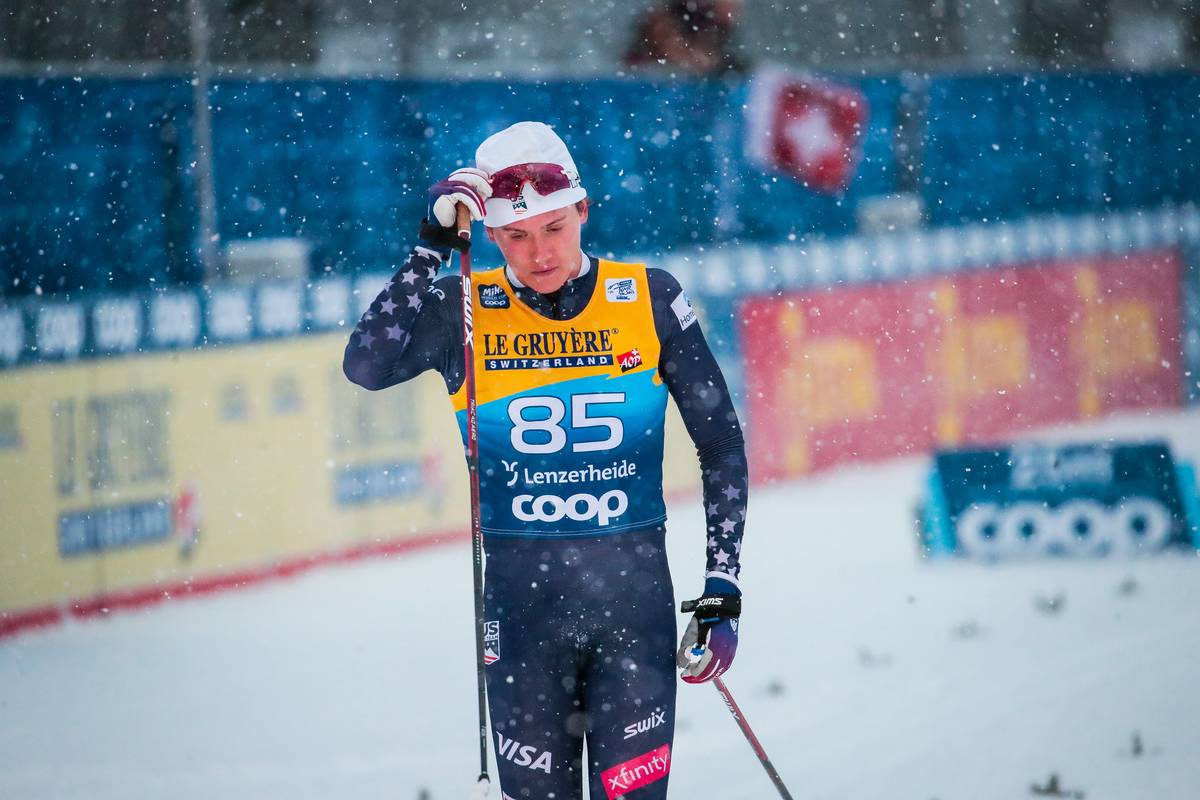
The Americans were looking to build upon solid results yesterday, where they put three men in the Top-30 overall. Kevin Bolger was the top finisher in the sprint, placing 16th overall, after qualifying 9th. Ben Ogden finished in 21st overall, after qualifying 5th, and Logan Hanneman ended his day in 25th overall.
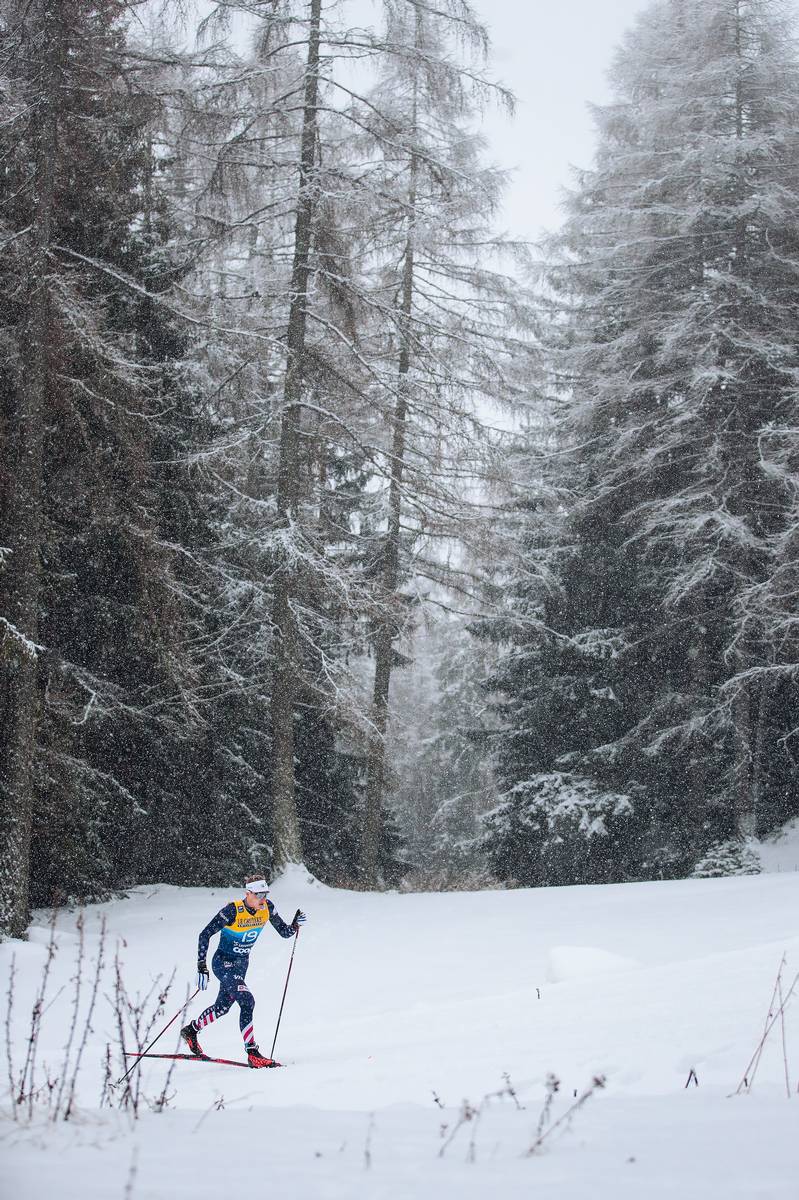
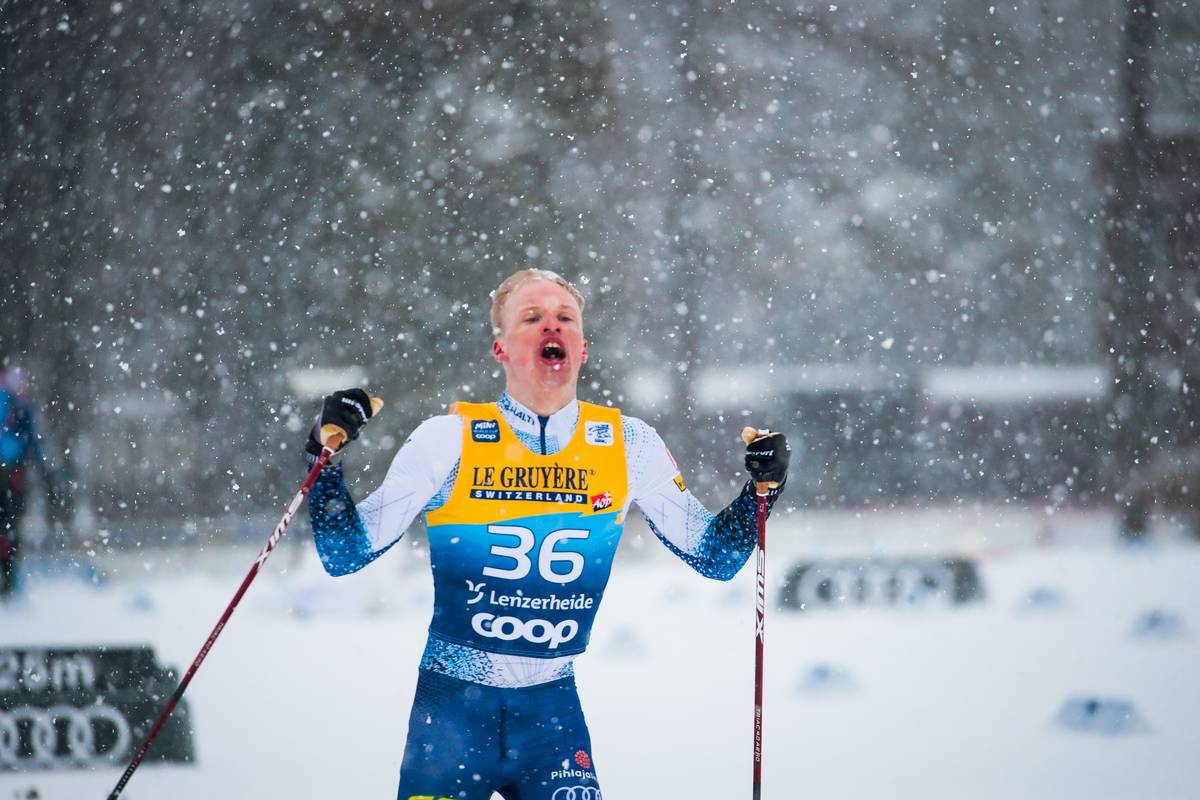
As the seeded group time trialed through the snow, it was Iivo Niskanen in bib 36 who set the bar at the 5.8k mark, leading a group of Norwegians and Russians. Bolshunov (+11.1) came through in 2nd (+11.1) with five Norwegians in tow, namely, Erik Valnes (+16.7), Pål Golberg(+18.6), Simen Hegstad Krüger (+20.9), Klæbo (+22.1), and Martin Løwstrøm Nyenget (+22.8).
Gus Schumacher was the top American in 37th (+59.2) at the 5k, with Ogden not far behind in 41st (+1:03.9).
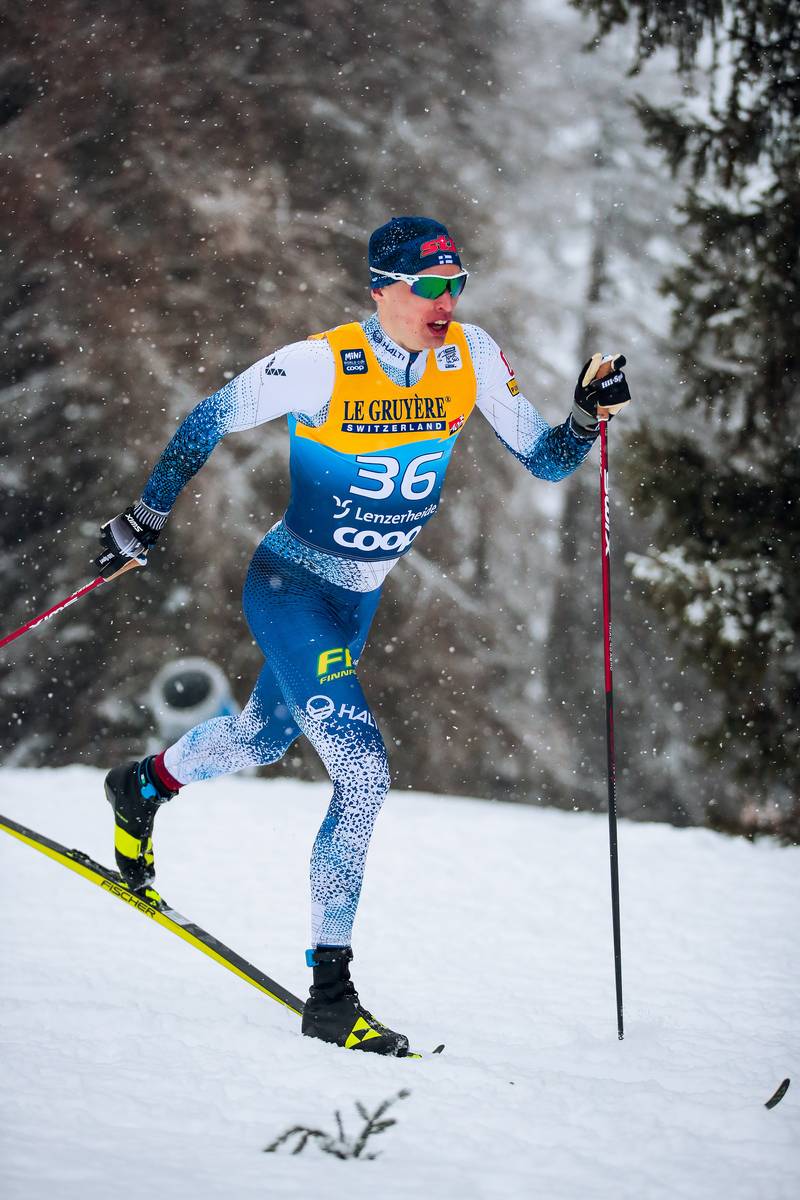
With snow continuing to fall and tracks beginning to disappear, some athletes began to favor double pole to striding. Conditions didn’t seem to slow down Niskanen as at the 10k mark he was able to grow his lead over the pack. Bolshunov was still in second (+15.7), looking back on form and in contention for the podium. Goldberg was in 3rd (+28.4), with Klæbo sitting just off the podium in 4th (+33.3).
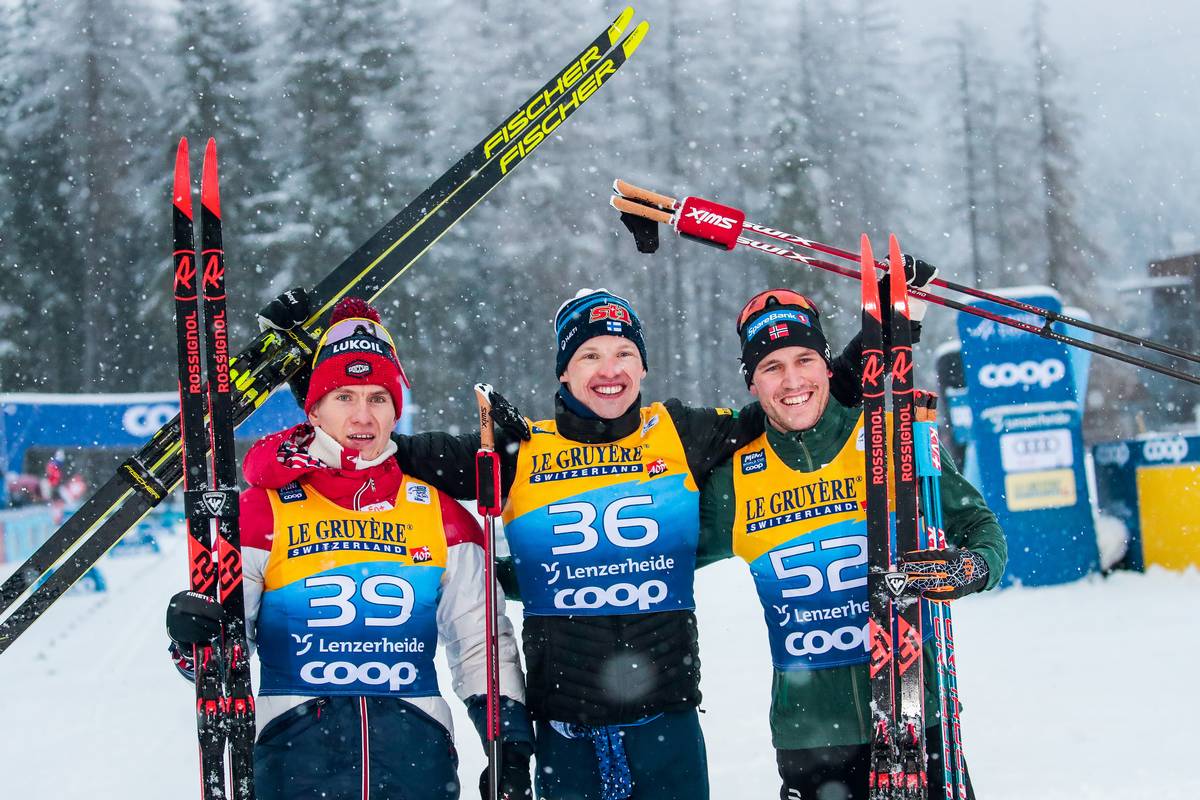
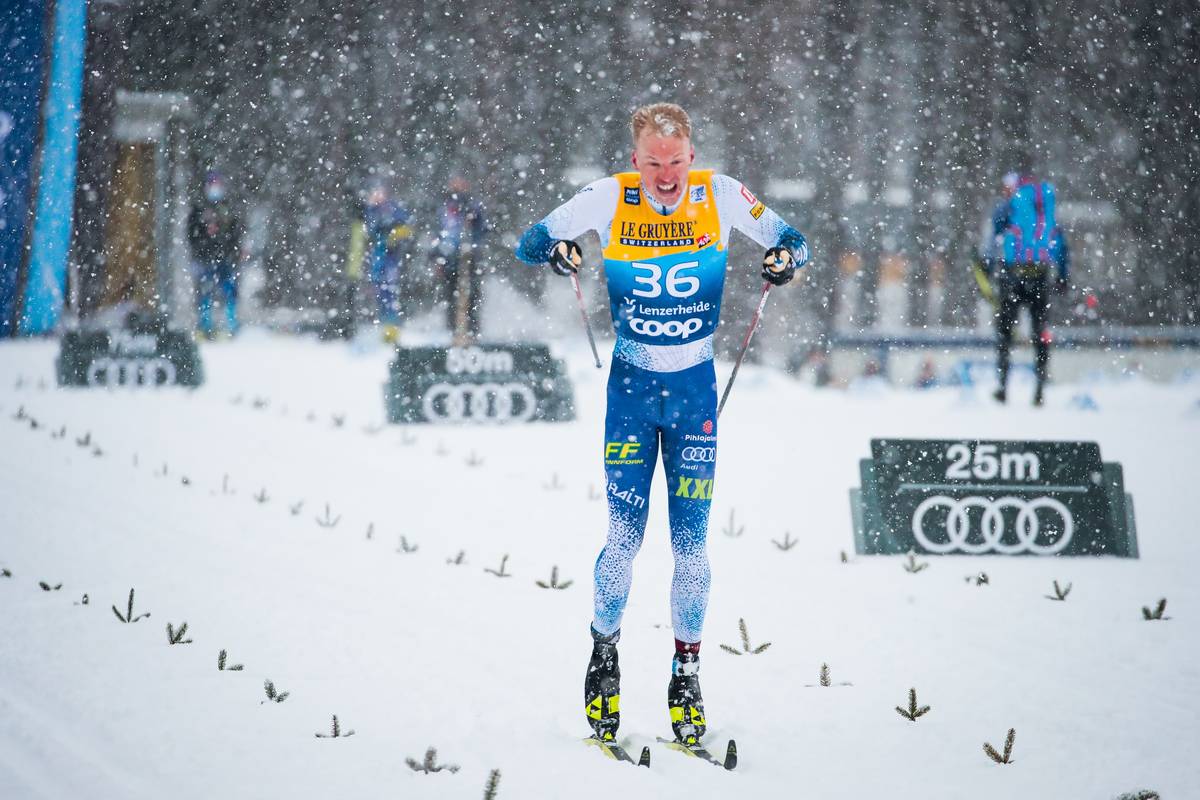
Thriving in his signature event, Niskanen continued to set the bar at each checkpoint to take the win in 32:51.7, making it a family sweep with his sister, Kerttu, winning the women’s race. This is Niskanen’s seventh World Cup victory, each of which has been in the 15k classic. He’ll be one to watch in the event at the upcoming 2022 Olympics, where he’ll be looking to add a third gold medal to his collection. Niskanen won the 50k classic in 2018 and was a member of the winning classic team sprint duo in 2014.
Perhaps a breakthrough after setbacks, Bolshunov held on for second (+19.3), finally earning another individual podium after weeks away. Goldberg was able to hold off his fellow teammate, Klæbo, to finish 3rd (+25.2) and 4th (+34.3) respectively. Yakimushkin (+34.6) couldn’t close the gap on Klæbo in the final meters, finishing just off the Norwegians mark in fifth (+34.6).
After the race, Niskanen told FIS, “I felt quite good… I tried to keep the race slow and steady [at the] start. I actually started too fast. I am happy, it was good also at the end.”