HomeCategory

Training

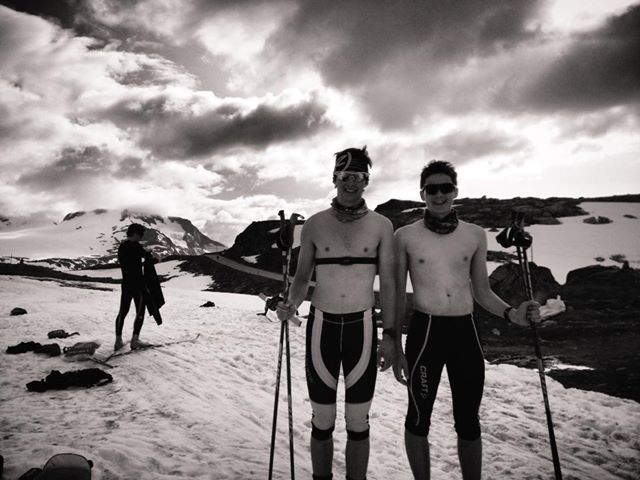
There is really only one way to become a faster skier. Train. We will keep you inspired with training reports from the best around, as well as articles on specific workouts and suggestions on how to improve your own training. Use the links below to view articles in a specific sub-category, or srcoll down to view all Training articles.
The Band is Back Together: Women’s Training Camp Begins in Alaska

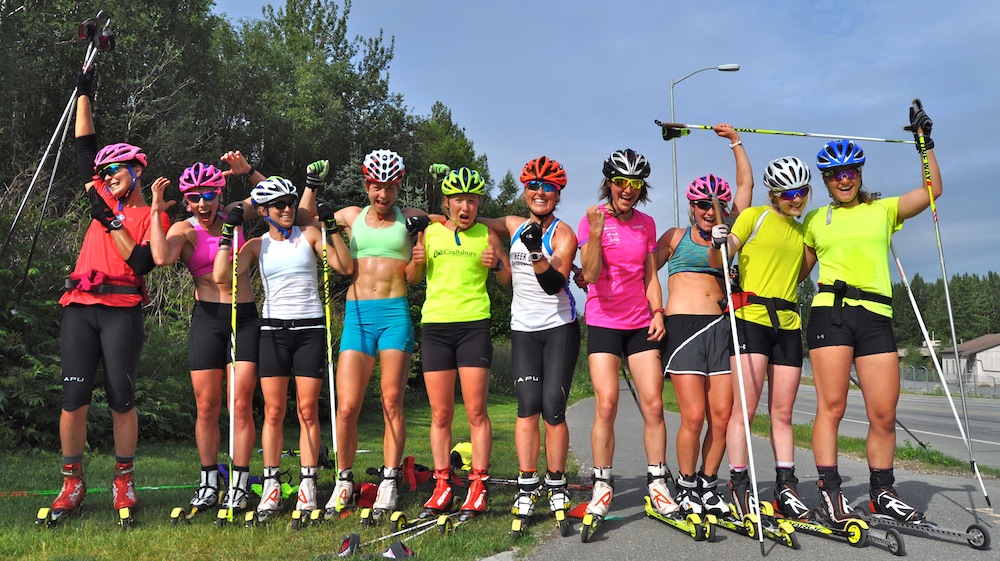
The joint women’s training camp between the U.S. Ski Team and Alaska Pacific University began this week in Anchorage, Alaska, bringing many of the nation’s top female skiers together for the first time in a month along with a few special foreign guests. After a "killer" workout earlier this week, USST women’s coach Matt Whitcomb said training has been going well so far.

Part of the Team, Part III: Female Coaches’ Impact on Teenage Skiers

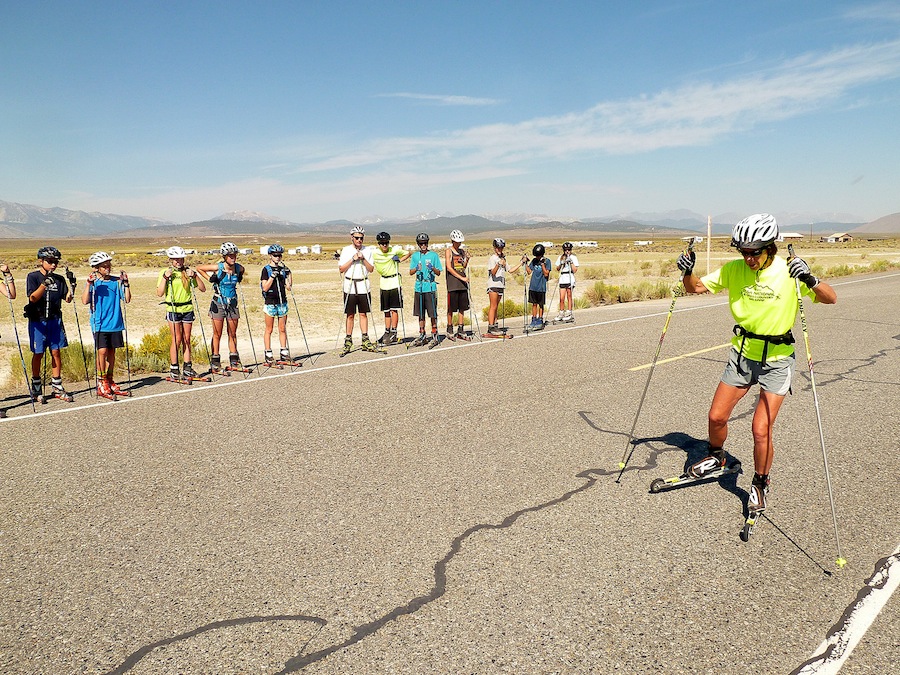
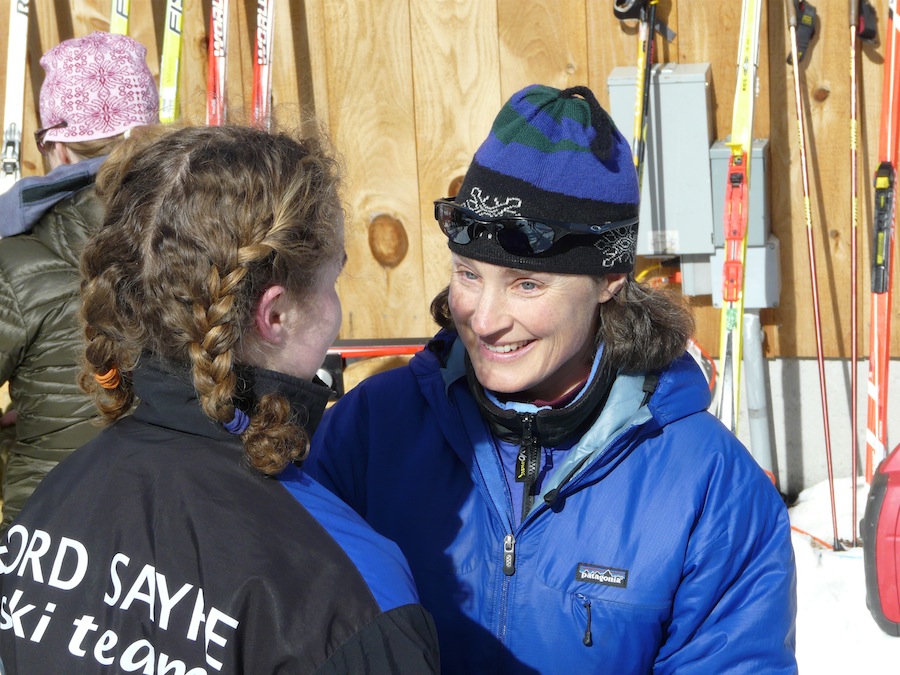
The third chapter in 'Part of the Team: The Impact of Female Coaches in the U.S.' takes a look at female coaches who work with U18 and U16 athletes, the kids who are in the process of choosing nordic skiing over other sports. These coaches are involved with juniors at a critical point in their development, and many discuss how they mentor their skiers and why they've stuck with that level.

Before Olympics, U.S. and Canadian National Teams Train at Both New and Familiar Venues

The first World Cup in Kuusamo, Finland, isn’t until the end of November, but when you start to break down the North American training schedules by camp and month, the off-season suddenly looks much shorter. The Canadian and U.S. national teams will be training in New Zealand, Canmore, Alaska, Truckee, Bend, Lake Placid and Park City at various points between now and when the season begins.

This Month in Journals: Controversy at the Intersection of Doping and Research

This month, the Journal of Applied physiology confronted allegations of scientific misconduct in two cases: one when a study used an athlete who turned out to have been doping, and another when researchers asked participants to use banned methods. The journal invited discussion from many of the scientists involved as well as WADA, with interesting, and antagonistic, results.