 This coverage is made possible through the generous support of Marty and Kathy Hall, and A Hall Mark of Excellence Award. To learn more about A Hall Mark of Excellence Award, or to learn how you can support FasterSkier’s coverage, please contact info@fasterskier.com.
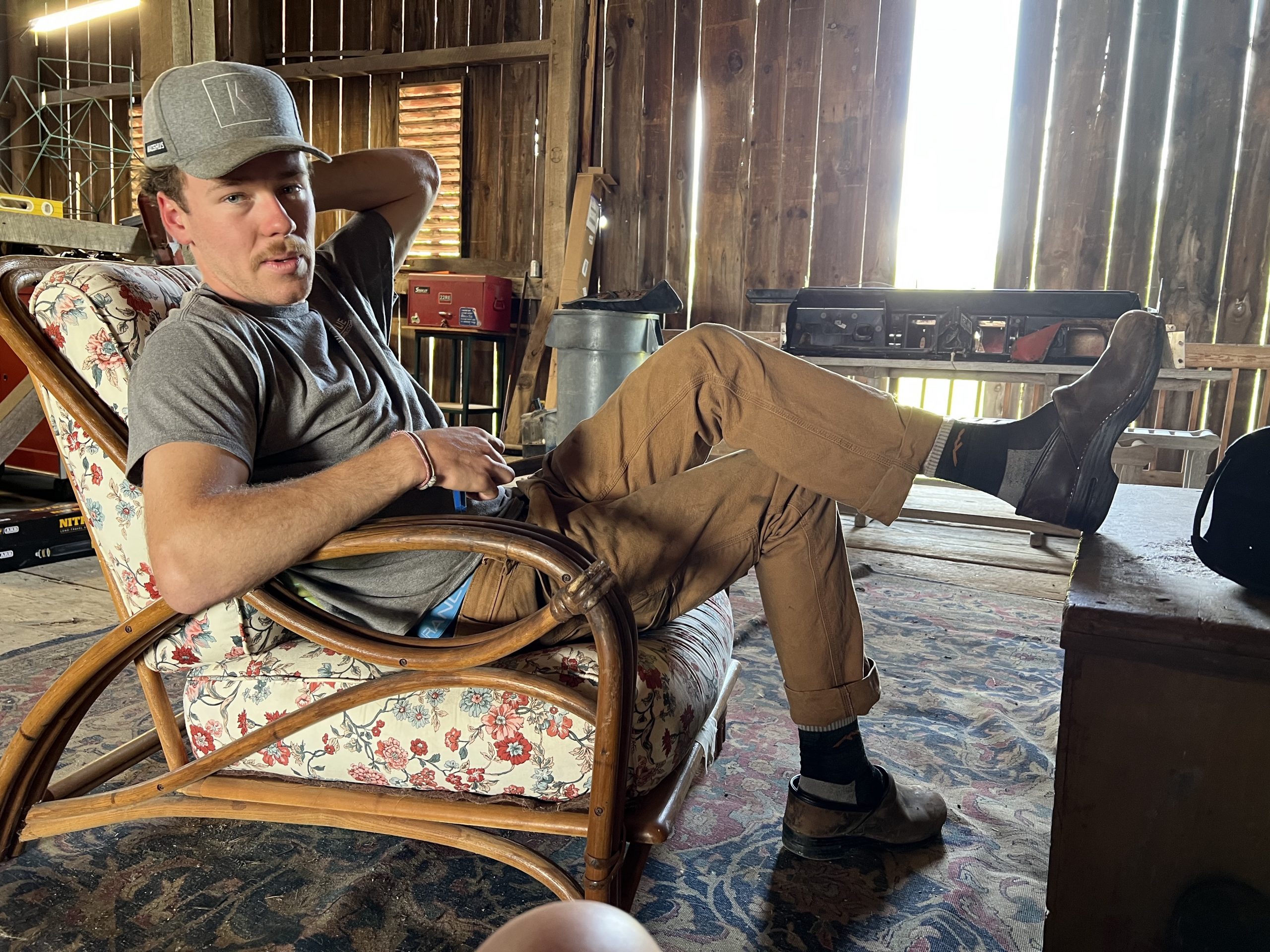
Ben Ogden is in his element . . . in a secluded valley surrounded by tree-covered slopes of Vermont’s Green Mountains, in a barn by the side of a winding dirt road, only a few steps from some of the best training ground in the world, and within arm’s reach of a disembodied jumble of carefully labeled automotive parts. In this bucolic, mechanical, athletic setting, Ben Ogden is at home.
Much of any skier’s success is earned during the summer months: roller skiing, endurance running, technique drills, strength work, intervals, speeds. It’s a season of hard work, of devoted training, of measured efforts, of testing systems and strategies. For Stifel US Ski Team standout, Ben Ogden, it’s also the season of attention to detail, of planning strategies, of refining technique, of identifying subtle weaknesses, of fixing niggling problems, of making something better than before . . . and he’s working on his skiing, too.
Planning and Preparing
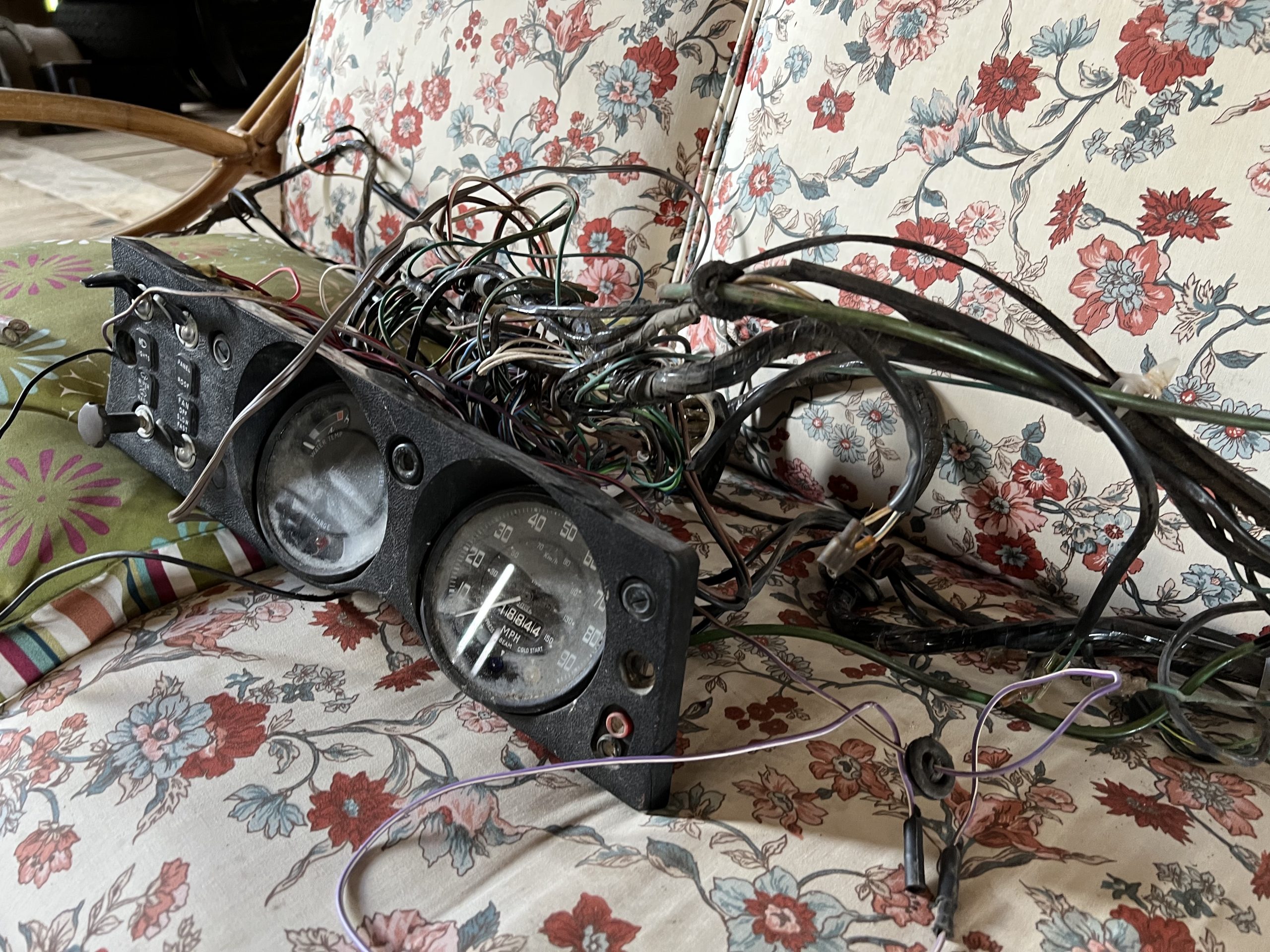
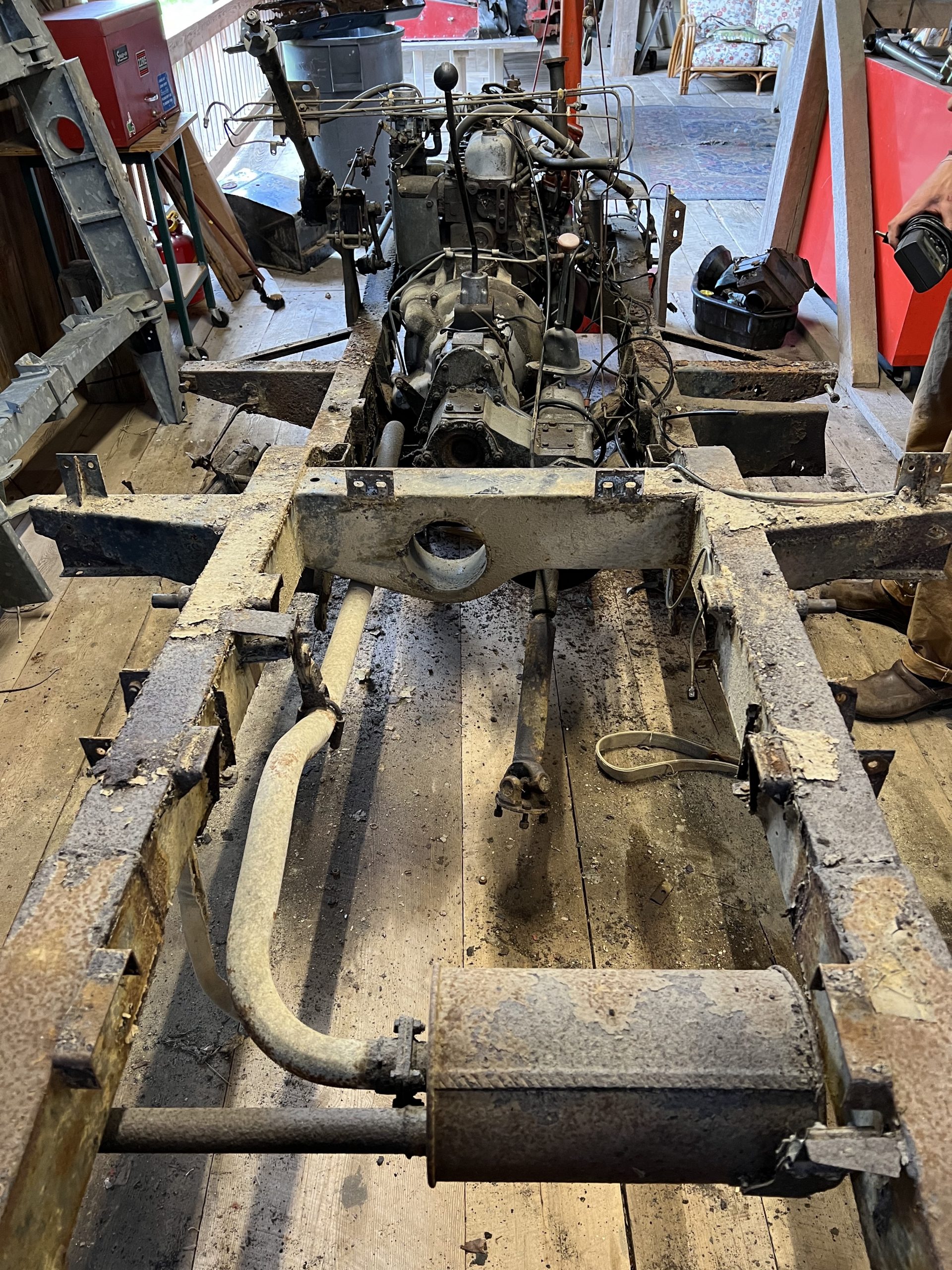
The Ogden family barn sits in a remote corner of Vermont’s Green Mountains. Workshop, storage facility, occasional movie theater, neighborhood gathering place: the barn has stood at the center of Ben Ogden’s life. It still holds much that is dear to him—memories and mementos, tools and tractors—and now the many pieces and parts of a 1973 Series III Land Rover. Ben Ogden is a young man who needs a project, a puzzle, a challenge: the vintage Land Rover is one of them. Right now, it can barely be described as a vehicle. Disembodied body panels line the walls of the barn. A weathered bulkhead stands ready for welding, patches, repairs. A fresh new chassis leans against an adjacent wall, while the skeleton of the vehicle, itself—identifiable only by a raw engine block and a skyward-pointing gearshift lever—occupies the middle of the work space. By Ben’s own admission, this could take a while . . .
“The old way of spending the summer had pretty much run its course for me,” he said. “I’m done with college; my years aren’t measured in semesters and summers anymore. Now skiing isn’t so seasonal; it’s an all-year thing. But, you know, I can’t make my whole life just about skiing.”
And so, work on these Ogden-projects begins. He fills plenty of daylight hours with ski training, but even the most aggressive training plan leaves plenty of other hours unfilled. Ogden manages to fill those hours, himself. “For me, it’s not enough just to do a couple of workouts, then spend the rest of the day in bed,” he said. “It actually might be better for my training if I did, but I’m just not built that way.”
Ogden remains in motion: on his feet, at the task, wrenches in hand, hands addressing the challenge. And he has plenty of challenges to face here in the family barn. Tools are neatly stacked in well-organized drawers, and Land Rover parts—both old and new—are cordoned off in little project areas. Remove each part from the old carcass, learn what it does and how it does it, inspect for continued mechanical viability, replace as necessary. Ben Ogden’s summer is full . . .
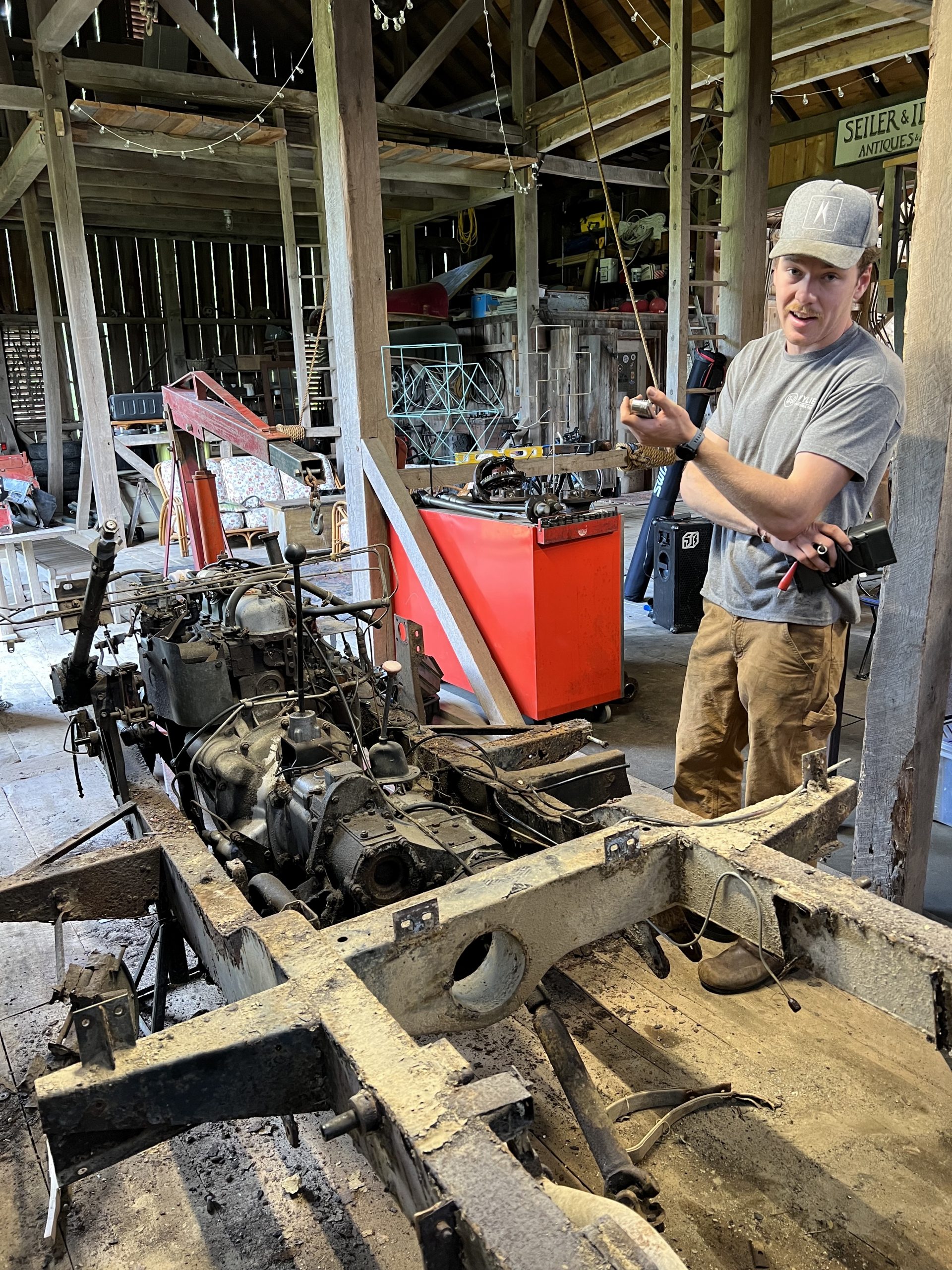
Ogden is already known as a mechanical tinkerer, having achieved a modest amount of fame for his restored vintage Toyota ForeRunner, and his Barbecue wagon that often shows up at events when Ben, himself, is stateside. Last winter in Europe, he traveled with a dog-eared copy of the Haynes Manual (the go-to Land Rover service manual). “I was reading that and getting so fired up for the project,” he said, though admitting that his teammates may have failed to understand his enthusiasm for such esoteric reading material. Either way, he returned home ready to make his Land Rover into a pile of parts, then to be reassembled into a restored 4WD classic.