Jim Galanes on why a training year should change the dose of aerobic, threshold, VO2max, speed and strength work, and never remove any one of them entirely.
This article was made possible through the generous support of our voluntary subscribers. If you value coverage like this, please support FasterSkier with a voluntary subscription. A new study landed in my feed last week, and I will admit the algorithm has my number. It steered me toward a question I have chewed on more than once here at FasterSkier: when it comes to low-intensity training, are you better off concentrating volume into one big week,...
This article was made possible through the generous support of our voluntary subscribers. If you value coverage like this, please support FasterSkier with a voluntary subscription. A Different Equation Masters’ athletes are often told to “train smarter, not harder,” or the current version: “Go easy on the endurance sessions so you can go hard on the intense sessions.” Those phrases get repeated so often they’ve lost context and meaning. But there is a real physiological reason...
It is well known that XC ski racers have to be incredibly “fit” to be competitive. But how do we measure “fitness”? For decades, we’ve known that a high VO2max is necessary to be a competitive ski racer. Training to improve VO2max involves a large volume of training at a low intensity and a comparatively smaller volume of training at a very high intensity. Over the past 20 years, changes in equipment technology, course preparation,...
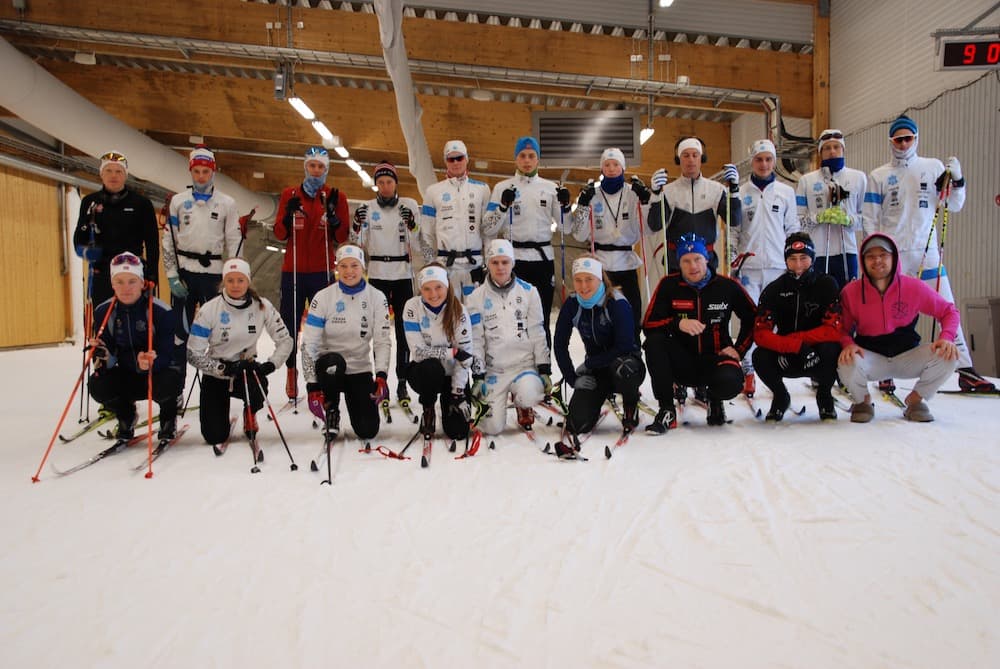
Editor’s Note: The following is the fourth post in a series proposed by Maks Zechel, a 20-year-old Canadian cross-country skier embarking on his first season training abroad. He recently made the big move to Norway, where he’ll be training and racing with Team Asker for the next nine months. Through these updates, Maks hopes to share his personal “observations, stories, and lessons learned” to help close the gap between North American and Scandinavian nordic skiing. Previous...
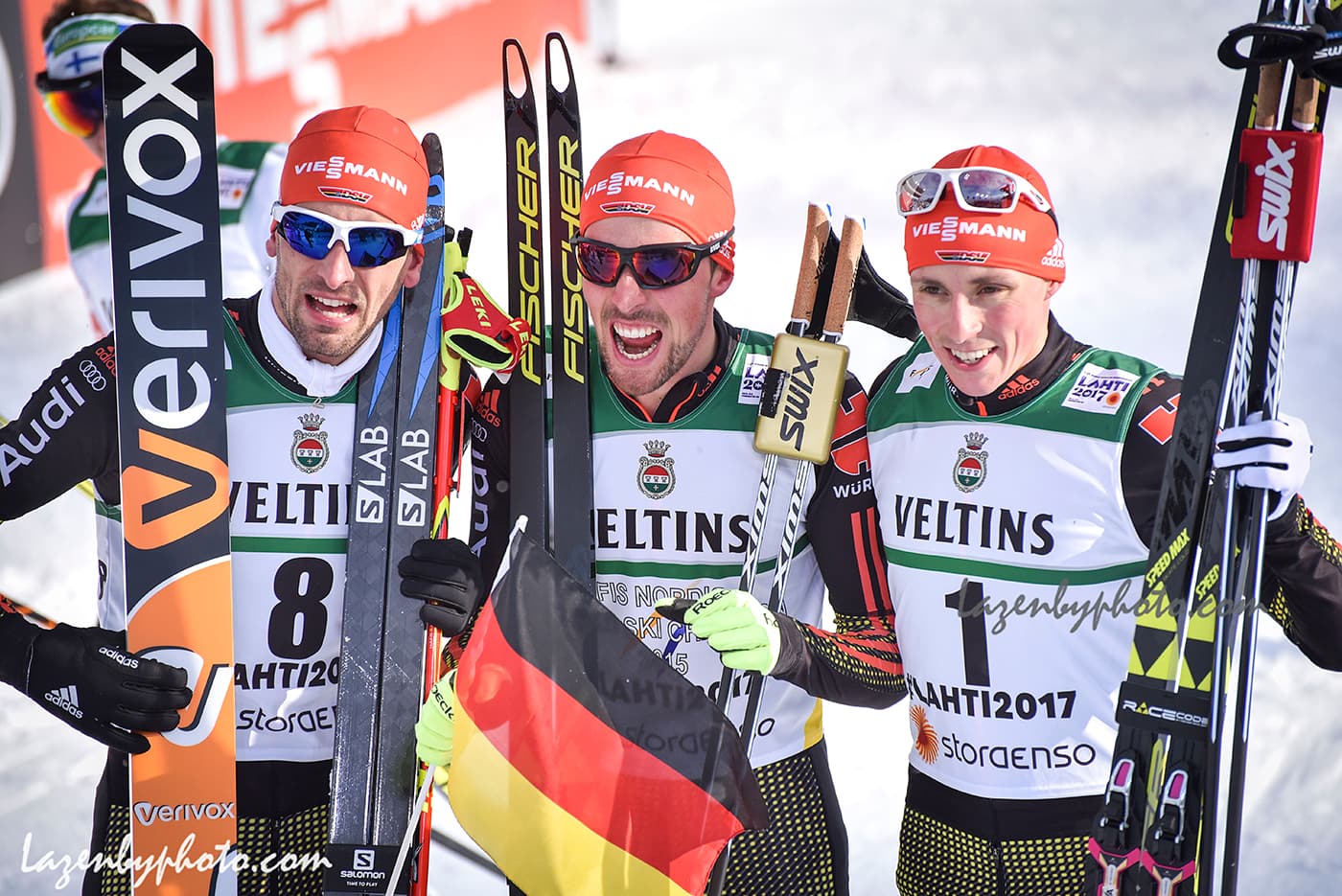
What are the physiological capacities of nordic-combined athletes and can laboratory tests predict performance capabilities on the World Cup? Those are the questions that a team of Norwegian researchers set out to answer by testing 12 competitors from eight different countries before a 2015 World Cup competition in Trondheim, Norway. The study, led by Vegard Rasdal of the Norwegian University of Science and Technology and the Norwegian Olympic Sports Center, was recently published in the...
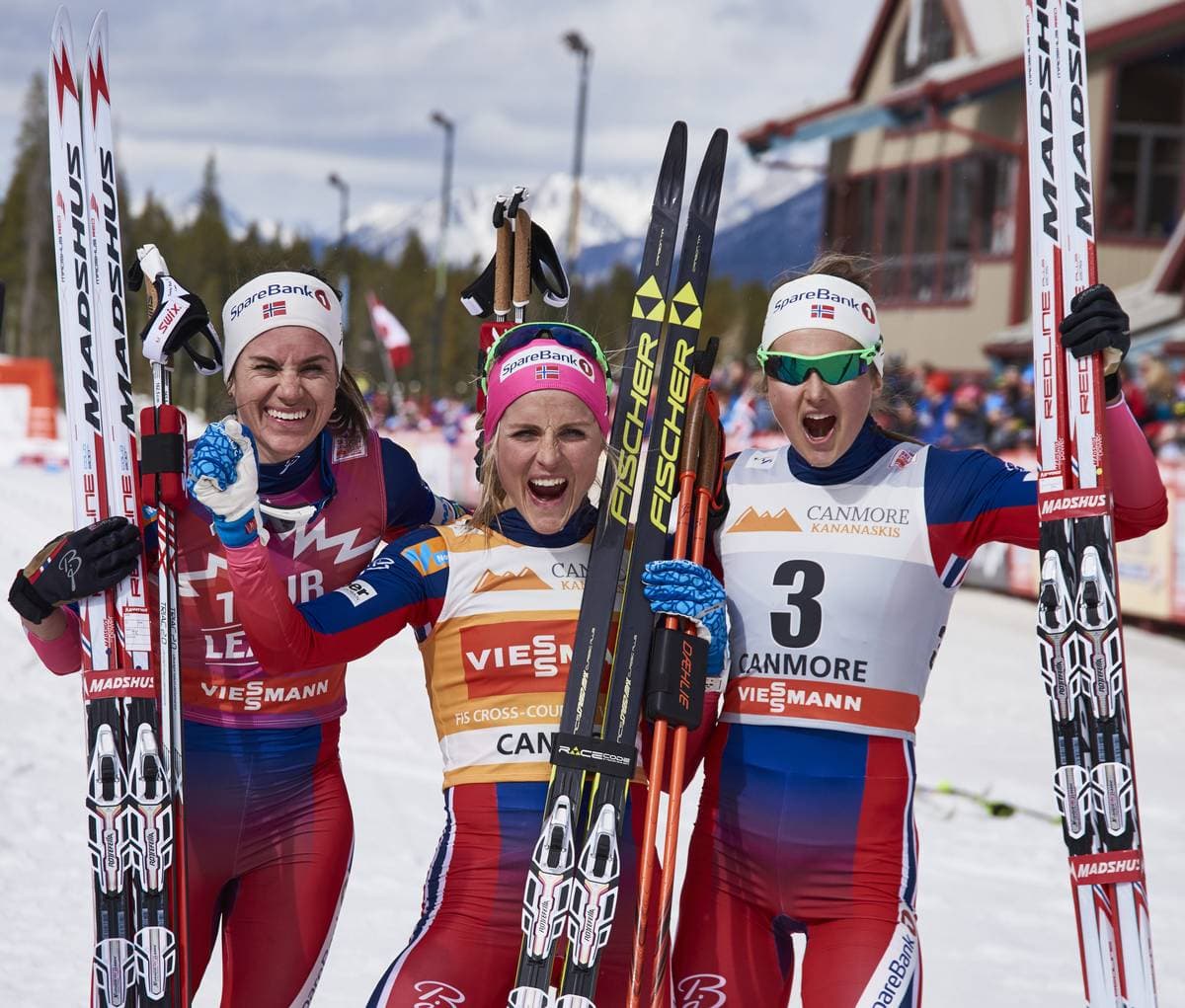
Want to know everything about the training and physiology of the top Norwegian women? A new paper tells all, using training diaries and test data from Marit Bjørgen, Therese Johaug, Heidi Weng, Ingvild Flugstad Østberg, Ragnhild Haga, and Maiken Caspersen Falla.
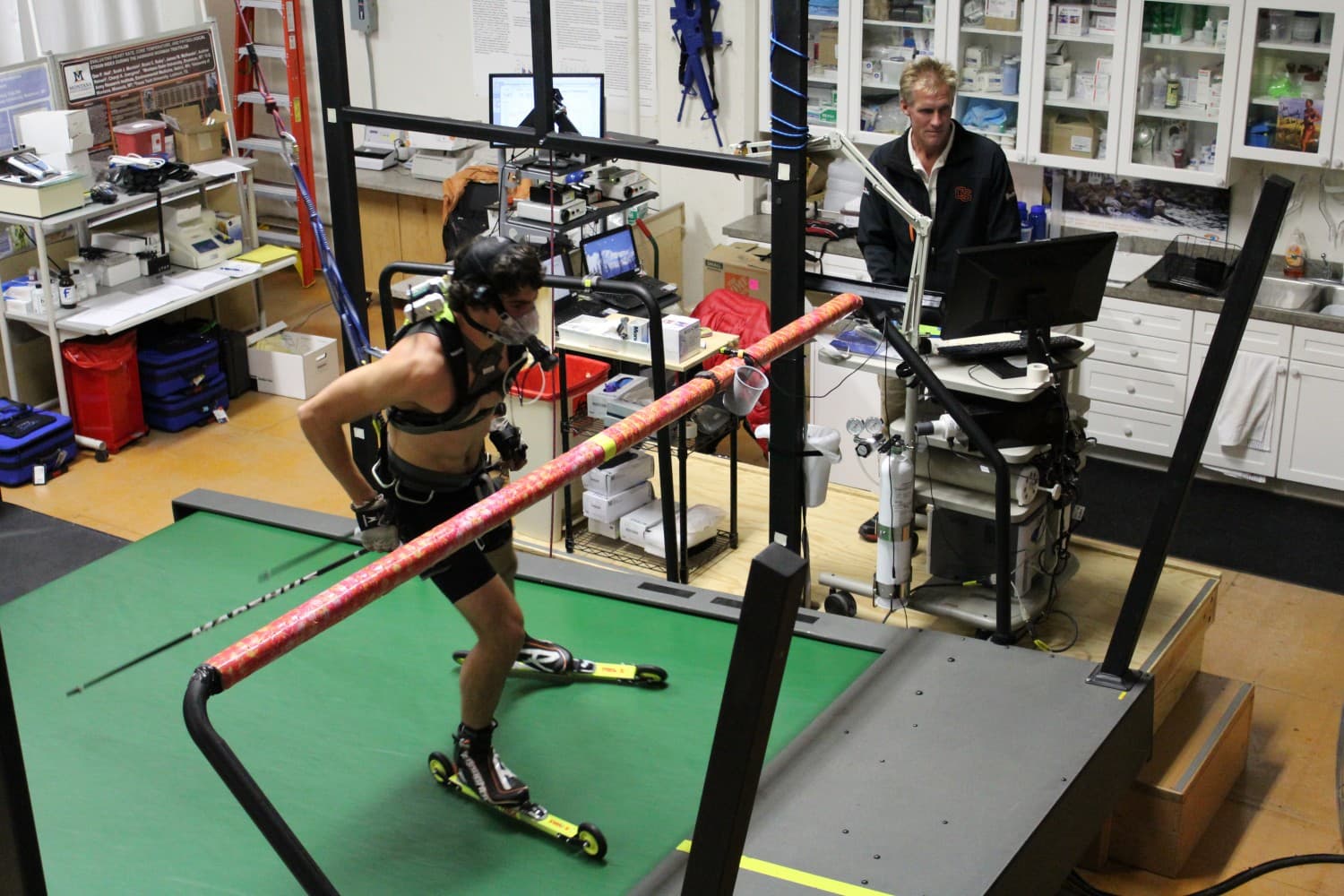
While "a high VO2max is never a disadvantage -- ever!” Dr. Dan Heil of Montana State University explains that honing in on upper-body strength may be the way to go. "If [an athlete is] interested in being able to track their training progress, maybe all they need to be able to track is changes in upper-body power."
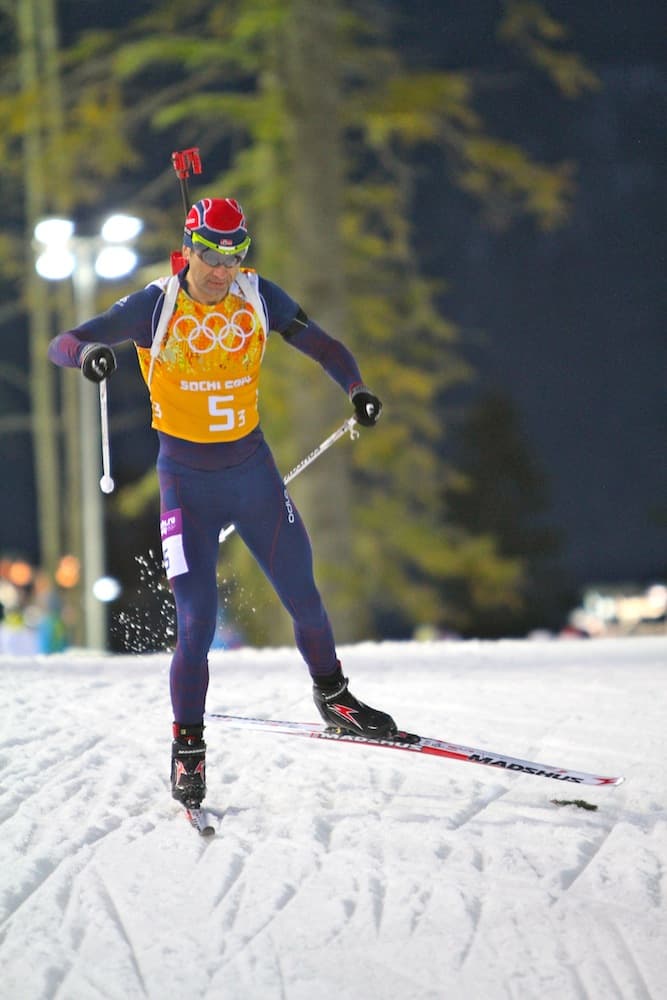
The Norwegian Olympic and Paralympic Committee and Confederation of Sports has authorized the release of VO2max test data by its nordic Olympians – in the name of science.
The latest research used Norwegian and French World Cup skiers to look at how VO2Max and heart rate variability fluctuate over the course of one or several seasons. Plus, a new kind of "neurodoping" is now possible, using electrical currents or magnetic fields to make your brain better at everything.
Scientists have identified a handful of genes that control roughly a quarter of the variation in how people respond to endurance training. What does that mean for athletes - will we now be able to predict who might win a gold medal? FasterSkier talked to one of the researchers, Dr. Carl Johan Sundberg, to find out.
Bjoern Daehlie spills the beans about interval training in the 1990s.