U.S. Olympic men’s cross-country ski team member Ben Ogden, second from left, speaks at a news conference Thursday, Feb. 5 at the competition venue in Tesero, Italy. From left, Ogden’s teammates are Zak Ketterson, JC Schoonmaker and Zanden McMullen. (Nathaniel Herz for FasterSkier)
PREDAZZO, ITALY — The Olympics have traditionally been known as a kind of sports melting pot, where competitors from different backgrounds and countries could share meals and trade pins at tight-knight athletes’ villages.
For winter sports, though, those social traditions ground to a halt at the COVID Olympics in China in 2022. And four years later, it turns out they may not be coming back, at least entirely.
At this year’s Games in Italy, to avoid the risk of illness, multiple cross-country ski teams are skipping the athletes’ village and staying at private hotels — with participants even restricting contact with their own family members and loved ones who have come to watch.
U.S. superstar Jessie Diggins, who’s retiring after this season, said at a news conference Thursday that her husband will be traveling to Italy to spectate — presenting what would otherwise be a precious chance for Diggins, who spends her winters thousands of miles from home racing in Europe, to spend time with him.
Canoodling is not in the cards, though.
The couple can spend unmasked time outdoors together, she said. But inside, “we are still going to be wearing masks,” she added.
“He wants to protect my health too,” Diggins said. “We’ve been waiting for 10 years to have the rest of our lives together all the time and not worrying about sickness. We can wait.”
Masked members of the U.S. women’s Olympic cross-country ski team pose for a photo Thursday, Feb. 5 after a news conference at their competition venue in Tesero, Italy. From left , Jessie Diggins, Hailey Swirbul, Sammy Smith, Julia Kern, Novie McCabe and Rosie Brennan. (Nathaniel Herz for FasterSkier)
The U.S. cross-country team is living outside the Olympic village in an off-site hotel during the entirety of the Games — a substantial financial investment intended to protect “health and wellness” and to keep tabs on who comes in and out of their living space, Kristen Bourne, one of the American coaches, said in a statement.
“Our top priority is making sure our athletes and staff stay healthy for the entirety of the Games,” Bourne said. “It’s also great to have all of our team together in one place.”
Some athletes have famously pushed through illness to deliver transcendent performances in other sports — like Michael Jordan’s legendary “flu game” in the NBA championships in 1997, when he scored 38 points after a miserable night of vomiting and diarrhea that he later blamed on tainted pizza.
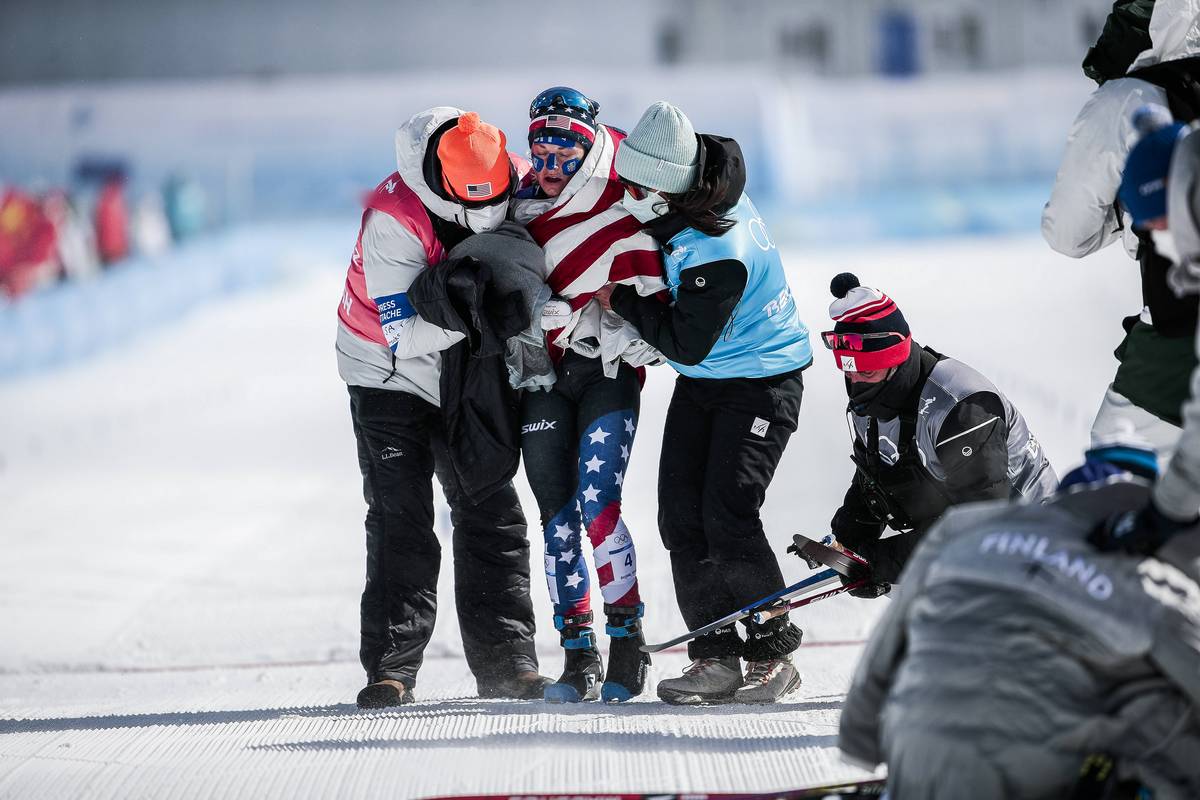
Diggins even won a silver medal in a long-distance race at the 2022 Games after what she said was her own case of food poisoning.
After collapsing at the finish line, Diggins is helped off the course following the Olympic 30 k skate, where she pushed through food poisoning to earn a silver medal. (Photo: NordicFocus)
But cross-country skiers are especially vigilant about respiratory viruses like COVID or the flu because of their sport’s dependence on their lungs. Infection could derail an athlete’s hopes for the full Olympics.
“You definitely get impacted more,” said Kendall Kramer, an American team member from Alaska. “Your body has to be definitely 110% to do the sport on any given day.”
The U.S. team, Kramer said in a phone interview Wednesday, has collectively agreed to form, in effect, an Olympic bubble among themselves.
“Worst-case scenario is someone’s a little more loosey goosey because they don’t have as much on the line. And then they would get some hard-hitters sick,” she said.
U.S. coaches Kristen Bourne and Matt Whitcomb wore masks at Thursday’s news conference. (Nathaniel Herz for FasterSkier)
That means athletes will miss out on some of the traditional social aspects of the Games, she acknowledged. But it’s also creating a tighter and more private living experience for the team, Ben Ogden, one of the U.S. men, said at a news conference.
“We’re pretty locked down trying not to get sick,” he said. “But that’s okay — because we have six, seven of our best friends inside the bubble.”
At least one other cross-country ski team is on a similar program. The Swedish tabloid Expressen reported that one of the team’s stars, Ebba Andersson, arrived Tuesday in Italy and will isolate from her teammate and boyfriend, Gustaf Berglund, for the first 48 hours after her arrival.
That’s the most likely window for her to start experiencing viral symptoms if she was exposed during travel, the team’s doctor told Expressen.
Ebba Andersson (SWE) skiing in Val di Fiemme, Italy, during the Individual Sprint of the Tour de Ski on the Olympic course. (Photo: Modica/NordicFocus)
“We have closed our hotel. We don’t want outsiders in, and we don’t want infections to come in,” the doctor, Rickard Noberius, told the newspaper. “So, it’s just us and the family who run the hotel — and they have been given strict restrictions as well.”
The risks of inadequate precautions have become painfully apparent for other athletes in Milan — specifically, the Finnish women’s hockey team. The squad has been hit by an outbreak of norovirus that’s either infected or forced the isolation of 13 players, said Lassi Kuisma, a reporter with Iltalehti, a Finnish newspaper, who’s covering the story from Milan.
Just eight players and two goalies were able to practice Thursday and the team had to postpone its first game, against Canada. Players are currently facing harsh scrutiny in the Finnish press because of a video filmed Sunday that they posted on Instagram of team members singing a Backstreet Boys song at karaoke at a restaurant outside the Olympic village.
“Nobody knows where the virus came from, of course,” Kuisma said in a phone interview. “But the team is putting itself under the microscope because they did a thing like that right before the tournament.”
A columnist at Kuisma’s newspaper contrasted the hockey players’ conduct with that of Finnish cross-country ski star Iivo Niskanen, who’s known for taking strict precautions about his health. Her headline, in a rough translation, said that the women’s hockey team “really screwed up — Iivo Niskanen would never do the same.”
As for the American skiers, it’s not just Diggins who will forgo time with a spouse during the Olympics.
Athlete Zak Ketterson said his time with his wife, who’s traveling to the Games from Minnesota, will also likely amount to outdoor hangs, or possibly with masks indoors.
While it can be difficult for everyone on a personal level to limit time with loved ones, Ketterson, like Diggins, said the restrictions totally make sense given how much athletes and the U.S. team have invested in preparing for the Olympics and booking their hotel.
“The Olympics are just a few weeks every four years,” he said. “So we can lock in a little bit.”
Help Support Our Olympic Coverage!
FasterSkier has our own Nat Herz on the ground at the Olympics, which is a significant financial lift for us. If you value the thoughtful work and access FasterSkier provides at championships like this one, please consider becoming a Voluntary Subscriber. Your support directly fuels our work to cover the people, places, and moments that make our sport special.
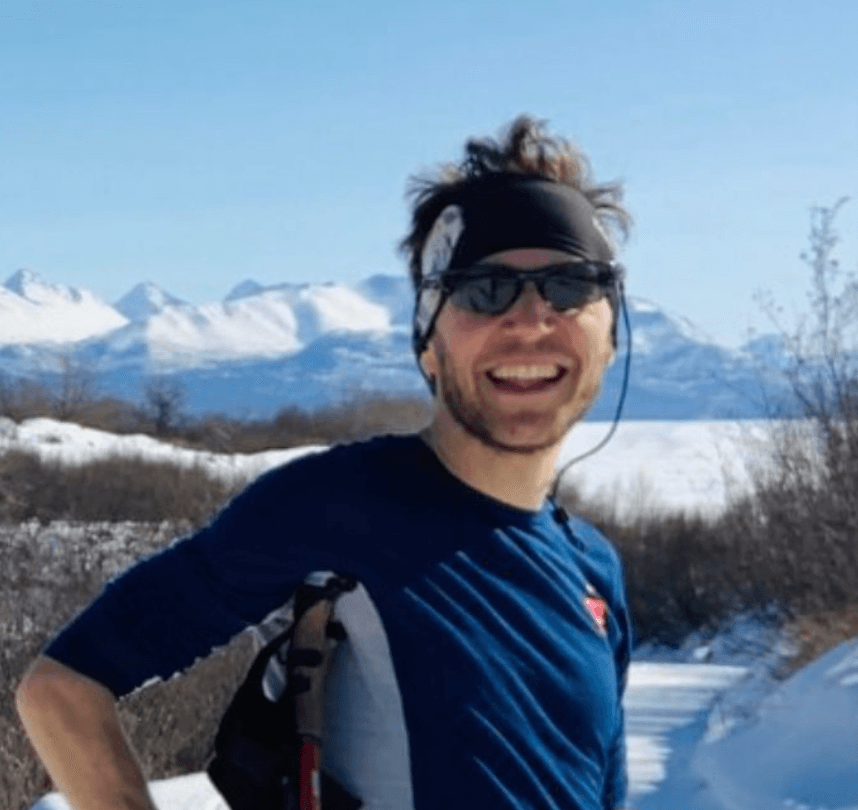
Nat Herz is an Alaska-based journalist who moonlights for FasterSkier as an occasional reporter and podcast host. He was FasterSkier's full-time reporter in 2010 and 2011.