HomeCategory

Training

There is really only one way to become a faster skier. Train. We will keep you inspired with training reports from the best around, as well as articles on specific workouts and suggestions on how to improve your own training. Use the links below to view articles in a specific sub-category, or srcoll down to view all Training articles.
A Review: Anders Ericsson and Robert Pool—“Peak”

This article was made possible through the generous support of our voluntary subscribers.  If you would like to see more articles like this one, please support FasterSkier with a voluntary subscription.   As I was re-reading “Peak” by Anders Ericsson and Robert Pool, the quoted paragraph caught my attention. (I most often read my books multiple times as with each reading I tend to find more learning.) “A 2012 study of tennis players looked at the success...

Things All High School Ski Racers Should Do in the Fall to Prep for Winter

For many high school cross-country ski racers, fall is filled with soccer practices or long cross-country runs. These sports build endurance, speed, and competitiveness—but skiing requires an additional set of skills. Transitioning from fall sports to ski season means making smart adjustments so athletes don’t just carry fitness into the winter but arrive with ski-specific readiness. We spoke with several EISA coaches about what young skiers should focus on as the leaves fall and the...

Training Zones

This article was made possible through the generous support of our voluntary subscribers.  If you would like to see more articles like this one, please support FasterSkier with a voluntary subscription.   About two years ago, I started asking myself if we could define training zones in a better way. Since then, I’ve looked at just about every model out there. From a metabolic perspective, the 3-zone models tries to anchor the zones on metabolic events.  But...

Rethinking Endurance Training: The Implications of Pontzer’s Constrained Energy Model

This article was made possible through the generous support of our voluntary subscribers.  If you would like to see more articles like this one, please support FasterSkier with a voluntary subscription.   Over the past few years, I’ve been studying the work of Herman Pontzer, PhD, whose research in human energetics challenges long-held paradigms of how endurance athletes adapt to training. For decades, endurance training theory was based on the principle of cumulative energy expenditure: train more,...

Does Lactate Threshold Even Exist?

This article was made possible through the generous support of our voluntary subscribers.  If you would like to see more articles like this one, please support FasterSkier with a voluntary subscription.   In the mid-90s, I began doing extensive lactate testing with the athletes I coached. For about ten years, I collected data before eventually abandoning the practice. Why? Because the results raised more questions than answers. Lactate values varied greatly from day to day, and the...

High Intensity Training

This article was made possible through the generous support of our voluntary subscribers.  If you would like to see more articles like this one, please support FasterSkier with a voluntary subscription.   We live in the information age where a tremendous amount of training information is available. When it comes to that information, much of it is biased, hyped, or stripped of context for each athlete’s individual physiology. New trends come and go, often pushed more by...

A Common Question

This article was made possible through the generous support of our voluntary subscribers.  If you would like to see more articles like this one, please support FasterSkier with a voluntary subscription.   “Starting out, it is difficult to train at L1–2. The unfit blows right through just shuffling on the flats. Any insight on how the rank novice can gain enough fitness to begin varying the level of effort?” Submitted by a FasterSkier reader, this is the...

If I Knew Then What I Think I Know Now — Or Has Training Really Changed That Much?

This article was made possible through the generous support of our voluntary subscribers.  If you would like to see more articles like this one, please support FasterSkier with a voluntary subscription.   I want to highlight a comparison between how we trained in the late 1970s and 80s, and what we now consider best practices. I’ve reviewed some old training logs to refresh my memory, though with time, those memories fade. I started unstructured training around the...

Training Philosophy: Building, Not Breaking Down

I regularly share my thoughts on training through various social media platforms. My goal is always to spark discussion and share insight from decades of experience and study. But what I’ve noticed over time is that people often read between the lines and make erroneous assumptions that simply aren’t accurate. Some suggest I don’t value high training volume. Others think I advocate only for easy training or that I always train in 2-3 day blocks....

Shifting Gears, Part I—Spinning

This article was made possible through the generous support of our voluntary subscribers.  If you would like to see more articles like this one, please support FasterSkier with a voluntary subscription.   It’s Tour de France season, when the eyes of the endurance sports world turn toward the Alps, the Pyrenees, and the Champs Élyssées. For three weeks in the middle of summer, a field of aerobically gifted, whippet-thin cyclists race endless miles across France, conquering knee-wobbling...

Jim Stray-Gundersen and the Evolution of BFR

This article was made possible through the generous support of our voluntary subscribers.  If you would like to see more articles like this one, please support FasterSkier with a voluntary subscription.  Since the mid-1980s, I’ve had the good fortune of working with the late Dr. Jim Stray-Gundersen on several projects. Our first conversation was at a training camp in Hatcher Pass, Alaska, either in October 1985 or 1986. We were discussing how we could better assess...

Zone 2 Training: the Latest Fad

This article was made possible through the generous support of our voluntary subscribers.  If you would like to see more articles like this one, please support FasterSkier with a voluntary subscription.   In recent years Zone 2 training has become the latest fad. It seems like everyone has a different definition or interpretation of the infamous Zone 2 training. When discussing training zones, it is important to understand a couple of key points. Training zones are typically...

Training: Is Continual Improvement Possible?

This article was made possible through the generous support of our voluntary subscribers.  If you would like to see more articles like this one, please support FasterSkier with a voluntary subscription.   Over the past three decades of coaching—monitoring dozens of athletes and using tools like Firstbeat analytics to track training load and recovery—I’ve developed my training theory that I call “continual improvement.” Some exercise physiologists, sport scientists, and coaches question whether this is even possible. Others...

Heart Rate Variability: A Valuable Tool in Monitoring Endurance Training

This article was made possible through the generous support of our voluntary subscribers.  If you would like to see more articles like this one, please support FasterSkier with a voluntary subscription.   I’ve been using Heart Rate Variability (HRV) to guide endurance training for nearly 20 years. As with every innovation, we do research and test it extensively before we introduce the use with athletes.  I was introduced to HRV by Tiina Hoffman the former skier and...

Three Measures of Endurance Performance

Over the past couple of decades coaching endurance athletes, I’ve noticed a consistent relationship between three key performance metrics. Whether this relationship is push-pull or more synergistic is still up for debate—but one thing is clear: when these three improve, so does overall performance. These metrics are: Power or velocity at aerobic threshold (AT) Average power during a 6-minute max effort Peak power during a 10-second sprint When we pair this external data with internal...

Progressive Overload and Ramp Rate in Endurance Training

This article was made possible through the generous support of our voluntary subscribers.  If you want more coverage like this, please support FasterSkier with a voluntary subscription.     For much of the last 30 years, the late Dr Jim Stray-Gundersen and I have been studying how we quantify training load. In the mid-90s, we met Dr. Erik Bannister at the American College of Sports Medicine (ACSM) Conference in Orlando, Florida. Dr Bannister developed the Training Impulse...

Developing Young Athletes: What’s the Hurry?

This article was made possible through the generous support of our voluntary subscribers.  If you want more coverage like this, please support FasterSkier with a voluntary subscription.   In many endurance sports in the U.S.—including cross-country skiing—there seems to be a desire to identify standout U16 athletes as future stars. USSS, team programs, and coaches often respond by elevating their competition opportunities and increasing their training beyond what their physiological development can realistically support. In my early...

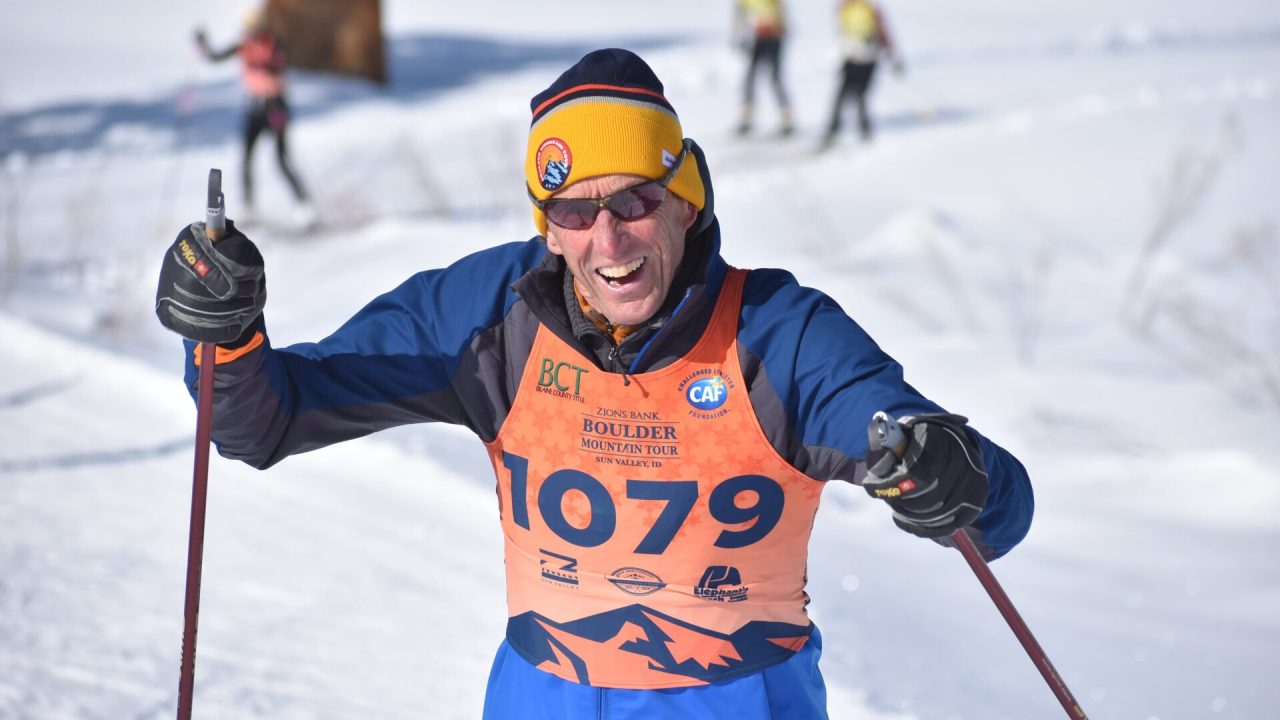
I’m Losing My Edge – The Plight of the Aging Athlete

This article was made possible through the generous support of our voluntary subscribers.  If you would like to see more collegiate coverage like this, please support FasterSkier with a voluntary subscription.   I’m losing my edge The kids are coming up from behind I’m losing my edge LCD Soundsystem   I knew it was coming. I have the conversation all the time with patients in the physical therapy clinic: “The older we get, the less our bodies...

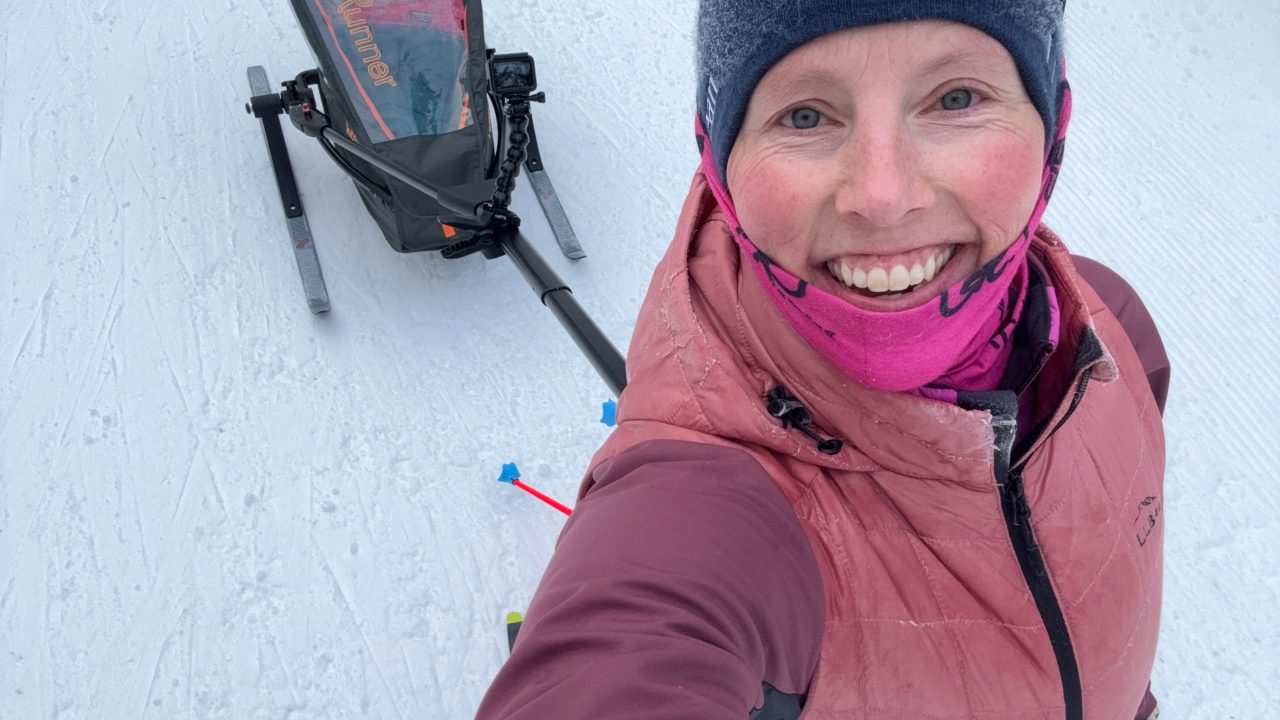
A Skiing Mom’s Gear Guide: Kikkan Randall’s Essentials for Skiing with a Baby

Skiing with kids can feel like, well, a daunting junk show. The gear explosion, the logistics puzzle, and the constant battle to keep everyone warm and happy can make you wonder if it’s worth stepping foot out of the door. As a mom of two, I live this reality, staring down the barrel of a long winter filled with wrestling squirmy little bodies into layers upon layers of wool, fleece, and down. Can kid-pulling ever...

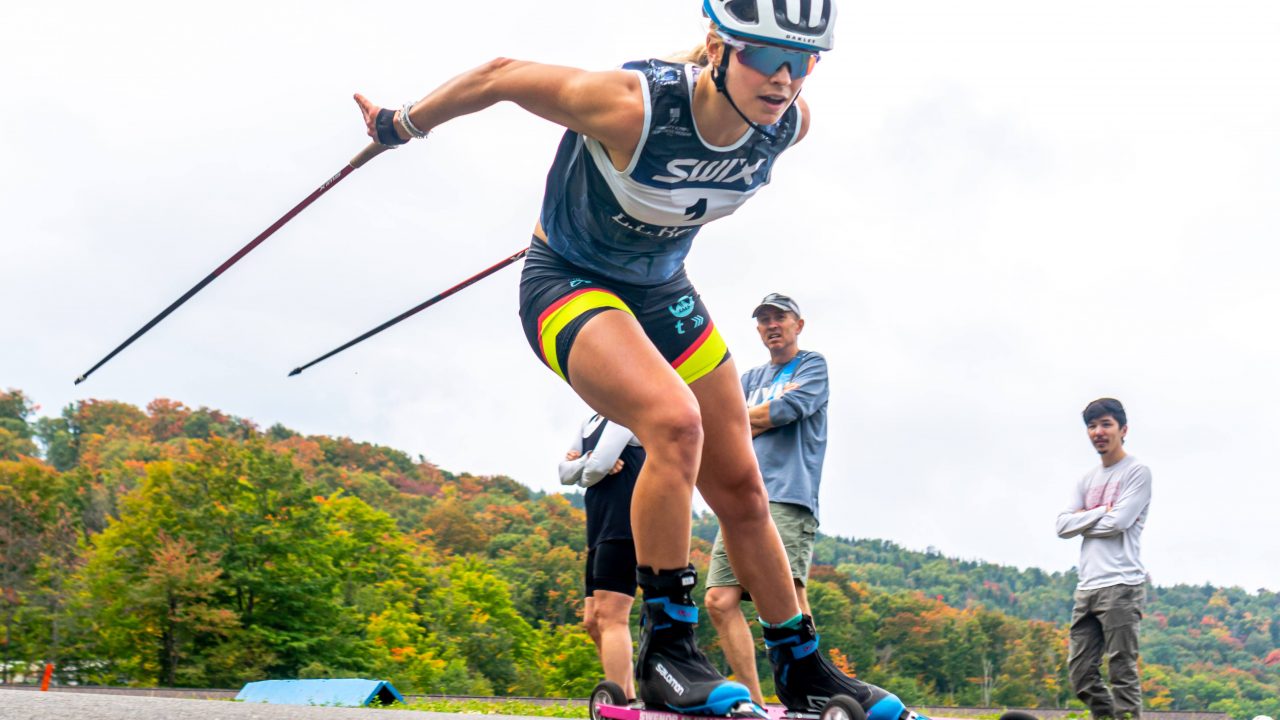
Smooth Transitions: Moving Wisely From Pavement To Snow

Our bodies are very good at adapting to change, as long as it comes slowly enough. That first frosty day in autumn always feels brutally cold. Take the same temperature in March and we’re in shorts and short sleeves. Our response to exercise load is no different. Taken as a slow and progressive build up, our bodies will respond with increased strength and capacity to stay on the right side of the load vs tolerance...