HomeCategory

Feature

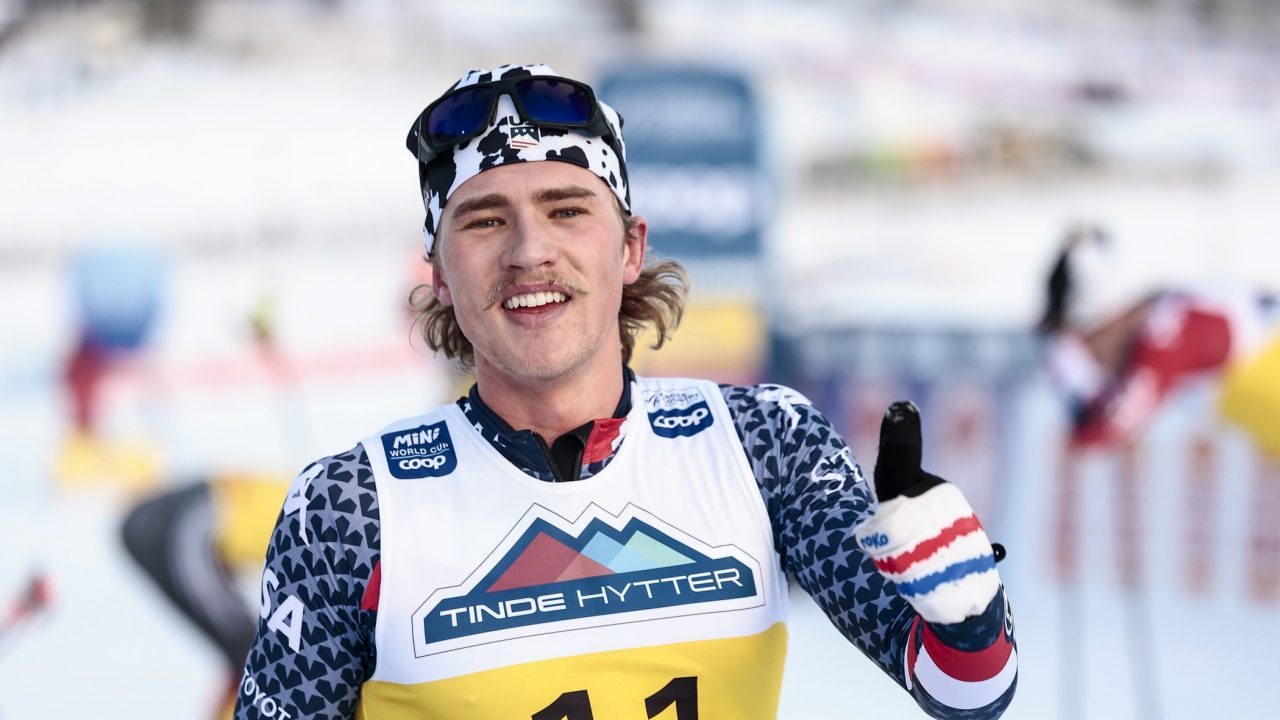
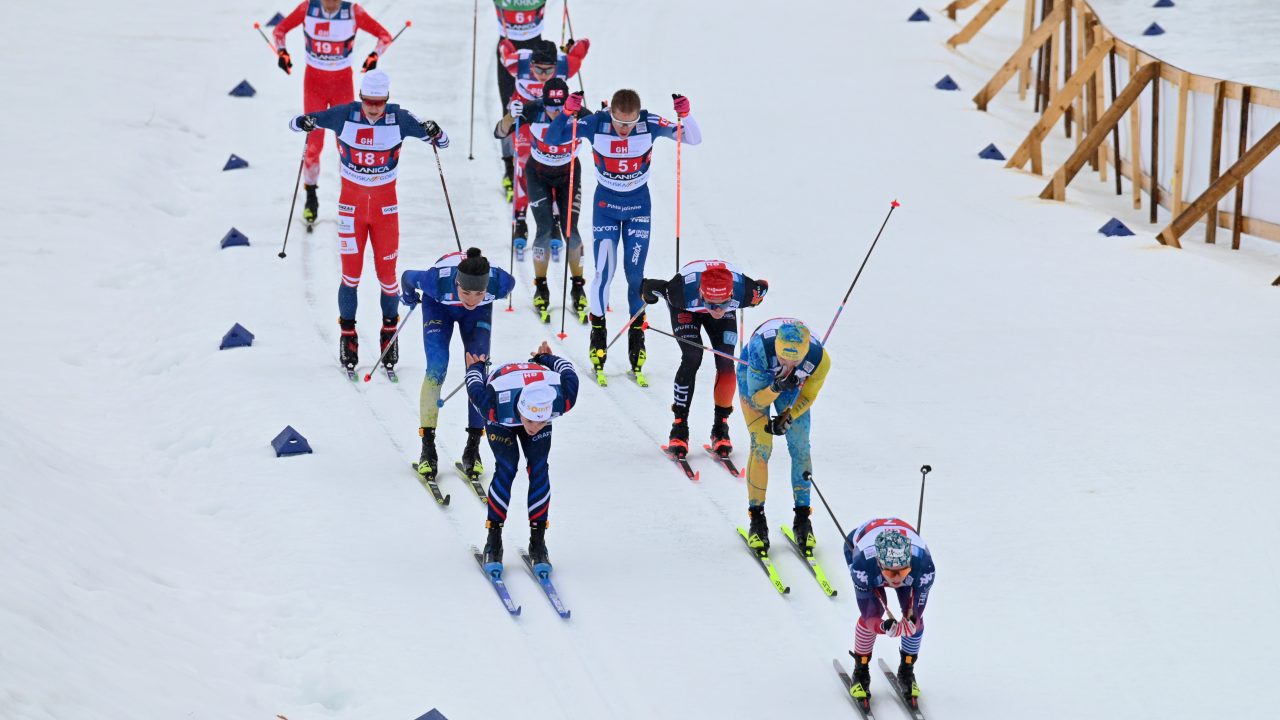
Corners and Confidence: Kate Oldham’s Steady Rise to the U.S. Ski Team

At the World Championships last winter, a slushy, rutted corner near the finish line became a proving ground for precision and poise. The turn was taking down skiers all week — an icy edge here, a soft patch there — the kind of technical trap that can shake even the most seasoned racers. On the U.S. team’s final course preview, Jessie Diggins, Julia Kern, Rosie Brennan, and newcomer Kate Oldham took turns testing different lines....

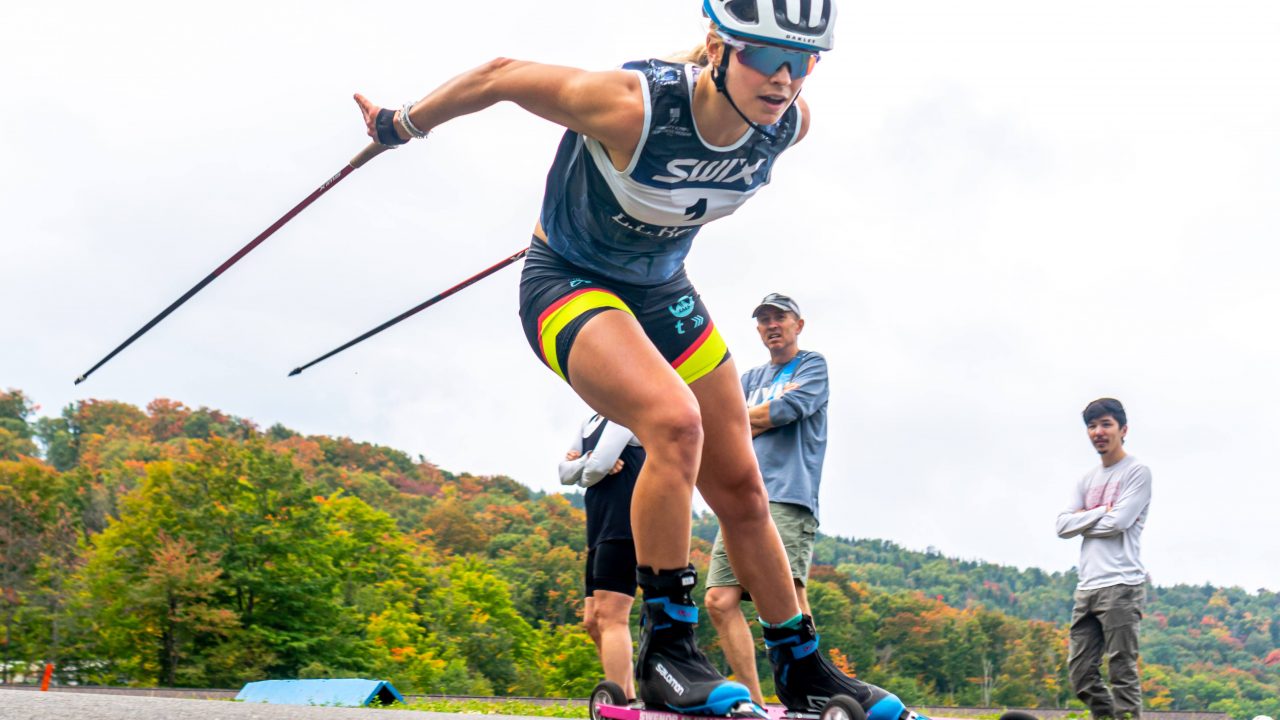
Why “Training Volume Is the Biggest Predictor of Success” — and Why That’s Only Half True

We read it again and again in studies, articles, and coaching posts: “Training volume is the best predictor of performance.” It’s one of the most consistent findings in exercise science, appearing across endurance sports for decades, and in national training systems. But the statement is often repeated without understanding what it really means, or more importantly what it doesn’t. One reason this line gets repeated so often is that “train more” is an easy message...

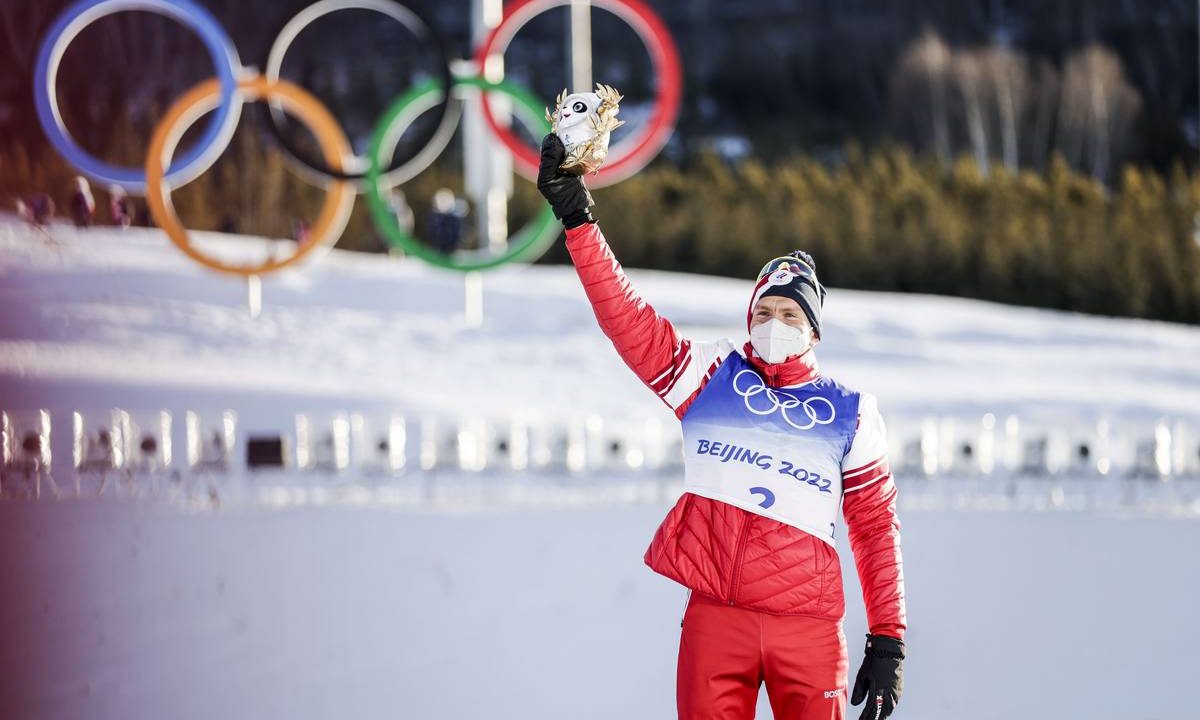
FIS Ruling: Russia is Out

It’s a funny time we live in . . . one in which many of us struggle with harboring multiple opinions on particular topics (especially political ones). That’s me when it comes to whether or not Russian and Belarusian athletes should be allowed to enter the Olympic Games . . . multiple opinions make sense, and no easy or straightforward decisions seem likely. One thing’s for sure: when it comes to those decisions, someone’s going...

Balancing Books, Labs, and Laps: Inside Newly Named U.S. Ski Team Member Lucas Wilmot’s Routine

When Lucas Wilmot sits down after morning intervals, there’s no long nap or lazy lunch ahead. “This fall, it’s kind of all back-to-back—training in the morning, then eating, then class, then trying to eat and train again, and then do homework,” he says. “It’s tight.” That understatement is classic Wilmot: composed, analytical, quietly focused. At just 19, the Jackson, Wyoming-raised skier is already juggling NCAA racing for the University of Utah, kinesiology labs that might...

From Olympian to Coach to Mentor: Patrick Weaver, the Quiet Architect of UVM’s Ski Culture

The first time you meet Patrick Weaver, you might not realize you’re talking to one of the most quietly influential coaches in American skiing. There’s no bravado, no self-promotion. Just an easy Vermont calm — a man who measures his words the same way his athletes measure their training: carefully, purposefully, with feel. On a fall morning, the UVM Nordic team threads through the mist at the Craftsbury Outdoor Center, the quiet hum of rollerskis...

Cross Country Skiing Participation: What Does the Data Suggest?

This article was made possible through the generous support of our voluntary subscribers.  If you would like to see more articles like this one, please support FasterSkier with a voluntary subscription.   I’ve been curious for a long time about participation trends in cross-country skiing and what direction the data might point. Ideally, I’d like to see longitudinal data over 10-20 years, but that kind of dataset doesn’t appear to be publicly available. Still, there are several...

Finding Flow: Gus Schumacher on Training Smarter, Staying Healthy, and Loving the Process

This World Cup coverage is made possible through the generous support of Marty and Kathy Hall and A Hall Mark of Excellence Award.  To learn more about A Hall Mark of Excellence Award or to learn how you can support FasterSkier’s coverage please contact info@fasterskier.com. When Gus Schumacher talks about training these days, he sounds more like a craftsman than a workhorse. There’s less emphasis on grinding and more on rhythm — on knowing when...

“Being a Champion of the World, Not a World Champion”: Inside the Norwegian Model of Lifelong Sport with Trond Nystad

When Trond Nystad talks about Norway’s athletic success, he doesn’t start with medals or podiums. He begins with children — specifically, children who love to play. “The model of Norwegian sport,” he says, “is to have as many kids as possible, for as long as possible, and try to make them as good as possible.” That simple mantra, lived out in ski clubs from Tromsø to Trondheim, is what he believes keeps Norway at the...

The Devon Kershaw Show: We’re back, baby, with Benny, for the Olympic season

Guys, the Olympic season is upon us. Athletes are getting into the sharp end of the dry-land season and waiting for snow to fall; Devon and Nat have awakened from summer hibernation and have launched the new season of the podcast. This year’s will be like nothing you’ve seen before, except with similar amounts of questionable audio production, perfunctory efforts to avoid using profanity and unkept promises of future guests. In all seriousness, we’re excited...

Honoring the Architects of the Birkie Trail: Statues Unveiled for Sven Wiik and Marty Hall

On October 4, amid a crisp autumn morning at the trailhead near Cable, Wisconsin, around a hundred skiers, family members, and supporters gathered to witness the unveiling of two life-size bronze statues celebrating the trail designers of the American Birkebeiner, Sven Wiik and Marty Hall. Half a century after their work laid the foundation of what has grown into the United States’ premier cross-country ski marathon, the Birkie community paused to remember the minds behind...

Pitfalls of Junior Athlete Training: A Case Study in Overload and Misguided Intensity

Over the years, I have often been asked to review training programs for junior athletes. Most of the time, these requests come when an athlete is underperforming, showing signs of overtraining, or failing to make anticipated steps in competition. Unfortunately, these situations occur far more often than we might think. In fact, I have reviewed at least a dozen similar cases in recent years, where athletes share the same training and performance profile: high motivation,...

Tariffs, Currency, and Cross-Country Skiing: How Global Economics Could Shape the 2025–26 Ski Season

When snow begins to dust the Rockies and frost settles into New England, North America’s ski community usually shifts into high gear with optimism. But as the 2025–26 ski season approaches—one poised to crescendo with the Winter Olympics in Milan-Cortina—a double economic hit is reshaping the industry: U.S. tariffs on European sporting goods and a weakened U.S. dollar against the euro. Together, they are raising prices, complicating supply chains, and threatening accessibility in a sport...

A Review: Anders Ericsson and Robert Pool—“Peak”

This article was made possible through the generous support of our voluntary subscribers.  If you would like to see more articles like this one, please support FasterSkier with a voluntary subscription.   As I was re-reading “Peak” by Anders Ericsson and Robert Pool, the quoted paragraph caught my attention. (I most often read my books multiple times as with each reading I tend to find more learning.) “A 2012 study of tennis players looked at the success...

Things All High School Ski Racers Should Do in the Fall to Prep for Winter

For many high school cross-country ski racers, fall is filled with soccer practices or long cross-country runs. These sports build endurance, speed, and competitiveness—but skiing requires an additional set of skills. Transitioning from fall sports to ski season means making smart adjustments so athletes don’t just carry fitness into the winter but arrive with ski-specific readiness. We spoke with several EISA coaches about what young skiers should focus on as the leaves fall and the...

Training Zones

This article was made possible through the generous support of our voluntary subscribers.  If you would like to see more articles like this one, please support FasterSkier with a voluntary subscription.   About two years ago, I started asking myself if we could define training zones in a better way. Since then, I’ve looked at just about every model out there. From a metabolic perspective, the 3-zone models tries to anchor the zones on metabolic events.  But...

Rethinking Endurance Training: The Implications of Pontzer’s Constrained Energy Model

This article was made possible through the generous support of our voluntary subscribers.  If you would like to see more articles like this one, please support FasterSkier with a voluntary subscription.   Over the past few years, I’ve been studying the work of Herman Pontzer, PhD, whose research in human energetics challenges long-held paradigms of how endurance athletes adapt to training. For decades, endurance training theory was based on the principle of cumulative energy expenditure: train more,...

Does Lactate Threshold Even Exist?

This article was made possible through the generous support of our voluntary subscribers.  If you would like to see more articles like this one, please support FasterSkier with a voluntary subscription.   In the mid-90s, I began doing extensive lactate testing with the athletes I coached. For about ten years, I collected data before eventually abandoning the practice. Why? Because the results raised more questions than answers. Lactate values varied greatly from day to day, and the...

High Intensity Training

This article was made possible through the generous support of our voluntary subscribers.  If you would like to see more articles like this one, please support FasterSkier with a voluntary subscription.   We live in the information age where a tremendous amount of training information is available. When it comes to that information, much of it is biased, hyped, or stripped of context for each athlete’s individual physiology. New trends come and go, often pushed more by...

A Common Question

This article was made possible through the generous support of our voluntary subscribers.  If you would like to see more articles like this one, please support FasterSkier with a voluntary subscription.   “Starting out, it is difficult to train at L1–2. The unfit blows right through just shuffling on the flats. Any insight on how the rank novice can gain enough fitness to begin varying the level of effort?” Submitted by a FasterSkier reader, this is the...

If I Knew Then What I Think I Know Now — Or Has Training Really Changed That Much?

This article was made possible through the generous support of our voluntary subscribers.  If you would like to see more articles like this one, please support FasterSkier with a voluntary subscription.   I want to highlight a comparison between how we trained in the late 1970s and 80s, and what we now consider best practices. I’ve reviewed some old training logs to refresh my memory, though with time, those memories fade. I started unstructured training around the...